
Plants
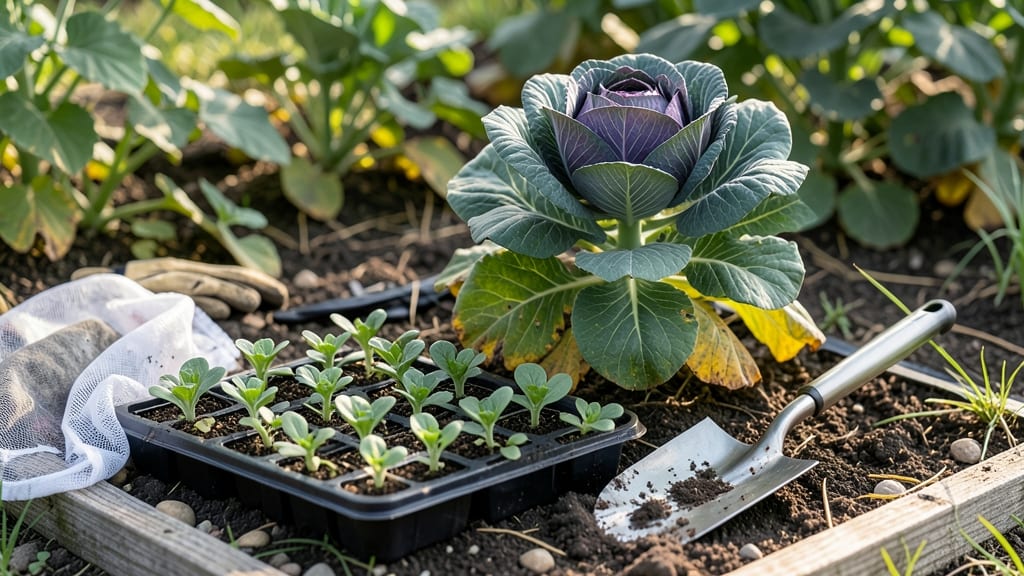
To plant cabbage in Arkansas, aim for early spring (March-April) or late summer (August-September) when soil temps hit 50°F and frost risks fade.
Arkansas gardeners know timing is everything—plant cabbage too early, and you risk frost damage; too late, and bolting steals your harvest. Mastering the perfect window ensures crisp, healthy heads all season long.
Your USDA zone (7a-8b) dictates the exact dates, but most gardeners in North Arkansas should start seeds indoors by February 15, while those in South Arkansas can wait until March 1.
Below, I break down the best planting months by zone, how to prep soil for Arkansas’ humidity, and the two key tricks to prevent bolting in our hot summers.
Arkansas cabbage planting calendar by Zone (7a-8a) for maximum yield
Timing your cabbage planting in Arkansas' USDA zones 7a-8a means the difference between a bountiful harvest and wasted effort. The state's humid summers and cool winters create two ideal planting windows: early spring and late summer.
Missing these windows risks bolting (premature flowering) or frost damage, so let's break down the perfect schedule for your zone.
In Zone 7a, your last frost date typically falls around March 15, while Zone 8a gardeners can push planting slightly later, around March 25. For fall harvests, aim to plant 8-10 weeks before your first frost (usually November 15 in both zones).
Understanding these dates helps you avoid the heat stress that triggers bolting during Arkansas' sweltering summers.
For spring planting, I recommend starting with transplants in late February (Zone 7a) or early March (Zone 8a). This gives your cabbage seedlings a head start before Arkansas' unpredictable late frosts.
Direct sowing can begin as early as March 1 in Zone 7a, but cover young plants with frost cloth if nights dip below 30°F.
My mid-spring succession planting strategy involves sowing every 2 weeks from March 15 through April 1 (Zone 7a) or March 25 through April 10 (Zone 8a). This staggered approach ensures a continuous harvest from May through June, avoiding the heat stress that causes bolting.
Choose heat-tolerant varieties like 'Cavalo' or 'Golden Acre' for these later plantings.
Arkansas' summer heat makes late-season planting tricky, but with the right approach, you can still succeed. Begin late summer plantings in August by sowing directly or transplanting young plants. The key is to avoid high soil temperatures—aim for ≤75°F—and use shade cloth (30-50% coverage) to protect seedlings.
I've had great success with succession plantings every 3 weeks from September through October for a fall harvest.
One common mistake I see is planting cabbage too late in summer, hoping for a fall crop.
How to prevent cabbage bolting in Arkansas' hot summers
Arkansas' summer heat can turn your cabbage plants into bitter, flowering stalks faster than you can say "harvest time." Bolting happens when plants sense heat stress and rush to produce seeds, ruining your crisp heads.
The key to prevention lies in shade management, succession planting, and choosing the right varieties for our USDA zones 7a-8b.
First, understand that cabbage thrives in cooler weather. When daytime temps climb above 75°F for extended periods, your plants will bolt within 2-3 weeks. In Arkansas, this typically happens by late June, making summer planting a risky game unless you take precautions.
The good news? With the right strategies, you can extend your growing season by 4-6 weeks.
⚠️ callout-warning
🌡️ Arkansas-Specific Bolting Warning
In Arkansas, soil temps above 80°F trigger bolting. Use a soil thermometer to monitor—if it hits 78°F+, take action immediately. North Arkansas (Zone 7a) bolts 2 weeks earlier than South Arkansas (Zone 8b) due to faster warming soils.
Pro Tip: Plant heat-tolerant varieties like 'Golden Acre' or 'Cavalo' in summer—they delay bolting by 10-14 days compared to standard types.
One of the most effective bolting prevention methods is using shade cloth. Install 30-50% shade fabric over your cabbage plants once temps exceed 85°F. This reduces leaf temperature by 10-15°F, buying you critical time.
For Arkansas summers, I recommend 30% shade cloth from June through August—it filters enough light while keeping plants cool. Secure it 3 feet above plants to allow airflow and prevent fungal issues.
Succession planting is another game-changer for Arkansas gardeners. Instead of planting all your cabbage at once, stagger plantings every 2-3 weeks from March through May. This ensures you always have young, cool-season plants reaching maturity before summer heat peaks.
For fall crops, start seeds indoors in July and transplant outdoors in early August—these plants will mature before bolting sets in.
Watering strategy plays a crucial role too. Deep, infrequent watering (1-2 inches per week) encourages deep root growth, which helps plants tolerate heat better. Avoid overhead watering in the evening—this promotes fungal diseases that stress plants and trigger bolting.
Instead, water early morning at the soil base. In Arkansas' humidity, mulch with 2-3 inches of straw to retain moisture and keep roots cool.
Finally, choose your varieties wisely. Heat-tolerant cabbage types like 'Cavalo' and 'Golden Acre' handle Arkansas summers better than standard green cabbage. For late summer plantings, consider Asian greens like bok choy or tatsoi—they bolt later and thrive in 75-85°F temps.
If you're committed to growing traditional cabbage, opt for early-maturing varieties (50-60 days to harvest) to beat the heat.