
Plants
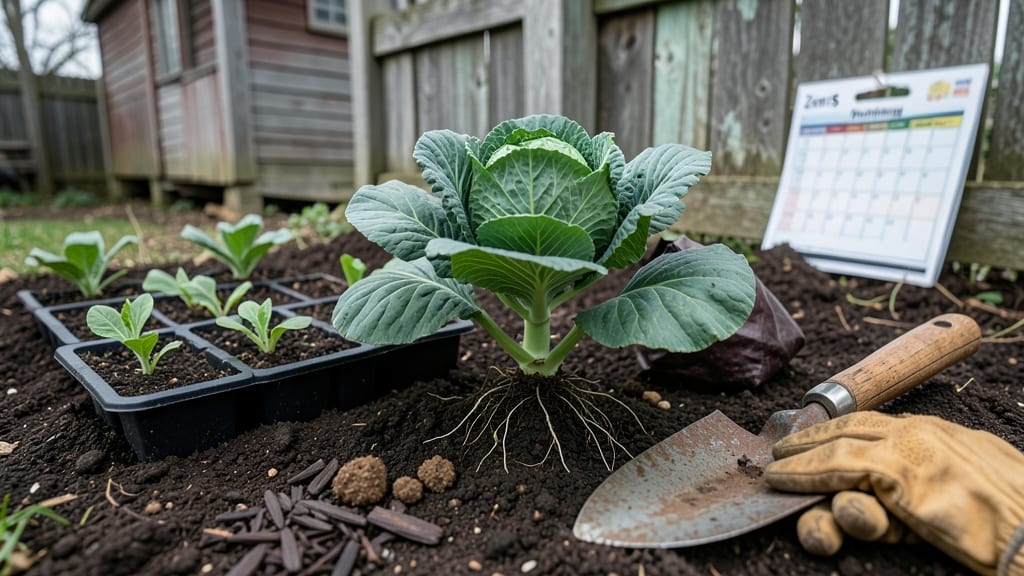
To plant cabbage in Zone 5 at the perfect time means catching two windows: early spring or late summer, when the weather stays cool enough to prevent bolting.
Cabbage thrives in cool weather, but timing your Zone 5 planting just right can mean the difference between a bountiful harvest and bolting plants—here’s the exact schedule you need.
Most gardeners in Zone 5 focus on spring planting, but late summer is equally critical for a fall harvest. The key is planting 4-6 weeks before the last frost in spring or 10-12 weeks before the first frost in fall.
In this guide, you’ll learn the precise frost-free dates for your area, how to prepare soil for optimal growth, and which cabbage varieties perform best in Zone 5’s shorter growing season.
Optimal cabbage planting times in Zone 5: spring vs. fall timelines
Cabbage (Brassica oleracea) thrives in cool temperatures between 45°F and 75°F, making Zone 5 an ideal location—but timing is everything. Plant too early, and seedlings may bolt from cold stress; too late, and summer heat triggers premature flowering.
The key lies in two distinct windows: early spring and late summer, each with its own deadlines tied to your last frost date (typically mid-May in Zone 5) and first frost (mid-October).
For spring cabbage, the goal is to harvest before summer heat sets in, while fall cabbage must mature before winter frost arrives. Both strategies require precise calculations: soil temperature (ideal: 40°F–50°F at planting), daylength sensitivity, and variety selection.
Let’s break down the exact planting timelines and transplant deadlines to avoid common pitfalls like bolting or winter kill.
🌱 Comparison Table: Spring vs. Fall Planting in Zone 5
Your last frost date is the anchor for both strategies. For spring cabbage, start seeds indoors 6–8 weeks before your last frost (around February 1), then transplant seedlings into the garden by April 15.
Use cold-hardy varieties like ‘Golden Acre’ or ‘Early Jersey Wakefield’, which tolerate light frosts and mature in 50–60 days. If you miss this window, opt for late-summer varieties with bolting resistance, such as ‘Red Express’.
For fall cabbage, the math shifts to first frost. Plant seeds directly outdoors by July 15 for a September–October harvest, or start seeds indoors in late June and transplant by August 1.
Choose slow-bolting varieties like ‘January King’ or ‘Winterbor’, which handle cool nights and mature in 70–80 days. Avoid planting after August 20, or your cabbage may not reach harvest before frost.
Soil temperature is non-negotiable. Use a soil thermometer to confirm 40°F–50°F for spring planting—cold soil delays germination. For fall, wait until soil cools to 50°F–60°F after summer’s heat.
Amend your soil with compost to improve drainage, as waterlogged roots invite rot. Mulch with straw to stabilize soil temps and retain moisture, especially during head formation.
Bolting is the #1 enemy of Zone 5 cabbage growers. To prevent it, avoid planting when daylength exceeds 14 hours (typically late May–July). For spring crops, use shade cloth if temperatures rise above 75°F.
For fall crops, prioritize slow-bolting varieties and plant in partial shade if your microclimate runs hot. If you notice flower stalks forming, harvest immediately or remove the plant to save energy for others.
Transplanting is a make-or-break step. Harden off seedlings for 7–10 days before moving them outdoors, and plant on a cloudy day
How to adjust cabbage planting for Zone 5 Microclimates
Zone 5 gardeners face unique challenges like late frosts, urban heat islands, and high-altitude cooling—all of which can throw off your cabbage planting schedule. The good news? With a few simple adjustments, you can extend your growing season and protect tender seedlings from unpredictable weather.
Whether you're gardening in a city rooftop, mountain valley, or sunny backyard, these microclimate tips will help you maximize your harvest.
Microclimates create pockets of warmth or coolness that can shift your planting window by 2-4 weeks. For example, a south-facing wall might let you plant cabbage 2 weeks earlier in spring, while a shady urban alley could delay your fall harvest by 3 weeks.
Understanding these variations is key to avoiding bolting or winter kill.
- 1. Urban Gardens: Start seeds indoors 6-8 weeks before last frost due to heat retention. Use lightweight row covers to protect seedlings from late spring winds.
- 2. High-Altitude Areas: Plant 2-3 weeks earlier than standard schedules—cooler temps slow growth. Choose cold-hardy varieties like 'January King' for fall.
- 3. Protected Microclimates: Extend fall harvest by 4 weeks using low tunnels or black plastic mulch. Remove covers during daytime warmth to prevent overheating.
- 4. Shade Adjustments: In partial shade, plant dwarf varieties like 'Golden Acre' and increase spacing to 18 inches apart for better air circulation.
- 5. Row Covers: Use floating row covers to warm soil 2-3°F faster in spring or shield plants from early fall frosts. Remove covers when temps reach 75°F to avoid heat stress.
For urban gardeners, container planting is a game-changer. Choose 5-gallon pots with drainage holes and fill them with a soil-less mix to regulate moisture. Place pots near south-facing windows or under grow lights to supplement sunlight. Remember, containers heat up faster—water them daily in summer to prevent bolting.
If you're gardening at high altitudes, like in the Rocky Mountains, your growing season may be shorter. Opt for fast-maturing varieties like 'Early Jersey Wakefield' (55-day harvest) and start seeds indoors in February.
Harden off seedlings for 2 weeks before transplanting, and use black plastic mulch to warm the soil.
To extend your fall harvest, try succession planting every 2 weeks starting in mid-July. This ensures a steady supply of cabbage before the first frost.
Pair your plants with bush beans or radishes to improve soil structure and deter pests. Always harvest outer leaves first to keep plants productive until winter.
With these microclimate adjustments, you’ll turn Zone 5’s challenges into opportunities for a longer, more reliable harvest. Whether you're battling city heat or mountain chills, your cabbage will thrive with the right timing and protection. Happy gardening! 🥬