
Plants
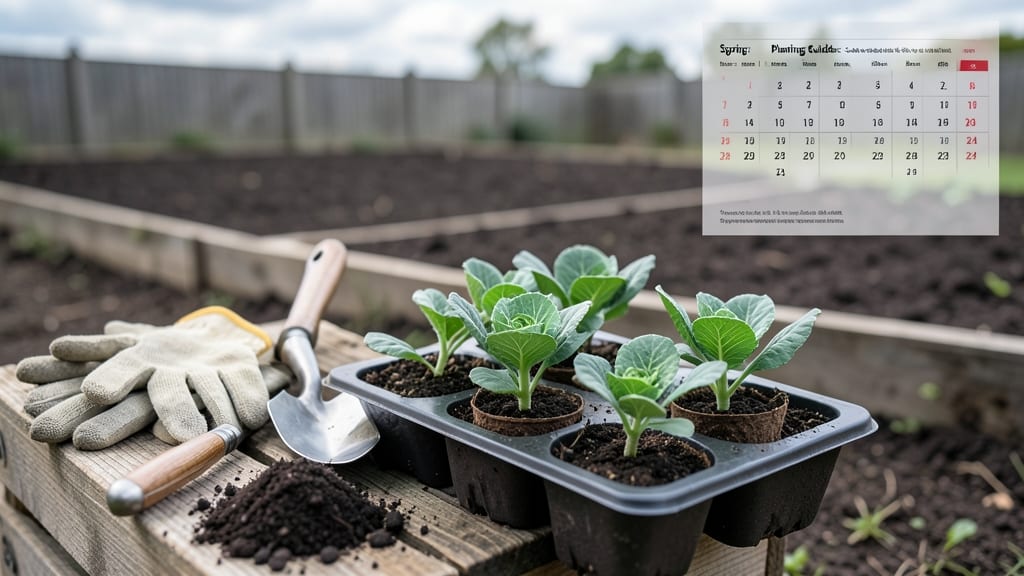
Planting cabbage in Oklahoma at the right time means the difference between sweet, crisp heads and bitter, bolted greens 🥬 — and the best windows are March-April for spring or August-September for fall.
Oklahoma’s unpredictable weather can turn your cabbage into bitter, bolted greens if you plant at the wrong time—but timing it right means crisp, sweet heads all season long.
Spring plantings in USDA zones 6b-8a need to beat the heat, while fall crops must avoid early frosts. Whether you’re in the panhandle or southeastern Oklahoma, the last frost date is your anchor.
Below, I break down the exact months for each zone, how to stretch your harvest with succession planting, and the one trick that keeps cabbage from bolting in Oklahoma’s summer heat.
Best planting months for cabbage in Oklahoma’s climate zones
Oklahoma’s USDA zones 6b-7b create a unique challenge for cabbage growers—too early, and frost zaps your seedlings; too late, and heat stress triggers bolting. The key is planting during cool shoulder seasons when temperatures stay between 50°F and 75°F.
For most of Oklahoma, this means two prime windows: early spring and late summer.
Spring planting gives you summer harvests, while fall planting extends your season into cool October nights. Southern Oklahoma (zone 7b) can push these windows slightly later, but northern areas (zone 6b) must act faster to avoid early heat waves.
Let’s break down the exact months and strategies for each zone to maximize your crisp, sweet cabbage heads.
📌 PRO TIP: Always check Oklahoma State University Extension’s frost date maps—last frost ranges from March 15 (south) to April 1 (north), and first frost hits November 15 (south) to October 30 (north).
| Planting Window | USDA Zone | Ideal Months | Key Strategy | Harvest Window |
|---|---|---|---|---|
| Spring Planting | 6b (North OK) | March 1 - April 15 | Start seeds indoors 4-6 weeks before last frost; transplant after soil warms to 50°F | June - July |
| Spring Planting | 7b (South OK) | March 15 - April 30 | Direct sow after March 15; use shade cloth if temps exceed 80°F | June - August |
| Fall Planting | 6b (North OK) | August 1 - September 1 | Plant 8-10 weeks before first frost; choose cold-hardy varieties like 'Wisconsin Winter' | October - November |
| Fall Planting | 7b (South OK) | August 15 - September 15 | Extend season with row covers; harvest before hard frosts (28°F) | October - December |
| Succession Planting | Both Zones | Every 2-3 weeks (April-July) | Stagger plantings to avoid bolting; harvest continuously | June - October |
For zone 6b gardeners in northern Oklahoma (think Oklahoma City or Tulsa), spring planting starts earlier—aim for March 1 if you’re using cold frames or row covers.
The goal is to get seeds in the ground 4-6 weeks before your last frost date, which typically lands around April 1. Use black plastic mulch to warm the soil faster and deter weeds.
Southern Oklahoma’s zone 7b (like Lawton or Altus) can afford to plant 2-3 weeks later, but watch for heat spikes in late April. If daytime temps creep above 80°F, your cabbage will bolt. Here, shade cloth (30-50%) becomes your best friend during those critical head-forming weeks.
Fall planting is where Oklahoma shines—cool nights and warm days create perfect conditions. Start seeds indoors in mid-July and transplant August 1-15 for a November harvest. In southern zones, you can even push this to September 15 for December harvests, though heads may be smaller.
Always choose cold-hardy varieties like 'Wisconsin Winter' or 'January King' for fall.
⚠️ COMMON MISTAKE: Planting too late in spring or too early in fall. Cabbage needs 60-80 days to mature—if you miss the window, you’ll end up with bitter, loose heads or premature bolting. Use Oklahoma State University’s planting calendar as your guide.
Pro tip: Test your soil pH before planting—cabbage thrives in 6.0-7.0 pH. Oklahoma’s clay-heavy soils often need lime or sulfur adjustments. Amend beds with compost and well-rotted manure to improve drainage, which is critical during Oklahoma’s unpredictable summer rains.
Finally, don’t overlook succession planting. Instead of one big spring planting, sow small batches every 2-3 weeks from April through July. This ensures a continuous harvest and reduces the risk of
How to avoid cabbage bolting in Oklahoma’s heat
Oklahoma’s summer heat can send cabbage plants into a bolting frenzy, turning your crisp heads into bitter, seed-filled stalks. The key to avoiding this is controlling soil temperatures and using shade during critical growth stages.
Cabbage bolts when exposed to consistent temperatures above 80°F for more than a few days. In Oklahoma’s USDA zones 6b-8a, this happens quickly after Memorial Day. My trick? Plant shade cloth over seedlings once soil temps hit 75°F.
⚠️ callout-warning ⚠️
Cabbage bolts when soil temps exceed 78°F for 3+ days. Oklahoma’s April-May soil temps often spike here—monitor with a soil thermometer (under $15).
Action: Use 30-50% shade cloth during 10 AM-4 PM if temps climb above 75°F. Remove cloth when temps drop below 70°F at night.
For succession planting, I stagger my Oklahoma cabbage plantings every 2 weeks from March 15 to April 15. This ensures a continuous harvest before summer heat triggers bolting. Start with fast-maturing varieties like 'Golden Acre' (58 days) for early plantings.
Another Oklahoma-specific trick is mulching with straw to keep soil temps stable. I apply a 3-inch layer after transplanting, which can reduce soil temp swings by 10°F+. This works especially well in southern Oklahoma where heat arrives earlier.
If you miss the spring window, fall planting is your next best bet. Aim for August 15-September 15 to harvest before Oklahoma’s first frost. Use row covers at night in September to protect from unexpected cold snaps.
Remember: Consistent moisture is just as important as temperature control. Let cabbage wilt between waterings, and you’ll trigger bolting even in cooler weather. Water deeply morning-only to prevent fungal issues.