
Plants
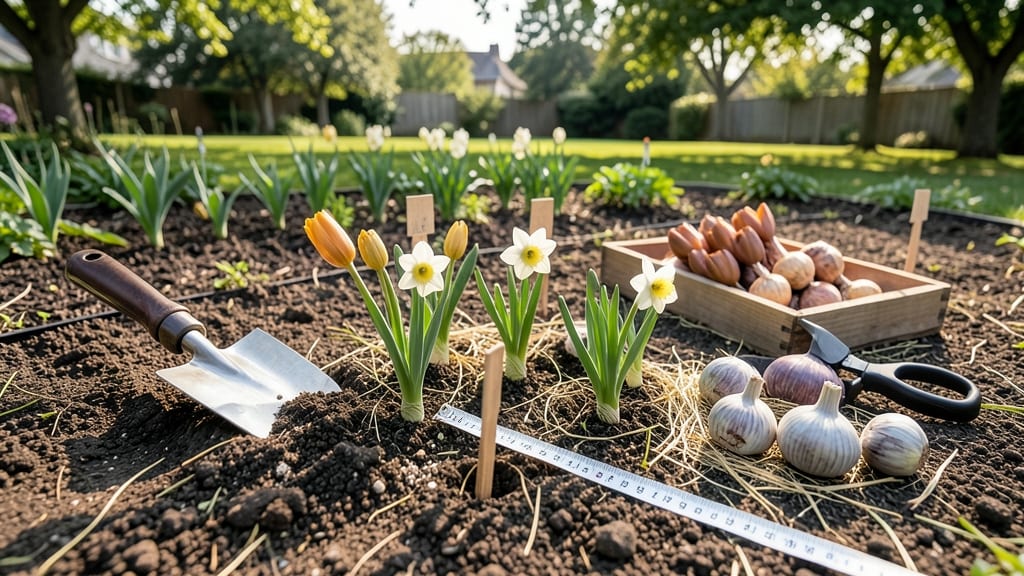
Planting bulbs in Zone 6 at the right time means the difference between a garden bursting with color and a missed opportunity.
Timing is everything when planting bulbs in Zone 6—plant too early, and they’ll rot in cold soil; too late, and they’ll miss the growing season. Here’s exactly when to plant for vibrant blooms next spring.
Most gardeners in Zone 6 know fall is the prime window for bulbs like tulips and daffodils, but the exact month depends on your sub-zone and local frost patterns.
We’ll break down the ideal planting schedule, including adjustments for 6a vs. 6b, so you can avoid common mistakes that waste money and effort.
You’ll also discover how to prep your soil, choose the right bulb depth, and care for them post-planting—simple steps that guarantee stronger roots and showier flowers. Let’s get those bulbs in the ground at the perfect moment.
Best months to plant bulbs in Zone 6 for spring blooms
Zone 6 gardeners know that timing bulbs perfectly means the difference between vibrant spring blooms and wasted effort. The ideal planting window depends on bulb type—most spring-flowering varieties need a cold dormancy period, while others thrive when planted in early spring.
Let’s break down the exact months to plant for zero frost risk and maximum success.
For fall-planted bulbs like tulips and daffodils, aim to get them in the ground 6-8 weeks before the first hard frost. In Zone 6, this typically means mid-October to early November.
Planting too early risks rot in wet soil, while waiting too long means bulbs won’t establish roots before winter. Spring-planted bulbs, like crocus and alliums, go in 4-6 weeks before your last frost date (usually March to early April).
Zone 6’s average last frost date falls between April 15 and May 1, but microclimates can shift this by 1-2 weeks. Use a soil thermometer to confirm—bulbs should go in when soil temps are below 60°F but above freezing. This ensures roots grow without overheating.
Here’s a quick reference for Zone 6 bulb planting by type and season:
| Bulb Type | Planting Season | Ideal Month | Depth | Spacing | Notes |
|---|---|---|---|---|---|
| Tulips | Fall | October–November | 6–8" | 4–6" apart | Needs cold dormancy; plant early |
| Daffodils | Fall | October–November | 6–8" | 3–6" apart | Deer-resistant; great for borders |
| Hyacinths | Fall | October–November | 6–8" | 4–6" apart | Fragrant blooms; plant in clusters |
| Crocus | Fall or Spring | October or March–April | 3–4" | 2–3" apart | Early bloomer; great for lawns |
| Alliums | Fall or Spring | October or March–April | 6–8" | 6–8" apart | Dramatic purple blooms; drought-tolerant |
If you’re in northern Zone 6 (6a), where frosts arrive earlier, prioritize October planting to avoid late-season rains. For southern Zone 6 (6b), you might extend planting into early November. Spring planting is riskier but works for crocus and alliums, which tolerate warmer soil better.
Pro tip: Mark your calendar for the Almanac’s frost predictions—they’re more accurate than general averages.
For example, if your area’s last frost is April 20, plant spring bulbs by mid-March to give roots time to establish. Fall bulbs should be in the ground by October 15 at the latest.
Don’t forget to prep your soil before planting. Amend with compost or sand if your soil drains poorly—waterlogged bulbs rot. Add a
How to adjust planting dates based on Zone 6 microclimates
Your Zone 6 garden might feel like one big climate zone, but microclimates—small areas with unique conditions—can shift your planting window by 2–4 weeks. A south-facing slope warms faster than a shady corner, while clay soil stays colder longer.
These differences mean the standard October–November window for fall bulbs might not fit your entire yard. Understanding your yard’s microclimates helps you time planting perfectly for each spot.
Start by identifying your yard’s microclimates. Note areas with full sun exposure (6+ hours), partial shade, or deep shade. Check soil drainage—wet spots freeze slower, while sandy soil warms up faster.
Even a 5-foot elevation change can create a 1–2 week difference in frost timing. Use these observations to adjust your planting schedule for each area.
Here’s how to fine-tune your planting dates based on your yard’s specific conditions:
- 1 Sun Exposure: Plant bulbs in full-sun areas 1–2 weeks earlier (e.g., south-facing slopes) than shady spots. Shade delays soil warming by 10–15°F, pushing planting back by 1–2 weeks.
- 2 Soil Drainage: Use a soil thermometer to check when soil reaches 60°F at 4 inches deep. Clay soil may need 2 extra weeks to warm, while sandy soil can be planted 1 week early.
- 3 Elevation Changes: Higher spots (e.g., hills) freeze 1–2 weeks earlier than lower areas. Plant bulbs in elevated areas 2 weeks earlier than valley spots to compensate.
- 4 Local Frost Records: Check your local frost history (not just Zone 6 averages). If your area has a later-than-average last frost, delay planting by 1 week for spring bulbs.
- 5 Wind Exposure: Windy areas dry out faster. Plant bulbs in sheltered spots 1 week earlier to ensure they establish roots before winter. Mulch heavily to retain moisture.
For example, if your yard has a south-facing border and a north-facing corner, plant tulips in the sunny border in early October, but wait until mid-October for the shady corner.
Use a soil thermometer to confirm readiness—aim for 50–60°F soil temps at planting depth. This precision ensures bulbs like daffodils and crocus get the perfect start.
Don’t forget to adjust for spring planting too! If you’re planting summer-flowering bulbs like dahlias in March, wait until soil temps hit 60°F consistently—usually 2–3 weeks later in shady or wet areas. A little extra effort now means healthier bulbs and bigger blooms next season.
Pro tip: Mark your yard’s microclimates with stakes or flags so you remember where to plant early or late. Over time, you’ll develop a custom planting calendar tailored to your yard’s unique conditions—giving you consistent success every year. 🌱