
Plants
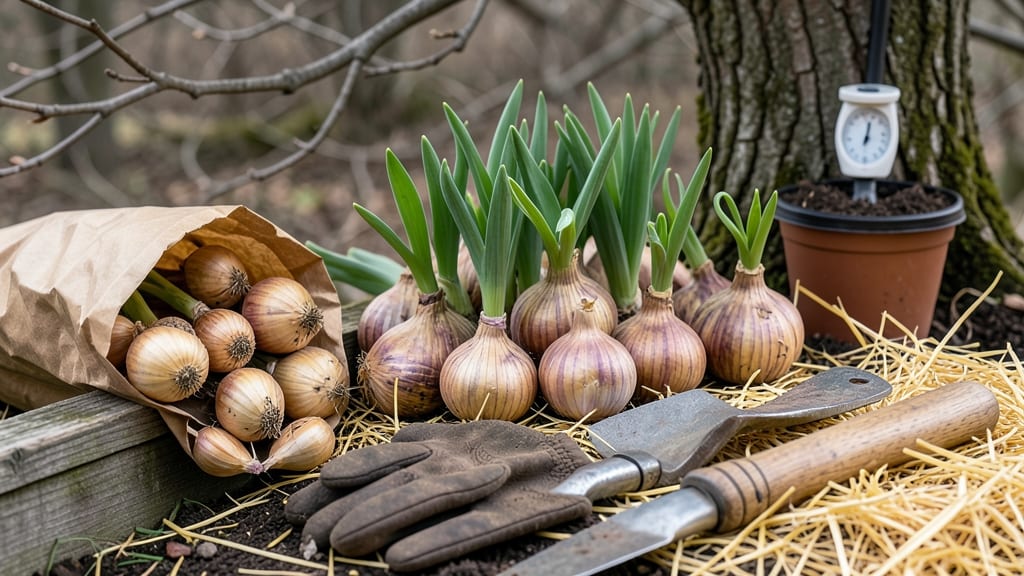
To plant tulips in Illinois for vibrant blooms next spring, aim for October to November or early March—timing that beats the frost and sets bulbs up for survival.
Planting tulips at the wrong time in Illinois can mean wasted effort—or worse, no blooms next spring. But timing it perfectly guarantees vibrant flowers year after year, even in harsh winters.
In USDA Zones 5-6, where most of Illinois falls, the ground freezes by mid-October in the north and late October in the south. That means you’ve got just a few weeks to get bulbs in before winter shuts them down.
Below, I’ll break down the exact months for your region, how to adjust for urban heat islands, and the one mistake that kills more tulips than frost ever does.
Illinois tulip planting calendar by USDA Zone (exact months for success)
Timing your tulip planting in Illinois is everything—get it wrong, and you risk rotting bulbs or no spring blooms. The key lies in understanding your USDA Zone and soil temperature thresholds.
Northern Illinois (Zone 5) has earlier frost than southern Illinois (Zone 6), so your planting window shifts accordingly. Let’s break it down by region to ensure your tulips thrive.
For Zone 5 (Northern IL), including Chicago and areas like DeKalb, aim to plant bulbs 4-6 weeks before the first hard frost. This typically lands in mid-October. Southern Illinois (Zone 6), like Carbondale or Springfield, can wait until late October to early November.
Both regions can also plant in early spring (March-April), but fall planting yields stronger roots and better blooms.
Soil temperature is your non-negotiable guide. Tulip bulbs need the ground to be below 60°F (15°C) but not frozen. Use a soil thermometer to check—plant when temps hover around 50-55°F (10-13°C).
In Zone 5, this usually happens by mid-October, while Zone 6 can wait until early November. Waiting too long risks bulbs sprouting before winter, which kills them.
Here’s your Illinois tulip planting calendar by zone, including frost dates and soil conditions to watch:
| USDA Zone | Planting Window | Soil Temp Threshold | First Frost Date | Key Notes |
|---|---|---|---|---|
| Zone 5 (Northern IL) | Mid-October to early November | 50-55°F (10-13°C) | Mid-October | Plant by October 15 for best results. Use 3-4 inches of mulch after planting. |
| Zone 6 (Central/Southern IL) | Late October to early November | 50-55°F (10-13°C) | Late October | Can plant until November 1. Soil stays warmer longer, reducing frost risk. |
| Both Zones (Spring Planting) | Early March to mid-April | 40-50°F (4-10°C) | N/A (after last frost) | Less ideal but works. Water deeply weekly until blooms appear. |
If you’re in Zone 5, don’t wait past October 15—soil cools quickly, and bulbs may not root before frost. In Zone 6, you have a bit more flexibility, but avoid planting after November 1.
Bulbs planted too late may sprout in spring, only to be killed by freeze-thaw cycles. Use a frost calendar for your specific county to fine-tune timing.
Microclimates matter too. Urban areas like Chicago can be 2-3°F colder than rural spots due to heat island effect at night. If you’re in a windy or exposed location, plant 2 weeks earlier to account for faster cooling.
Conversely, sheltered gardens near buildings or fences can delay planting by 1 week.
Spring planting is an option, but it’s second-best. Plant in early March once soil temps hit 40°F (4°C) and stay above freezing. Water consistently to encourage root growth before summer dormancy. Avoid planting after mid-April, as bulbs need 6-8 weeks to establish roots before summer heat arrives.
Pro tip: Mark your planting dates on a calendar and set reminders. Illinois weather is unpredictable—unseasonably warm falls can trick you into planting too late. Always have a backup plan, like storing bulbs in a cool, dark place (like a fridge) until conditions are right.
Finally, don’t skip soil prep. Tulips thrive in well-draining soil with a pH of 6.0-7.0. Amend heavy clay soil with compost or sand to prevent rot. Add a slow-release fertilizer (like 5-10-10) at planting time for an extra boost.
Critical factors that determine your perfect tulip planting date
Timing your tulip planting in Illinois isn’t just about picking a month—it’s about understanding soil temperature, frost dates, and how your local microclimate affects bulb dormancy.
In Zone 5 (northern IL), you’ve got a shorter window than Zone 6 (central/southern IL), where the ground stays workable a week longer.
Most gardeners focus on first frost dates, but the real magic happens when soil temps hit 50°F (10°C)—that’s when bulbs start rooting. Plant too early, and roots grow but freeze before winter.
Plant too late, and bulbs won’t establish before dormancy kicks in. The sweet spot? 4-6 weeks before ground freeze, usually late October in the north and early November in the south.
- 🌡️ Soil Temperature: Wait until soil reaches 50°F (10°C)—use a soil thermometer to check. Northern IL hits this by mid-October; southern IL by late October.
- ❄️ Frost Dates: Plant 4-6 weeks before the first hard frost (Zone 5: mid-October; Zone 6: early November). Check Almanac frost maps for your county.
- 🌱 Bulb Dormancy: Tulips need 12-16 weeks of cold (32-40°F) to bloom. Plant too late, and they’ll skip flowering. Use chilling charts for your variety.
- 🏙️ Urban vs. Rural: Urban areas (like Chicago) stay 5°F warmer than rural zones. Adjust planting 1-2 weeks later if you’re in the city.
- 🔄 Late-Season Adjustments: If soil stays too wet or too dry, delay planting. Aim for crumbly, moist soil—not mud or dust.
Illinois’ microclimates throw a wrench into timing. For example, Chicago’s urban heat island can delay frost by 10-14 days compared to nearby suburbs. If you’re in the city, hold off until early November instead of late October.
Rural areas, meanwhile, might see frost earlier, so plant by mid-October to be safe.
Don’t overlook bulb dormancy requirements. Some Darwin hybrid tulips need 16 weeks of cold, while Greek tulips thrive with just 12 weeks. Check your bulb package or variety guide—planting too early can trigger premature root growth, which freezes and dies. The result? No blooms next spring.
For late-season adjustments, watch the weather. If unseasonably warm temps hit in October, soil may stay workable longer—perfect for Zone 6 gardeners. But if early frost warnings appear, plant immediately, even if soil isn’t ideal. Bulb survival trumps perfect conditions.
Pro tip: Mark your calendar for November 1st as your absolute deadline in most of Illinois. After that, bulbs won’t have enough time to root before winter. If you miss the fall window, early March planting is your backup—but expect smaller blooms that year.