
Plants
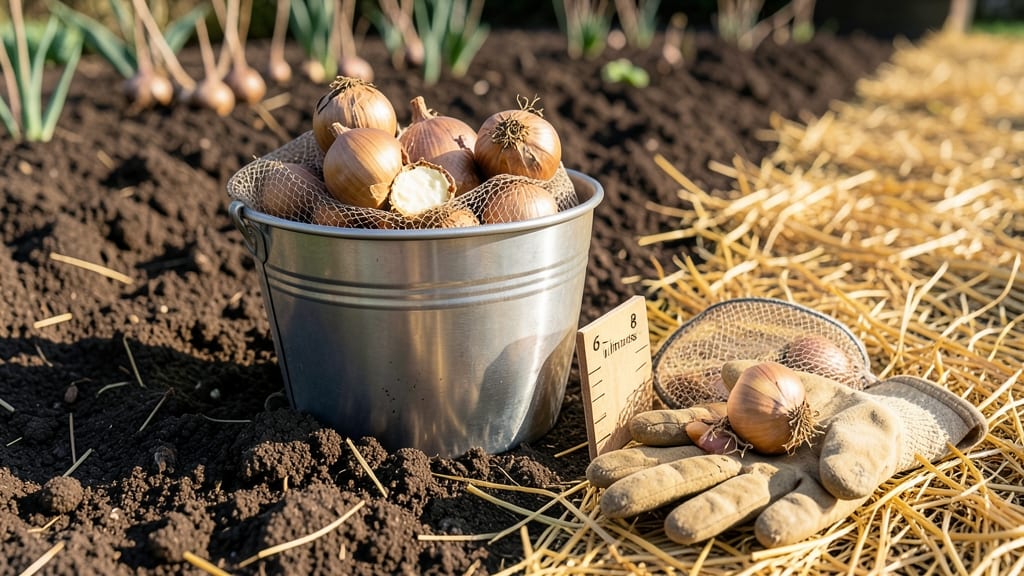
Planting tulip bulbs in Kentucky between October and November 🌷 is the secret to vibrant spring blooms that outshine even the Bluegrass region’s most famous wildflowers.
Miss that window, though, and you risk weak stems or no flowers at all—especially in Zone 6a, where early freezes can sneak up faster than you think.
The difference between a stunning display and a flop often comes down to timing, soil prep, and knowing when to stop planting before winter sets in.
Kentucky’s climate throws a few curveballs, from sudden cold snaps to wet springs that can rot bulbs if planted too late. But with the right strategy—like adjusting for your local frost dates and soil conditions—you can turn your garden into a tulip paradise every April and May.
Below, I’ll walk you through the exact planting calendar for Kentucky, soil prep tips, and how to protect your bulbs from late frosts—so you can enjoy perfect blooms year after year without the guesswork.
Optimal Kentucky tulip bulb planting dates by month (USDA Zone 6 guide)
Kentucky’s USDA Zone 6 climate offers the perfect balance for tulip bulbs—cold winters to vernalize them and mild springs for vibrant blooms. But timing is everything. Plant too early, and bulbs may sprout prematurely; too late, and they won’t root before winter.
The ideal window spans October through November, with soil temperatures playing a critical role in success.
For reliable blooms, aim to plant when soil temps drop below 60°F but before the ground freezes. In Kentucky, this typically means mid-October to early November, but microclimates (like the Bluegrass Region) may shift this window by 1-2 weeks.
Let’s break down the best planting dates by month to maximize your tulip success.
The October window is your golden opportunity—bulbs have time to establish roots before winter, yet avoid the heat stress of late-summer planting. In northern Kentucky (e.g., Lexington), aim for mid-October; in southern regions (e.g., Bowling Green), you might extend planting into early November.
Always check your local frost dates to adjust.
If you miss the ideal window, don’t panic. Tulip bulbs can handle late fall planting in Kentucky, but act fast. Plant in December only if soil isn’t frozen—cover with mulch to insulate bulbs from temperature swings.
However, late plantings may produce smaller blooms or delay flowering until the following year.
Pro tip: Use a soil thermometer to confirm temps. Bulbs need 4-6 weeks of cool soil (below 60°F) to root before winter. In Kentucky’s Zone 6a, this aligns with October’s second half.
For early bloomers (like Parrot tulips), plant by mid-October; for late varieties, stretch to early November.
Kentucky’s variable microclimates can shift planting by 1-2 weeks. For example, mountainous areas (e.g., Cumberland Plateau) freeze earlier, while river valleys (e.g., Louisville) stay warmer. Monitor your local weather and adjust accordingly. Never plant after the first hard frost—bulbs won’t survive.
For reliable blooms, pair planting with well-draining soil and full sun. Kentucky’s clay-heavy soils in some areas? Amend with compost to prevent bulb rot. And remember: depth matters. Plant bulbs 6-8 inches deep—deeper in sandy soil, shallower in clay—to protect them from freezing-thaw cycles.
Once planted, mulch heavily (3-4 inches) with straw or leaves to insulate bulbs through winter. Remove mulch in early spring to encourage blooming. With the right timing, your Kentucky garden will burst into color by April, proving that patience—and a well-timed shovel—pay off big time.
How Kentucky’s climate affects tulip bulb success (and how to adjust)
Kentucky’s USDA Zone 6a climate offers ideal conditions for tulips, but the state’s variable freeze dates and microclimates can throw off your planting timing. For example, the Bluegrass region (Lexington, Louisville) freezes earlier than the Cumberland Plateau (Pikeville, London), meaning your planting window might shift by weeks depending on location.
The key to success lies in understanding soil temperature thresholds—tulip bulbs need 40-50°F soil to start rooting and consistent cold to break dormancy.
In Kentucky, this usually happens between mid-October and late November, but a warm fall can delay root establishment, while an early frost can damage newly planted bulbs.
Here’s the critical adjustment: If your area experiences unusually warm falls (like 2023’s late-season heat), plant bulbs earlier (September) to give roots time to form. Conversely, if early freezes are forecasted, delay planting until late November—just don’t wait past December 1st, or bulbs may not root before winter.
⚠️ Late Planting Warning: Kentucky’s Wet Springs Are a Bulb Killer
Planting tulip bulbs after mid-November in Kentucky risks rot from excessive moisture—especially in the Bluegrass region, where springs are often soggy. If you must plant late, choose well-draining soil and raise beds to prevent waterlogged conditions. Avoid planting in low-lying areas where snowmelt pools.
Kentucky’s microclimates also play a role. The Cumberland Plateau (higher elevation) stays colder longer, so you can plant bulbs 2-3 weeks later than in Western Kentucky’s warmer valleys.
Check your local frost dates (average first frost: November 15) and adjust your timeline accordingly—aim to plant 4-6 weeks before the ground freezes.
To protect bulbs from late frosts (common in Kentucky’s Zone 6a), apply a 2-3 inch layer of mulch (straw or shredded leaves) after planting. This insulates bulbs without smothering them, helping roots survive brief cold snaps that can blacken leaves but rarely harm the bulb itself.
Finally, soil moisture is critical. Kentucky’s clay-heavy soils (common in the Bluegrass region) drain poorly, so amend with compost or sand to improve drainage. If your soil stays wet for weeks, bulbs will rot—even if planted on time.
Test soil moisture by squeezing a handful; if it forms a tight ball, your soil is too wet for tulips.