
Plants
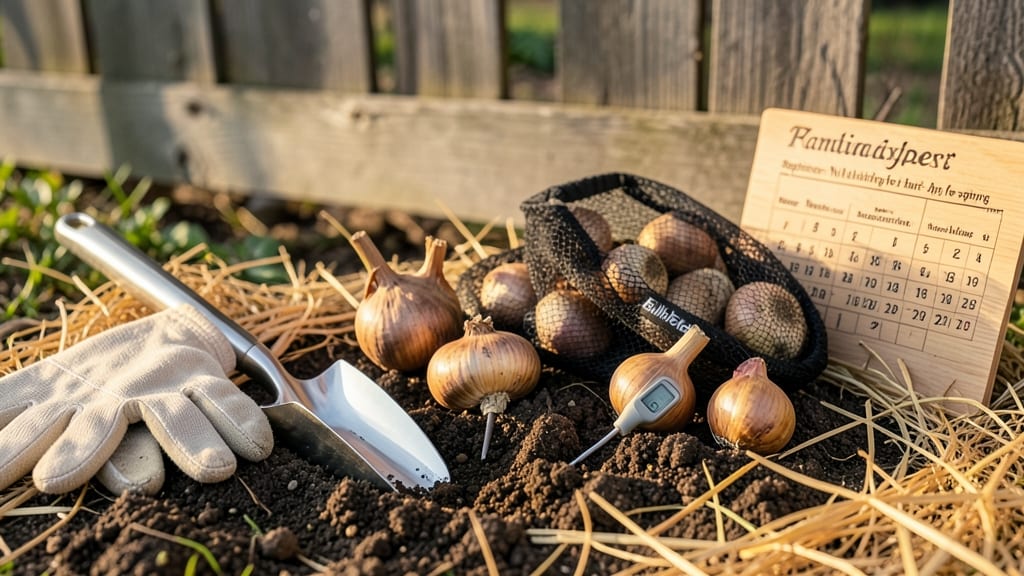
To plant bulbs in Kentucky for stunning spring blooms, aim for October through mid-November—a window that aligns with your USDA Zone 6a-7a frost dates and ensures roots establish before winter.
Missed planting season last year? Kentucky’s unpredictable winters demand precision timing to ensure your Spring Flowering Bulbs (e.g., Tulips, Daffodils, Hyacinths) 🌷 bloom flawlessly—without freezing before they root. Here’s the exact window to plant for zero winter loss in Zone 7b.
Why does timing matter so much? Bulbs need 4-6 weeks of cool soil before the ground freezes solid. Plant too early, and they’ll rot; too late, and they’ll sprout too soon, only to be nipped by frost.
Kentucky’s humid subtropical climate adds another layer—moisture and temperature swings can shift the ideal window by weeks, depending on where you live.
Below, I’ll break down the science behind Kentucky’s planting window, how to adjust for microclimates (yes, your neighbor’s success might not apply to you), and 5 pro tips to guarantee your bulbs survive winter and burst into color next spring.
Kentucky’s ideal bulb planting window: USDA Zone 7b deadlines explained
Kentucky’s USDA Zone 7b climate creates a 6-week window for planting spring bulbs—from October 1 to November 15. This isn’t random; it’s rooted in soil temperature science. Bulbs need 4-6 weeks to develop roots before winter sets in, or they’ll rot in frozen ground.
In Kentucky, average first frost hits around October 15, but soil stays workable until mid-November.
Think of it like a race: bulbs must establish roots before the ground freezes solid. In Zone 7b, that means planting 6-8 weeks before the average 28°F frost.
Miss this window, and you risk winter loss—especially for tender bulbs like tulips. The key? Soil temperature must stay above 50°F for root growth.
| Bulb Type | Ideal Planting Window | Soil Temp Requirement | Risk Level |
|---|---|---|---|
| Tulips | October 1–November 15 | 50–60°F | High (needs early planting) |
| Daffodils | October 15–December 1 | 45–55°F | Moderate (hardier) |
| Hyacinths | October 1–November 10 | 50–60°F | High (sensitive to frost) |
| Crocuses | September 15–October 30 | 40–50°F | Low (early bloomers) |
| Alliums | October 1–November 15 | 50–60°F | Moderate (drought-tolerant) |
Not all bulbs are created equal. Tulips and hyacinths are the pickiest—they need that 50°F soil for root growth and can’t handle late planting.
Daffodils, on the other hand, are more forgiving and can handle slightly cooler soil, which is why they often bloom earlier in Kentucky gardens. Crocuses are the early birds, planted as early as mid-September to beat the first frost.
Here’s the golden rule: Plant bulbs when soil temperatures are consistently above 50°F but dropping toward 40°F. Use a soil thermometer to check—bury it 6 inches deep, where bulbs will root.
In Louisville, for example, soil hits 50°F around mid-October, while in Lexington, it’s a week earlier. Timing is everything!
Kentucky’s humid subtropical climate adds another layer. Heavy rain in November can delay planting, while early cold snaps (like the 2021 Halloween frost) can shut down root growth overnight.
That’s why I always plant my daffodils by October 20—they’re my insurance policy against late-season surprises. Tulips, though, get planted by October 10 to guarantee blooms.
Pro tip: Double-check your frost dates. Kentucky’s first frost can vary by 2 weeks depending on elevation. Use the National Weather Service’s frost prediction tool for your specific county.
For example, Paducah’s first frost often comes 10 days earlier than Bowling Green’s. Adjust your planting window accordingly—this isn’t a one-size-fits-all scenario.
If you’re late to the game (say, after November 15), don’t panic.
You can still plant bulbs in December, but they’ll need extra protection: a thick layer of straw mulch (4–6 inches) and a frost blanket in high-risk areas. Daffodils are your best bet for late planting—they’ll often bloom the following spring, albeit slightly later.
Remember, the goal isn’t just planting—it’s root establishment. A bulb with strong roots by winter will bloom bigger and brighter next spring. That’s why I always water bulbs deeply after planting and avoid disturbing the soil until spring. The less stress, the better the blooms. 🌷
Need a quick reference? Bookmark this: October 1–15 for tulips and hyacinths, October 15–31 for daffodils and alliums, and September 15–October 30 for crocuses. Stick to this, and your Kentucky garden will reward you with a carpet of color by April. Happy planting! 🌱
How to adjust planting for Kentucky’s microclimates: shade, elevation, and soil factors
Kentucky’s diverse geography—from the humid river valleys to the Appalachian foothills—creates microclimates that can shift your bulb planting window by 2+ weeks. Your neighbor’s November 1 success might mean rotten bulbs in your clay-heavy garden or early sprouts in a sun-baked urban yard.
Here’s how to adjust for Kentucky’s three key variables.
First, elevation matters. Every 1,000 feet up in the Appalachians can push your first frost date back by 3–5 days. In Lexington (900 ft), aim for planting by November 10, but in Pine Mountain (3,000 ft), you’ve got until November 25—thanks to cooler nights.
Use the USDA Plant Hardiness Map to find your exact zone, then subtract 4–6 weeks from your average first frost date.
Soil type is your second puzzle. Kentucky’s clay-heavy soils (common in the Bluegrass region) stay too wet too long, risking bulb rot if planted after mid-October. Amend with compost or sand to improve drainage, or shift to well-draining raised beds for a 2-week later planting window. In sandy soils (like those in western Kentucky), you can plant up to 3 weeks later since they dry faster.
🌱
Don’t overlook shade levels. A woodland garden with partial shade stays cooler, letting you plant 1–2 weeks later than a sun-drenched backyard. Test your spot: If the soil stays below 60°F by late October, you’re safe to delay.
Use a soil thermometer—it’s your best tool for precision.
Finally, urban heat islands (like downtown Louisville) can make your yard 5–10°F warmer than rural areas, causing bulbs to sprout too early. If your soil hits 50°F by October 20, plant tulips and hyacinths by October 1—or risk frost-damaged shoots.
For daffodils (hardier), you’ve got until October 15.
Pro tip: Group bulbs by hardiness. Plant tender tulips first in early October, then daffodils and crocuses in mid-to-late October. This staggered approach maximizes your window and minimizes risk. 🌿