
Plants
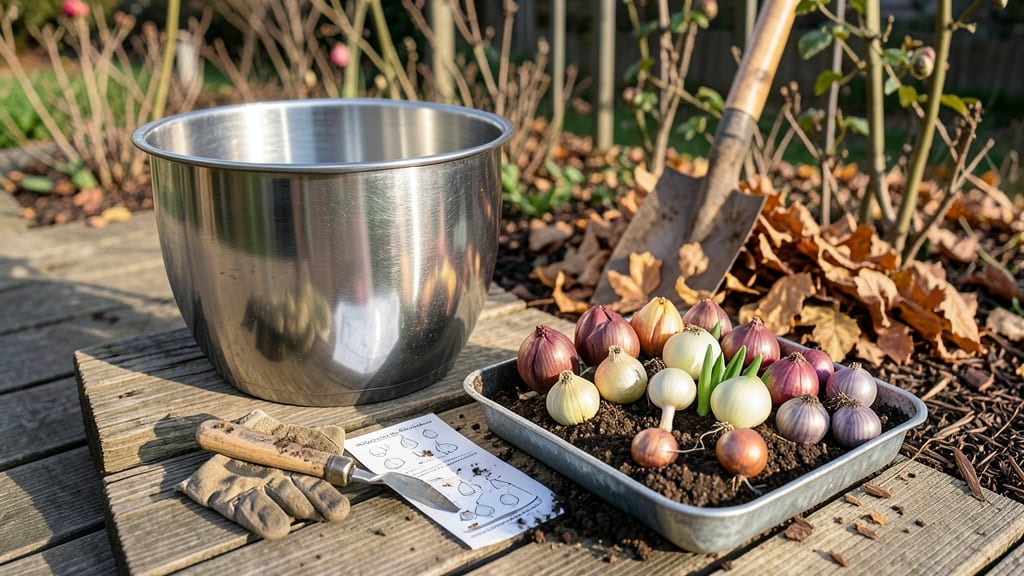
Planting bulbs in the fall ensures vibrant spring blooms — but timing is the key to avoiding rot or missed growth.
If you’ve ever dug up frozen bulbs or watched your garden pass up a chance at tulips and daffodils, you know how critical the window is. Too early, and they’ll rot in damp soil; too late, and frost will damage tender roots.
The secret? Planting 6-8 weeks before your first frost — a schedule that shifts from zone to zone.
For most gardeners in USDA Zone 6a, that means mid-September through early November, but southern climates can start earlier. The trick isn’t just the calendar—it’s soil temperature, bulb hardiness, and even moon phases (yes, really).
Below, I’ll break down the exact months by zone, plus the 3-step checklist to verify your soil is ready.
You’ll also discover how to avoid the most common mistakes—like planting too shallow or ignoring drainage—that turn hopeful spring blooms into a bust. Let’s get those 🌷 Spring Flowering Bulbs in the ground the right way.
Fall bulb planting calendar by USDA Zone (exact months for success)
Planting fall bulbs at the right time ensures they establish strong roots before winter, leading to vibrant spring blooms. But timing varies dramatically by USDA zone—plant too early in warm climates, and bulbs may sprout prematurely; too late in cold zones, and they won’t root before frost.
The key is 6-8 weeks before your first frost date, adjusted for soil temperatures and regional microclimates.
For example, gardeners in Zone 3 (like Minneapolis or Detroit) have a narrow window—typically mid-September to early October—while those in Zone 10 (like Miami or San Diego) can plant as late as November or even December.
Soil temperatures should ideally be between 40°F and 60°F at planting time to prevent rot or dormancy issues.
Below is your zone-specific planting calendar, including hardiness notes for popular bulbs like tulips, daffodils, and alliums. Use this as your guide to avoid common mistakes like planting too shallow or ignoring frost dates.
| USDA Zone | Ideal Planting Window | Soil Temp Range (°F) | Key Bulbs to Plant | Notes |
|---|---|---|---|---|
| Zones 3-4 | Mid-September to mid-October | 40°F–50°F | Tulips, Daffodils, Hyacinths, Alliums | Early frost risk; use mulch after planting. |
| Zones 5-6 | Late September to early November | 45°F–55°F | Crocuses, Snowdrops, Fritillaries | Adjust for early vs. late frost years. |
| Zones 7-8 | October to mid-November | 50°F–60°F | Daffodils, Grape Hyacinths, Iris | Soil stays warmer longer; plant later. |
| Zones 9-10 | November to December | 55°F–65°F | Tender bulbs (e.g., Calla Lilies) | Avoid planting before first frost; use containers. |
🌱 Pro Tip: Check your local first frost date and count backward 6-8 weeks for your planting window.
In Zones 3-4, where winters are harsh, focus on hardy bulbs like daffodils and alliums, which tolerate colder soils. Plant by mid-October at the latest—any later, and roots won’t establish before the ground freezes.
For Zones 5-6, you have more flexibility, but watch for early frost warnings in your region. I’ve planted tulips in Zone 5 as late as November 1st in mild years, but they struggled when frost came early.
Southern gardeners in Zones 7-10 can plant well into fall, but avoid tender bulbs like gladiolus in colder microclimates. Instead, opt for drought-tolerant varieties like rain lilies, which thrive in Zone 9’s warm winters.
If you’re in Zone 10, December planting is fine, but use well-draining soil to prevent rot in consistently warm conditions.
Regional adjustments matter too. For example, Pacific Northwest gardeners in Zone 7 might plant 2 weeks later than those in Zone 7 Midwest due to cooler, wetter soils.
Always check local frost dates—your neighbor’s schedule might not match yours! Use a soil thermometer to confirm temperatures are in the ideal range before planting.
One common mistake I see is planting bulbs too shallow in cold zones, which exposes them to frost heave (when freezing/thawing cycles push bulbs out of the ground). Aim for
Critical factors that determine perfect planting time (beyond the calendar)
Planting bulbs isn't just about checking a calendar—soil temperature, frost dates, and bulb hardiness play starring roles. Cold soil can stunt roots, while early frost may kill tender shoots.
Even the bulb type (hardy vs. tender) changes the game. Let’s break down how to time it right for daffodils, tulips, and hyacinths so they thrive next spring.
Most gardeners rely on USDA zone maps, but those only tell part of the story. The real magic happens when you factor in soil thermometers and local frost predictions. For example, Zone 5 might plant in early October, but if your soil stays warm, you could wait until November.
The key is 6-8 weeks before ground freeze—not the calendar date.
Here’s my 3-step checklist to verify your bulbs are ready for the ground, no matter where you live:
- Step 1: Test soil temperature—ideal range is 40–50°F (4–10°C). Use a soil thermometer at 4-inch depth. If it’s below 40°F, wait or plant in containers.
- Step 2: Check frost dates—aim to plant 6 weeks before the average first frost. Use the National Weather Service or local extension office for precise data. Late planters? Store bulbs in a cool, dark place (like a fridge) until soil cools.
- Step 3: Know your bulbs—hardy varieties (daffodils, alliums) handle cold soil better than tender types (tulips, hyacinths). If you’re in Zone 7+, prioritize late fall planting to avoid winter rains.
Let’s talk bulb storage for late planters—this is a game-changer. If your soil stays warm past the ideal window, store bulbs in a paper bag (not plastic!) with dry peat moss in a cool basement (35–40°F).
Replant as soon as soil drops below 60°F. Pro tip: Label bags with the planting date to avoid confusion.
Don’t overlook drainage—even with perfect timing, soggy soil sends bulbs to an early grave. Amend heavy clay with compost or sand, and avoid low spots where water pools. A 1-inch layer of mulch after planting helps insulate roots and retain moisture without suffocating them.
Remember, tender bulbs (like gladiolus) need extra care—they’re the first to suffer if planted too early. In Zones 8–10, wait until November or even December to avoid winter rains. For hardy bulbs, like crocus or snowdrops, you can plant as late as January in mild climates.
Timing isn’t just about the calendar—it’s about soil, frost, and bulb type. Master these factors, and you’ll enjoy bigger blooms and healthier plants next spring. Happy planting! 🌷