
Plants
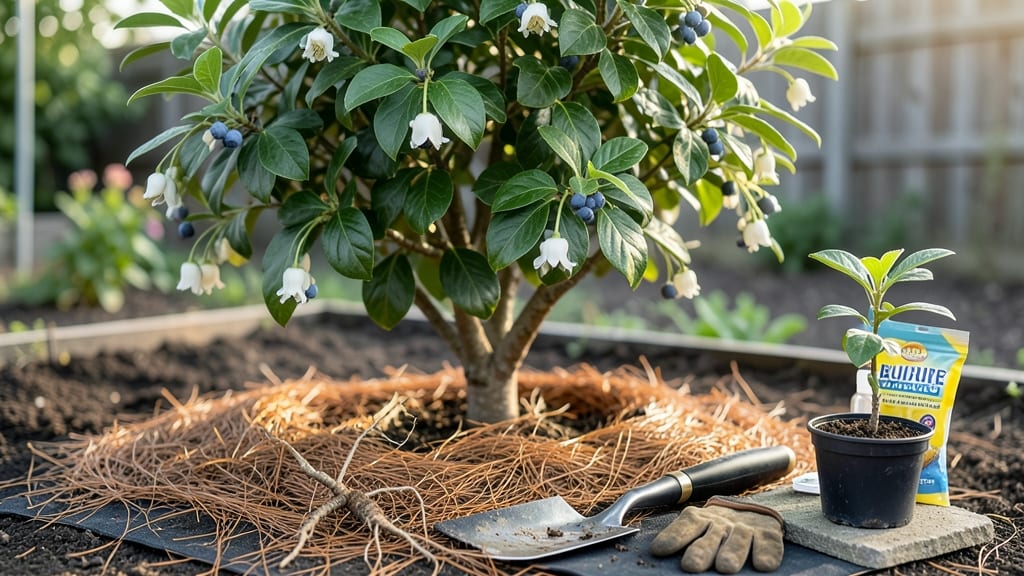
Plant blueberries in Washington State between late winter and early spring 🫐 — a window that aligns with your USDA zone to avoid frost damage and ensure strong root growth.
Washington State’s cool, wet climate creates the perfect conditions for blueberry bushes—but planting them at the wrong time can mean poor yields or even death. Timing is everything, and understanding your specific USDA zone is the key to thriving bushes that produce juicy berries year after year.
If you’ve ever wondered why some blueberry bushes flourish while others struggle, it often comes down to planting too early or too late. In zones 6b-8b, the best months are March and April, when the soil warms enough for roots to establish without competing with summer heat.
Below, I’ll break down the exact planting schedule for your zone, plus soil prep tips and the best varieties for Washington’s unique climate—so you can start harvesting in June or July.
Best planting months for Washington blueberries by USDA Zone
Washington State spans USDA Zones 6b through 8b, creating distinct planting windows for blueberries that depend on frost timing and soil warmth. In Zone 6b (e.g., Spokane), you’ll want to plant earlier than in Zone 8b (e.g., Yakima Valley), where milder winters allow later starts.
The goal is to plant when soil temperatures rise above 45°F (7°C)—a critical threshold for root establishment.
For bare-root blueberries, the ideal window is late winter to early spring (February through April), aligning with dormancy break and active root growth. Container-grown bushes, however, offer a 2-week flexibility and can be planted slightly later in May, provided frost risk is minimal.
This timing ensures your bushes establish roots before summer heat arrives.
Here’s a zone-specific breakdown of when to plant blueberries in Washington, including soil temperature cues and seasonal considerations:
| USDA Zone | Best Planting Month | Soil Temp Threshold | Key Consideration |
|---|---|---|---|
| 6b (Spokane, Wenatchee) | Late February - Early March | 45°F (7°C) | Avoid late frosts; mulch heavily. |
| 7a (Seattle, Bellingham) | Mid-March - Early April | 48°F (9°C) | Western WA’s wet springs delay planting; test soil moisture. |
| 7b (Olympia, Portland) | Early April - Mid-April | 50°F (10°C) | Cooler microclimates (e.g., Puget Sound) may need later starts. |
| 8a (Tri-Cities, Yakima) | Late March - Early April | 52°F (11°C) | Drier climate; water deeply post-planting. |
| 8b (Walla Walla) | Early April - Mid-April | 55°F (13°C) | Extended growing season; plant early for fall harvests. |
In Zone 6b, where last frosts linger until mid-March, prioritize bare-root plants and protect them with straw mulch (3–4 inches) to insulate roots.
For Zone 8b, where frost-free dates arrive by mid-February, you can plant as early as late March—but avoid container-grown bushes after April 15 to prevent heat stress.
Fall planting is not recommended in Washington due to the region’s wet, mild winters, which can lead to root rot or poor establishment. If you miss the spring window, opt for container-grown bushes in May, but amend soil with peat moss to lower pH and improve drainage.
Always water deeply after planting to eliminate air pockets around roots.
For container gardening, timing shifts slightly: plant 1–2 weeks later than in-ground bushes to accommodate slower root establishment in pots. Choose dwarf varieties (e.g., ‘Top Hat’) for smaller spaces, and ensure containers have drainage holes to prevent soggy soil—a common issue in Washington’s rainy climate.
Pro tip: Use a soil thermometer to confirm 45°F (7°C) soil temps before planting. In Western WA, this often aligns with late March, while Eastern WA may reach it by early March. Adjust for microclimates, like frost pockets in valleys or urban heat islands near roads.
After planting, mulch with pine needles (acidic and free in many WA forests) to maintain pH 4.5–5.5 and suppress weeds. This mimics the natural habitat of blueberries and reduces irrigation needs—a critical advantage in Washington’s variable rainfall.
Remember: Root establishment takes 6–8 weeks in Washington’s cool climate. Planting too late risks stunted growth or reduced fruit production the following year. When in doubt, err on the earlier side—your blueberry bushes will thank you with bountiful harvests in June–August.
Signs your Washington soil and climate are ready for blueberry planting
Before digging in, check your soil pH—blueberries thrive in acidic soil (4.5-5.5). Grab a soil test kit from your local nursery or send a sample to WSU Extension. If your soil tests too alkaline, amend it with peat moss or sulfur 2-3 months before planting.
Western Washington’s cooler, wetter climate (like the Puget Sound region) is ideal for blueberries, but Eastern Washington’s dry heat (like Yakima Valley) requires extra soil moisture retention. Test drainage by digging a 6-inch hole and filling it with water—if it drains in 4 hours, your soil is ready.
Timing matters: Plant when daytime temps stay above 40°F but nighttime frosts are rare. In Western WA (Zone 7-8), this is typically late March to early April, while Eastern WA (Zone 6) gardeners should aim for mid-April to early May.
🚨 Warning: Planting Too Early or Late
Planting in cold soil (below 45°F) stunts root growth, while planting after May risks summer drought stress. Western WA’s milder winters allow earlier planting, but Eastern WA’s hotter summers demand faster root establishment—so prioritize soil prep 1-2 months ahead.
Observe your local frost dates: Blueberries need 600-1,000 chill hours (below 45°F) to fruit well. Check WSU AgWeatherNet for your area’s frost history—plant after the last average frost date (e.g., March 15 in Seattle, April 1 in Spokane).
Look for well-draining, slightly acidic soil with organic matter. If your yard has clay-heavy soil, mix in compost or pine bark fines to improve aeration. Blueberries hate waterlogged roots, so avoid low-lying areas where water pools.
Finally, microclimates matter: A south-facing slope in Eastern WA can be 5°F warmer than a shaded valley, while Western WA’s coastal fog keeps soil moist longer. Adjust planting dates by 1-2 weeks if your spot is unusually warm or cold.