
Fertilization
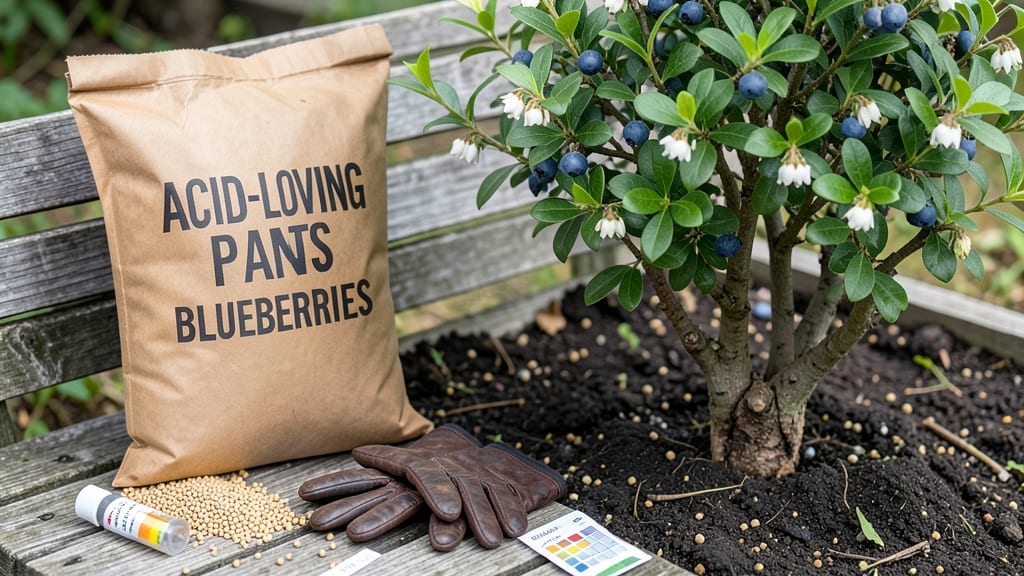
You should fertilize blueberry bushes at two key times each year: early spring and late summer, when their growth and fruiting demand the most nutrients.
Timing matters more than you might think—too early, and you risk stunting flower buds; too late, and your harvest suffers. Blueberry bushes 🫐 are picky eaters, needing acidic soil and a precise feeding schedule to thrive.
In this guide, I’ll break down the exact months to fertilize based on your climate, plus how to spot when your bushes are hungry (pale leaves, weak stems) and which fertilizers work best.
By the end, you’ll have a clear schedule to follow—no guesswork, just bigger harvests and healthier plants every season.
Best times to fertilize blueberry bushes: spring vs. Fall schedule breakdown
Blueberry bushes need nutrient-rich soil to produce those juicy, sweet berries we all love. But timing your fertilizer applications is just as important as choosing the right type. Too early, and you risk burning roots before they establish.
Too late, and your bushes may struggle to fruit the following season. The key lies in feeding them during their active growth phases—early spring and late summer—while avoiding winter dormancy.
Most gardeners focus on spring fertilization right before blooming, but late summer is equally critical for replenishing nutrients after harvest. Soil acidity (pH 4.5–5.5) also plays a huge role—blueberries can’t absorb nutrients if the pH is off.
That’s why I always test my soil in early spring before applying any fertilizer. Let’s break down the month-by-month schedule for both organic and synthetic fertilizers to keep your bushes thriving.
🌱 Pro Tip: Always water your blueberries deeply before fertilizing to help nutrients reach the roots. A dry soil can burn roots when fertilizer is applied.
In early spring, I always start with a light feeding right before buds swell but before blooms appear. This jumpstarts growth without overstimulating the plant too early. Use a balanced fertilizer like 10-10-10 or organic cottonseed meal, which releases nutrients slowly.
For young bushes (under 2 years old), cut the rate in half to avoid root burn.
If your blueberries are heavy producers, a second feeding in late spring (after blooming) helps sustain fruit development.
I like to use ammonium sulfate for a quick nitrogen boost, but always water thoroughly afterward. Synthetic fertilizers work faster, while organic options improve soil structure over time—both have their place in my garden.
🌿 Warning: Never fertilize after mid-summer. New growth won’t harden off properly for winter, leaving your bushes vulnerable to freeze damage. Instead, focus on mulching with pine needles or peat moss to maintain soil acidity naturally.
For organic gardeners, I recommend composted leaves or well-rotted manure in early spring, followed by fish emulsion in summer.
These options enhance soil microbes while providing nutrients. Synthetic fertilizers, like Miracid Azalea/Camellia food, are great for quick fixes but should be used sparingly to avoid soil salt buildup.
Regional differences matter too! In warmer climates (Zones 8-10), you might extend your summer feeding into early August, while cooler zones (Zones 3-6) should stop by mid-July to prevent tender new growth. Always check your last frost date and adjust accordingly.
Finally, monitor your bushes after fertilizing. Yellow leaves can signal over-fertilization
Signs your blueberry bushes need fertilizer (and what to do next)
Your blueberry bushes 🫐 silently scream for help when they lack nutrients—often before you notice. Yellowing leaves, especially on older foliage, are the first red flag. This usually means a nitrogen deficiency, but it could also signal poor soil pH or overwatering.
Pay attention to stunted growth too. If your bushes aren’t reaching their expected height (like 3-4 feet by year 2) or producing sparse berries, they’re likely nutrient-starved. Even if leaves look green, small, pale berries or a sudden drop in fruit production are clear signs your bushes need feeding.
Here’s the kicker: Over-fertilizing is just as harmful as under-fertilizing. Too much nitrogen can burn roots, while excessive phosphorus or potassium disrupts the plant’s natural balance, leading to leaf scorch or fungal issues.
⚖️ When Should You Fertilize Blueberry Bushes?
✅ DO Fertilize When...
- 🌱 Soil pH is 4.5-5.5 (test first!)
- 🌿 New growth appears slowly or stops
- 🫐 Berries are small or sparse
- 📅 Early spring (before blooms) or post-harvest (late summer)
❌ DON'T Fertilize When...
- 🍂 Leaves show brown edges (over-fertilized)
- 🌡️ Temps are below 50°F (dormant season)
- 💧 Soil is waterlogged (roots suffocate)
- 📅 Fall/winter (encourages late growth before frost)
If you spot yellow leaves with green veins, your bushes might need iron or magnesium. For purple stems, phosphorus is likely lacking. Always test your soil first—blueberries hate alkaline soil, and a pH above 6.0 blocks nutrient uptake entirely.
For a quick fix, use cottonseed meal (high in nitrogen) or ammonium sulfate (acidifying). Apply 1/4 cup per bush in early spring, then again after harvest. Water deeply afterward to prevent root burn.
Pro tip: Mulch with pine needles or peat moss to maintain acidity naturally. This slow-release method keeps nutrients available without overloading the plant.