
Fertilization
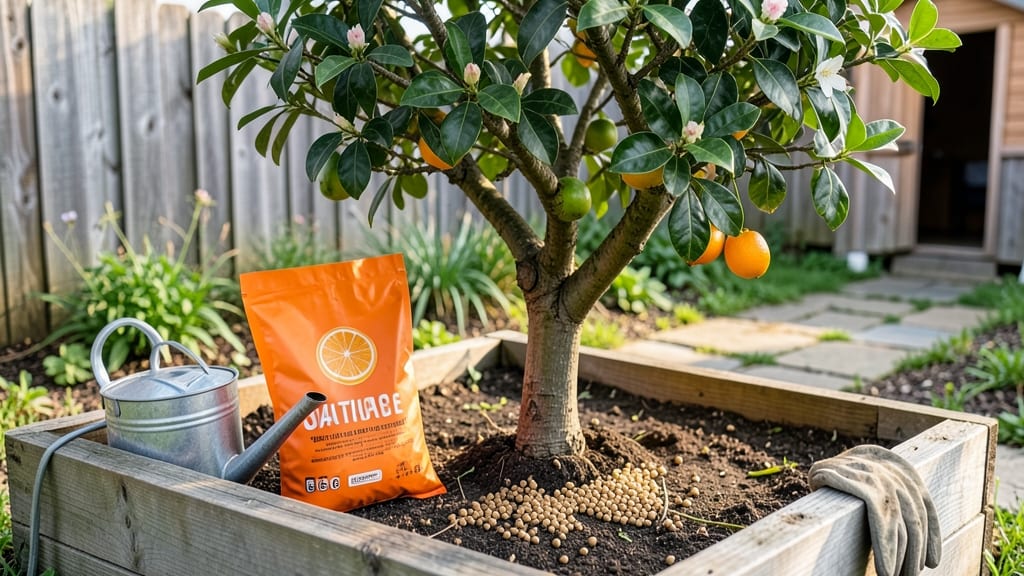
Fertilizing your 🍊 orange tree at the right times transforms a modest harvest into a bounty of juicy fruit—spring and fall are the two critical windows that make all the difference.
Picture this: You’ve nurtured your tree for years, but the oranges stay small, or worse, never set at all. The issue isn’t the fertilizer itself—it’s when you apply it. Too early, and you waste nutrients; too late, and your tree struggles to produce.
The secret lies in syncing feedings with your tree’s natural growth cycles, something even experienced gardeners get wrong.
Most orange trees in Zones 6-11 need their first feeding 4-6 weeks after planting in spring, just as new leaves emerge. Then comes the fall surprise: a second feeding in early autumn can boost next year’s bloom—but only if you time it perfectly.
Skip these steps, and you might end up with leafy growth instead of fruit, or worse, nutrient burn that stunts your tree for years.
In this guide, I’ll walk you through the exact spring and fall schedule that works for both young and mature trees, plus how to choose the right fertilizer and spot the warning signs of over- or under-feeding.
By the end, you’ll know not just when to fertilize, but how to do it for a tree that rewards you with bushels of sweet oranges.
Optimal fertilization timeline for orange trees: spring vs fall breakdown
Timing your orange tree fertilization is everything—get it wrong, and you risk nutrient burn or poor fruit production. Most gardeners focus on spring feeding, but late fall has a hidden role in preparing trees for winter dormancy.
Let’s break down the science-backed schedule that aligns with citrus bloom cycles and climate zones.
First, soil testing is non-negotiable. Orange trees prefer slightly acidic soil (pH 6.0–7.0). If your soil is off, correct it before fertilizing—lime for acidity or sulfur for alkalinity. I’ve seen trees with yellowing leaves that simply needed a pH adjustment, not more fertilizer!
Now, let’s tackle the spring vs. fall debate. Most experts agree: spring fertilization is critical for new growth, while fall feeding is optional and climate-dependent. But here’s the twist—young trees (under 3 years) need more frequent feeding than mature ones.
| Season | Best Time | Fertilizer Type | Frequency | Key Goal |
|---|---|---|---|---|
| Spring (Early) | March–April (Zone 6–9) | Balanced (6-6-6 NPK) | Every 4–6 weeks | Stimulate new growth and bloom production |
| Spring (Late) | May–June (After blooms) | Low-nitrogen (3-4-6 NPK) | Every 6–8 weeks | Support fruit development without overstimulating leaves |
| Fall (Early) | September–October (Zone 8–11) | Slow-release organic | Once (optional) | Strengthen root system for winter |
| Fall (Late) | November (Zone 6–7) | None | Skip | Allow dormancy to prevent late-season growth |
For temperate climates (Zones 6–8), focus on early spring fertilization—right after your last frost date. In my Zone 7 garden, I apply a 6-6-6 fertilizer in March to kickstart growth.
The key is to fertilize before bloom (late winter/early spring) to ensure energy goes into flowers, not just leaves.
In warmer climates (Zones 9–11), you can extend feeding into late fall—but stop by October to avoid encouraging tender new growth before winter. I’ve seen Florida-grown trees produce fruit year-round, but even they benefit from a light feeding in September to harden off for cooler months.
Pro tip: Micronutrients matter. Orange trees need zinc, iron, and manganese for vibrant fruit. If your leaves show yellowing between veins, it’s often an iron deficiency. A chelated iron spray can work wonders alongside your regular fertilizer.
One mistake I’ve seen gardeners make? Over-fertilizing in summer. Too much nitrogen now leads to leafy growth at the expense of fruit. Instead, switch to a low-nitrogen fertilizer (3-4-6 NPK) in June to support fruit without overstimulating foliage.
Finally, mulch matters. After fertilizing, apply 2–3 inches of mulch (wood chips or straw) to retain moisture and regulate soil temperature. This simple step can double your fertilizer’s effectiveness by preventing nutrient runoff.
Remember: Less is often more with citrus. A well-timed feeding in spring and a light touch in fall (if needed) will give you healthier trees and bigger harvests—without the risk of overdoing it. 🍊
How to choose the right fertilizer for orange trees by growth stage
Choosing the right fertilizer for your orange tree depends entirely on its growth stage. Young trees need gentle nutrition to establish roots, while mature trees require balanced NPK ratios to fuel fruit production.
The key is understanding how nitrogen (N), phosphorus (P), and potassium (K) work together at each phase of growth.
For young orange trees (first 2-3 years), focus on higher nitrogen to promote leafy growth and root development. A 6-6-6 or 8-3-9 NPK ratio works well, but avoid overdoing it—too much nitrogen can delay fruiting. Organic options like composted manure or fish emulsion are excellent for gentle, long-term feeding.
As your tree matures (years 3+), shift to a lower nitrogen, higher potassium blend to support flowering and fruiting. A 3-1-2 or 8-3-9 NPK ratio encourages strong blooms and sweet fruit. Micronutrients like zinc, magnesium, and iron become critical—deficiencies can cause yellowing leaves or poor fruit set.
Organic fertilizers like citrus-specific blends or worm castings release nutrients slowly, while synthetic options (e.g., Osmoote or Miracle-Gro Citrus Food) provide quick results. Always pair fertilization with deep watering to prevent root burn and ensure nutrient absorption.
| Growth Stage | Recommended NPK | Best Fertilizer Type | When to Apply |
|---|---|---|---|
| Young Trees (1-2 years) | 6-6-6 or 8-3-9 | Organic (compost, fish emulsion) | Spring (March-April) |
| Mature Trees (3+ years) | 3-1-2 or 8-3-9 | Balanced (synthetic or organic) | Early spring & summer (March, May, July) |
| Flowering Stage | Low N (e.g., 5-10-10) | Micronutrient boost (Epsom salt, iron) | Late winter (Feb) before blooms |
| Post-Harvest | High K (e.g., 2-4-6) | Potassium-rich (banana peel tea) | Fall (October-November) |
In temperate zones (USDA 6-8), fertilize in early spring (March-April) to kickstart growth and again in mid-summer (July) to sustain fruit development. In warmer climates (Zones 9-11), you can fertilize year-round with light applications every 6-8 weeks, avoiding heavy feeding in winter.
Always test your soil before fertilizing—pH imbalances (ideal: 6.0-7.0) can lock out nutrients. If your tree shows signs of yellow leaves or poor fruit set, a soil test will reveal if it’s a nitrogen, phosphorus, or micronutrient deficiency.
Adjust your fertilizer blend accordingly for a bountiful harvest. 🍊