
Fertilization
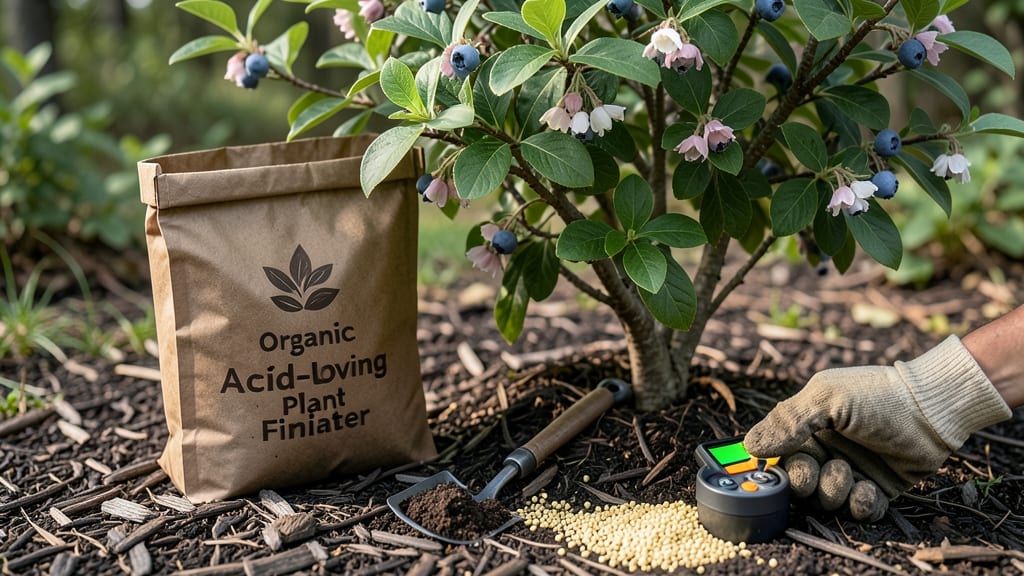
Fertilizing blueberries at the right time—early spring and late summer—is the secret to sweet, abundant harvests that keep your bushes thriving for years.
Blueberry bushes thrive with proper care, and fertilization timing is one of the most critical factors for sweet, abundant harvests—but get it wrong, and you’ll stifle growth or even harm your plants.
In Zone 6, where most home gardeners grow these acid-loving shrubs, the best windows are just after the last frost in late April and again in July after harvest.
Too early, and you risk burning tender roots; too late, and your plants won’t have time to use the nutrients before winter.
Below, I’ll walk you through the exact schedule for newly planted vs. established bushes, how to test your soil’s acidity, and which fertilizers work best—so you can avoid the costly mistakes that leave your 🫐 bushes struggling.
Best times to fertilize blueberries: spring vs. fall schedule explained
Blueberries are acid-loving plants that demand precise fertilization timing to produce sweet, abundant harvests. Unlike many fruits, they thrive on a two-season feeding schedule—spring and summer—with a critical pause in fall and winter.
Understanding these windows prevents nutrient burnout while maximizing berry size and flavor. The key? Aligning fertilization with your bush's growth cycles, not just calendar months.
Most gardeners mistakenly fertilize blueberries in fall or winter, which triggers tender new growth that won't survive frost. This leads to winter dieback and wasted energy. Instead, we focus on early spring and late summer when roots are actively absorbing nutrients.
For example, a 3-year-old bush in Zone 6 should receive its first feeding in late April, just as buds swell but before leaves emerge.
Here’s the science: Blueberries need high nitrogen in spring for leaf and cane growth, then shift to phosphorus and potassium in summer for fruit production. A balanced 10-10-10 fertilizer works, but acid-loving blends (like cottonseed meal) are better.
The soil pH must stay between 4.5 and 5.5—test it annually, as fertilization can raise pH over time.
Newly planted blueberries (first 2 years) need light feeding only. Over-fertilizing stresses young roots. Established bushes, however, can handle monthly feedings from May through August. The secret? Split applications—half in spring, half post-harvest—to avoid nutrient spikes that attract pests like spider mites.
Regional adjustments matter. In warmer climates (Zones 7-9), extend feeding to September, but stop by October 1st to harden off plants before winter. In colder zones (Zones 3-5), finish by mid-August to prevent late-season growth. Always water deeply after fertilizing to move nutrients into the root zone.
Let’s break down the spring schedule first. In early spring (March-April), apply a light nitrogen-rich fertilizer (like cottonseed meal) to jumpstart growth. This is when your bush’s root system expands rapidly, so nutrients must be available.
For a 5-year-old bush, use 1/2 cup of 10-10-10 fertilizer spread evenly around the drip line. Water immediately to activate nutrients.
By late spring (May-June), switch to a balanced fertilizer to support flowering and early fruit set. This is also the time to test soil pH. If it’s above 5.5, amend with sulfur or peat moss.
Overlooking pH adjustments here can lead to blossom end rot or poor fruit development. Pro tip: Mix in 1 inch of compost annually to improve soil structure.
Summer fertilization is all about fruit development. After harvest (typically July-August), apply a potassium-heavy fertilizer (like greensand) to strengthen cell walls and improve berry sweetness.
Split this into two applications: one in early July and another in mid-August. Avoid fertilizing in late August—this gives
How to choose the right blueberry fertilizer for each season
Selecting the right fertilizer for your blueberry bushes depends on their growth stage and the seasonal demands of your plants. Unlike many fruits, blueberries thrive in acidic soil (pH 4.5-5.5), so choosing a fertilizer that supports this environment is critical.
Organic options like cottonseed meal or fish emulsion are excellent for long-term soil health, while synthetic fertilizers offer quick nutrient boosts during peak growing months.
Your fertilizer choice should also align with the nitrogen-phosphorus-potassium (NPK) ratios needed at different times. For example, a 10-10-10 blend works well for established bushes, but younger plants benefit more from a higher nitrogen ratio (like 12-6-6) to promote foliage growth.
Always pair your fertilizer with a soil pH test to ensure you’re not accidentally raising the pH, which can stunt your blueberries.
Seasonal needs vary dramatically—spring calls for a lighter feed to kickstart growth, while summer demands more robust nutrition to support fruit production. Fall and winter are typically fertilizer-free periods to allow bushes to rest. Let’s break down the best options for each season to keep your blueberries thriving year-round.
| Season | Fertilizer Type | NPK Ratio | Key Nutrients | Application Tips |
|---|---|---|---|---|
| Early Spring | Organic (Cottonseed Meal) | Low Nitrogen | Magnesium, Zinc | Apply 1 tbsp per plant after pruning |
| Late Spring | Balanced (10-10-10) | Moderate N-P-K | Phosphorus, Potassium | Spread evenly around root zone |
| Summer (Post-Harvest) | Synthetic (Acid-Loving) | Higher Potassium | Calcium, Iron | Water deeply after application |
| Fall/Winter | None | N/A | Rest Period | Avoid fertilizing to prevent new growth |
For newly planted blueberries, focus on organic matter like compost or well-rotted manure to build soil structure without overwhelming young roots. In contrast, established bushes can handle more frequent feeding—every 4-6 weeks during the growing season—using a slow-release fertilizer to maintain steady nutrition.
Always water thoroughly after applying fertilizer to help nutrients penetrate the soil and reach the roots.
Micronutrients like magnesium and zinc are often overlooked but play a crucial role in blueberry health. Signs of deficiency—such as yellowing leaves or poor fruit set—can be corrected with targeted amendments like Epsom salt (for magnesium) or chelated iron.
Test your soil annually to monitor these levels, especially if you notice stunted growth or small berries.
Remember, the goal is to mimic natural conditions—blueberries grow wild in acidic, nutrient-rich forests. By choosing fertilizers that support this environment and aligning your feeding schedule with the plant’s natural cycles, you’ll set your bushes up for abundant, sweet harvests for years to come. 🌱