
Plants
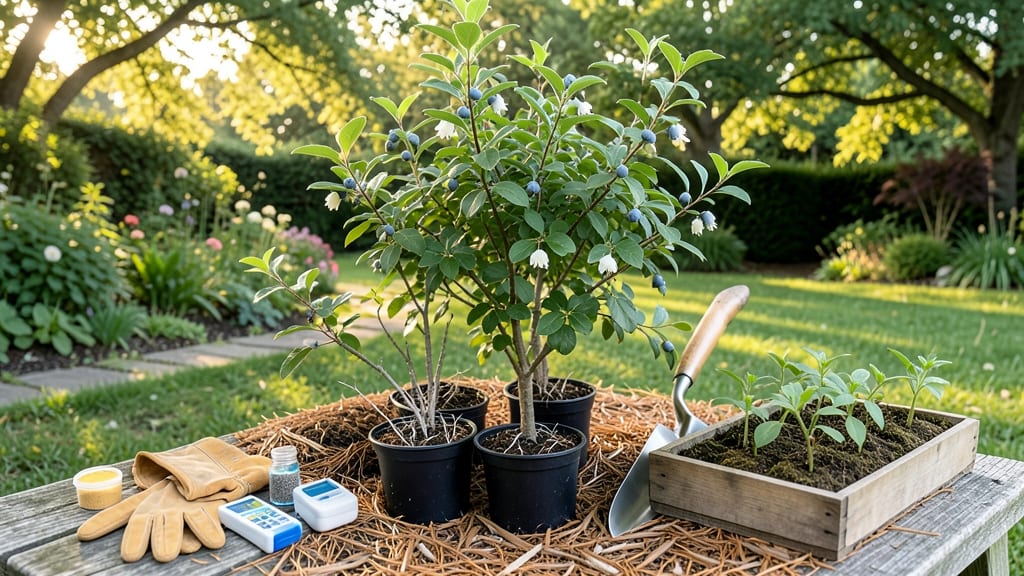
Planting blueberries in Seattle requires timing them with the 700–1,000 chill-hours they need and avoiding late frosts that can kill young plants.
Seattle’s cool, wet climate makes blueberry planting a delicate balance—plant too early and risk frost damage, too late and miss the ideal growing window. Get the timing right, and you’ll enjoy a bountiful harvest of sweet, locally grown berries 🫐.
Most gardeners here opt for fall planting (October–December) when the soil is workable but still cool, giving roots time to establish before winter. Spring planting (March–April) is riskier unless you’re using container-grown plants, which adapt faster to warmer soil.
Below, I’ll break down the best months for your blueberries, how to prep acidic soil for Seattle’s USDA Zone 8a, and what to watch for after planting—including how to protect them from our famously unpredictable spring frosts.
Seattle’s frost-free dates and chill-hours for blueberry planting
Seattle’s cool maritime climate creates unique challenges for growing blueberries. Unlike warmer regions, our 700–1,000 chill-hours requirement must align with frost-free windows to ensure successful planting. Missing this balance can stunt growth or kill young plants before they establish roots.
Most of Seattle falls within USDA Zone 8a, where the average last frost date ranges from April 15 to May 15. However, microclimates—like the warmer Eastside or cooler Puget Sound areas—can shift these dates by 2–3 weeks.
Understanding these variations helps you choose the right planting window for your location.
Blueberries need chill-hours (temperatures between 32–45°F) to break dormancy and flower. Seattle’s winter chill accumulation typically meets this need, but urban heat islands or mild winters may reduce chill-hours. Varieties like ‘Duke’ or ‘Jersey’ thrive here because they’re bred for moderate chill requirements.
Here’s how Seattle’s regional microclimates affect your planting timeline:
| Region | Last Frost Date | Chill-Hours Range | Best Planting Window | Notes |
|---|---|---|---|---|
| Puget Sound (West Seattle, Bainbridge) | April 22–May 5 | 800–1,000 hours | October–March (bare-root) or April 1–15 (containerized) | Cooler, wetter; prioritize drainage |
| Eastside (Bellevue, Kirkland) | April 15–April 30 | 700–900 hours | November–February (bare-root) or April 15–May 1 | Warmer microclimate; watch for early bud break |
| Urban Heat Islands (Downtown, South Seattle) | April 20–May 10 | 600–800 hours | October–January (bare-root) or April 10–20 (containerized) | Select low-chill varieties; mulch heavily |
| North Seattle (Ballard, Shoreline) | April 25–May 10 | 850–1,000 hours | October–March (bare-root) or April 1–10 (containerized) | Cooler nights; extend season with frost cloth |
For bare-root plants, aim to plant between October and March when the ground isn’t frozen. This gives roots time to establish before spring bud break. Containerized plants, however, can handle early spring planting (April–May) as long as you protect them from late frosts using frost cloth.
If you’re in a warmer microclimate like the Eastside, avoid planting after April 15—your chill-hours may be insufficient for varieties like ‘Bluecrop.’ Instead, opt for low-chill varieties such as ‘Top Hat’ or ‘Sunshine Blue,’ which thrive with 500–700 chill-hours.
Seattle’s wet springs can delay planting, but don’t wait until after May 15. Soil temperatures rise slowly, and young blueberry plants struggle to root in cool, soggy conditions. Amend your soil with compost and sulfur to lower pH to 4.5–5.5—this is critical for nutrient uptake.
Monitor local frost forecasts from the National Weather Service or Seattle Tilth. A single late frost can kill new growth, so have row covers ready if planting in late April or early May.
With the right timing, your blueberries will reward you with juicy, homegrown berries by June or July.
🌱
Best months to plant blueberries in Seattle: bare-root vs. containerized plants
Seattle’s cool, wet climate creates unique challenges for blueberry planting. The right timing ensures strong root establishment before summer heat or winter frost. For bare-root plants, fall and winter offer cooler soils and adequate moisture, while containerized plants thrive in spring’s milder temperatures.
Let’s break down the best windows for each type.
Bare-root blueberries should be planted between October and March when the ground isn’t frozen. This dormant period allows roots to establish before spring growth. Containerized plants, however, prefer April to May planting when soil warms up but isn’t yet too dry.
Seattle’s rainy season means consistent moisture, but proper drainage is critical to prevent root rot.
Bare-Root vs. Containerized Blueberry Planting
Bare-Root Plants
- Pros: Cheaper, easier to transport, better root development in cool soil
- Cons: Requires immediate planting, limited selection, vulnerable to frost damage
Containerized Plants
- Pros: Wider variety, less transplant shock, can plant anytime soil isn’t frozen
- Cons: More expensive, may need root pruning, requires careful watering
Best Planting Times
Bare-Root: Oct-Mar (avoid frost)
Soil Prep: Amend with peat moss to reach pH 4.5-5.5
Containerized: Apr-May (warmer soil)
Watering: Deep soak 2-3x/week after planting
Before planting, test your soil’s acidity level—blueberries demand pH 4.5-5.5. If your soil is too alkaline, amend it with sulfur or peat moss 2-3 months before planting. For containerized plants, use a well-draining acidic mix with perlite.
Seattle’s Pacific Northwest climate means you’ll rarely need to water heavily, but newly planted blueberries still require consistent moisture.
After planting, mulch with pine needles or wood chips to maintain soil acidity and retain moisture. In Seattle’s cool, damp winters, mulch also protects roots from temperature fluctuations. For bare-root plants, bury the roots slightly deeper than they were in the nursery to encourage stability.
Containerized plants should be planted at the same depth as they were in their pots.
Monitor your blueberries for early signs of stress, like yellowing leaves or stunted growth. These often indicate poor drainage or incorrect pH. Adjust care accordingly—Seattle’s variable microclimates mean your Eastside garden may behave differently from a Puget Sound location.
With the right timing and prep, your blueberries will thrive and reward you with juicy, homegrown berries by next summer.