
Companion Plants
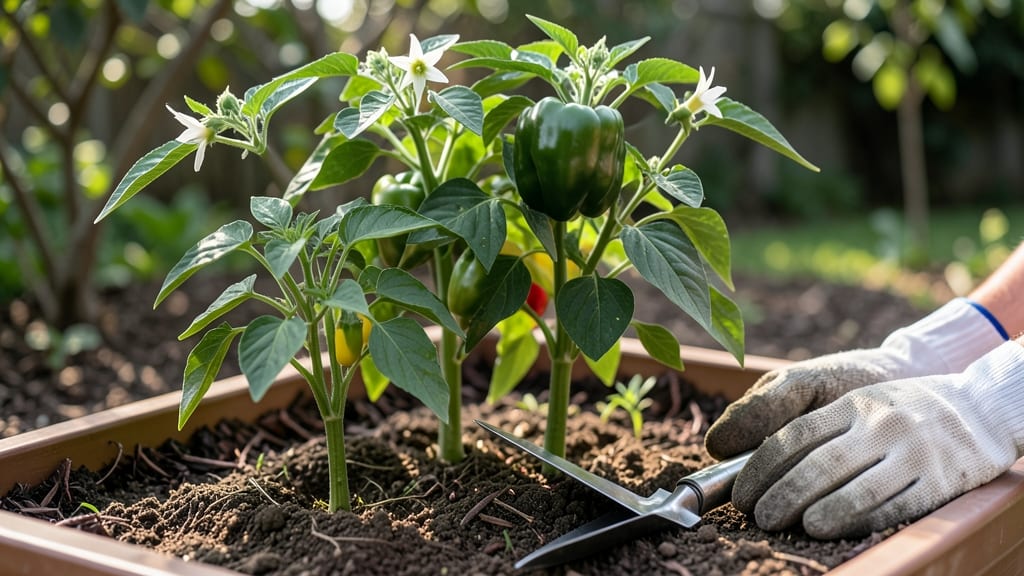
To plant bell peppers in Pennsylvania at the right time means starting them indoors 8-10 weeks before your last frost—typically early March for most regions.
Bell peppers 🌶️ thrive in Pennsylvania’s warm summers—but planting them too early or late can mean stunted growth, poor yields, or even total failure. Timing is everything, and getting it right means the difference between a bumper crop and a disappointing harvest.
If you’ve ever watched your seedlings wilt under a late spring frost or seen peppers struggle in the heat, you know how critical the window is. The key is balancing soil warmth, frost risk, and transplant readiness—especially in PA’s varied zones.
Below, I break down the exact weeks to start indoors, outdoor planting dates by region, and how to adjust for unpredictable springs. You’ll learn how to avoid common mistakes and maximize your harvest from July to October.
Best weeks before last frost to start bell peppers indoors in Pennsylvania
Pennsylvania’s last frost dates vary dramatically—from early April in Philadelphia to late May in the Poconos. For bell peppers, which need warm soil (60°F+) and 80+ days to mature, starting indoors is your best bet. My rule?
Begin seeds 8-10 weeks before your average last frost date—but adjust for your microclimate. For example, Pittsburgh gardeners should start by March 15, while Erie’s cooler zone works better with a late March start.
Bell pepper seeds germinate best in 75-85°F soil, so use a seedling heat mat if your home stays chilly. I’ve found that biodegradable pots reduce transplant shock, and keeping humidity high with a clear plastic dome speeds up germination.
Once sprouts appear (usually in 7-14 days), move them to a sunny windowsill or under grow lights for 12-14 hours/day.
| Region | Avg. Last Frost | Start Seeds By | Transplant Ready | Soil Temp. Goal |
|---|---|---|---|---|
| Philadelphia | April 15 | March 1 | May 1 | 60°F+ |
| Pittsburgh | April 25 | March 15 | May 10 | 60°F+ |
| Erie | May 10 | Late March | May 25 | 60°F+ |
| State College | May 5 | March 20 | May 15 | 60°F+ |
Hardening off seedlings is critical—especially in PA’s unpredictable springs. I harden off my peppers 10-14 days before transplanting by placing them outdoors in partial shade for 2-3 hours/day, gradually increasing exposure.
For late-starting regions like Erie, use row covers or a cold frame to extend the season by 2-3 weeks. Black plastic mulch also warms soil 5-10°F faster, helping peppers thrive in cooler areas.
If you’re in a warmer microclimate (like Lancaster County), you can push transplanting to late April—but monitor nighttime temps. Peppers wilt dramatically below 50°F, so have frost cloth ready.
I’ve successfully grown peppers in Philadelphia’s Zone 7b by transplanting early May and using drip irrigation to maintain even moisture during heatwaves.
For slow-germinating seeds, try soaking them in lukewarm water for 4-6 hours before planting. I’ve had 90%+ germination rates with this trick. Once seedlings have 2-3 true leaves, thin or transplant them into 3-inch pots to prevent root binding.
Overcrowded seedlings develop weak stems that snap easily during transplanting—something I learned the hard way after losing half my first batch!
PA’s microclimates mean your neighbor’s success might not work for you. For example, Philadelphia’s urban heat island can push last frosts 1-2 weeks earlier than rural areas. Check local Almanac frost dates and adjust your timeline by ±5 days based on recent years’ patterns.
If you’re unsure, err on the side of starting later—peppers handle transplanting better than being rushed.
After transplanting, mulch heavily with straw to retain moisture and fertilize lightly with a balanced 10-10-10 mix. Avoid high-nitrogen fertilizers—they promote leafy growth over fruit. I’ve found that side-dressing with compost every 4-6 weeks keeps peppers productive until first frost.
In short-season areas, opt for fast-maturing varieties like ‘Early California Wonder’ (
Outdoor planting dates for bell peppers in PA by region (with soil temperature rules)
Pennsylvania’s diverse climate means bell pepper planting dates vary dramatically by region. In the Southwest (USDA Zone 7a), you can transplant seedlings as early as late April, while the Northeast (Zone 5b) often waits until mid-to-late May.
The key? Soil temperature—bell peppers need at least 55°F to thrive, and black plastic mulch can help warm cold soils by 5-10°F faster.
Use a soil thermometer to confirm readiness—planting in cooler soils leads to poor root growth and blossom-end rot. My rule of thumb: Wait until nighttime temps stay above 50°F consistently.
In Southeast PA, this usually aligns with May 1-15, while Erie or Pittsburgh may need to delay until late May.
Here’s how to calculate your exact window: Subtract 140 days from your average first frost date (October 15 for most of PA) to find your last safe transplant date. For example, if frost hits October 15, your cutoff is May 26.
But if you’re in Zone 6, like Lancaster, you might push it to June 1 for slower varieties.
| Region | USDA Zone | Ideal Transplant Window | Risky Late Planting | Soil Temp Rule | Black Mulch Benefit |
|---|---|---|---|---|---|
| Southwest PA (Pittsburgh, Erie) | Zone 6a-7a | April 25 – May 15 | After May 20 (short season risk) | Soil ≥ 55°F (use mulch to warm faster) | Adds 5-8°F to soil; extends season by 2-3 weeks |
| Southeast PA (Philadelphia, Reading) | Zone 6b-7a | May 1 – May 15 | After May 25 (late blooms, fewer peppers) | Soil ≥ 58°F (warmer nights needed) | Speeds up warming by 7-10 days vs. bare soil |
| Northeast PA (Scranton, Wilkes-Barre) | Zone 5b-6a | May 15 – June 1 | After June 10 (minimal harvest before frost) | Soil ≥ 60°F (colder soils slow growth) | Critical for early starts—adds 3-5°F immediately |
*Risky windows assume average frost dates but may shift 1-2 weeks with late springs.
Pro tip: If your soil is too cold for peppers, try container gardening with 5-gallon pots. Containers warm up faster and let you move plants to sunnier spots or even indoors if a late frost hits.
I’ve had success with Jalapeño and Bell Boy varieties in containers, even in Zone 5b.
For extended harvests, plant a second crop in early July (if your season runs late). Choose fast-maturing varieties like ‘Sweet Banana’ (60 days) or ‘Carmen’ (65 days) to ensure peppers ripen before first frost. Just remember: July plantings need row covers by mid-September to protect tender plants.
Don’t guess—use a soil thermometer and local frost data (check Almanac.com for your town). A few extra weeks of patience now mean bigger peppers and longer harvests all summer long. 🌶️