
Plants
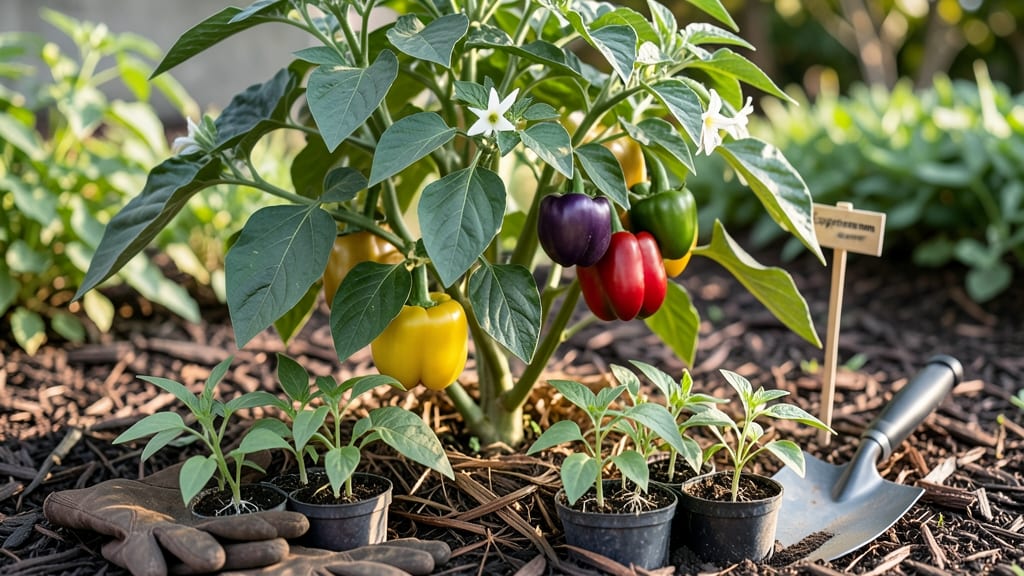
Planting bell peppers in Washington State after the last frost — typically late April in Western WA and early May in Eastern WA — sets you up for a harvest that rivals the grocery store’s best.
But here’s the catch: Washington’s climate is a wild card. Coastal areas like Puget Sound stay chilly longer, while the Columbia Basin bakes by June. Get the timing wrong, and you’ll either lose plants to frost or watch them bolt in the heat before they ripen.
This guide breaks down the exact planting windows for your microclimate, whether you’re in the mountains, the valleys, or the urban heat islands. We’ll also cover how to cheat the clock with row covers, heat-loving varieties, and soil tricks to keep your 🌶️ thriving until October.
Skip the guesswork and learn how to time it right for peppers that taste like summer, even when Washington’s weather tries to sabotage you.
Optimal planting dates for bell peppers by Washington microclimate
Bell peppers thrive in Washington’s long summer days, but timing is everything. Western WA’s cooler coastal zones and Eastern WA’s hotter inland valleys demand different strategies. The key? Planting after your last frost date when soil hits 70°F+—a threshold critical for germination and growth.
In my Puget Sound garden, I’ve learned that even a week off can mean the difference between a bountiful harvest and stunted plants.
Washington’s microclimates create distinct planting windows. Coastal areas like Olympia and Bellingham have later frost dates, while Spokane and Wenatchee can plant earlier due to warmer soils. For home gardeners, understanding these nuances ensures your peppers get the 6-8 hours of sunlight they crave daily.
Let’s break down the perfect planting dates for your region.
| Region | Last Frost Date | Optimal Planting Window | Soil Temp Threshold | Harvest Window |
|---|---|---|---|---|
| Western WA (Coastal: Olympia, Bellingham) | April 15 - May 1 | May 15 - June 15 | 70°F+ (use black plastic mulch) | July - October |
| Puget Sound (Seattle, Tacoma) | April 20 - May 5 | May 20 - June 10 | 68°F+ (warmer microclimates) | July - September |
| Eastern WA (Spokane, Wenatchee) | May 1 - May 15 | May 10 - June 1 | 65°F+ (drier soils warm faster) | August - October |
| Mountain Regions (Snoqualmie, Leavenworth) | May 10 - May 25 | June 1 - June 15 | 72°F+ (higher elevations) | July - September |
🌱 Note: Adjust dates 1-2 weeks earlier for container growing or later for high-elevation gardens.
In Western WA’s coastal fog belt, I’ve found that late May planting works best. The Pacific Ocean’s cooling effect delays soil warming, so I always check soil temps with a thermometer—never assume!
For Puget Sound gardeners, aim for May 20th to avoid late frosts that can devastate young seedlings. My Seattle garden thrives with ‘Carmen’ peppers, a variety that tolerates cooler nights.
Eastern WA’s drier climate means soils warm faster, so you can plant 2 weeks earlier than coastal areas. In Spokane’s Zone 6b, I start seeds indoors by April 1st for transplants by May 10th.
The ‘Apache’ variety excels here—its heat tolerance ensures peppers ripen before autumn’s first frost. For high-elevation gardens, like those in the Cascade Mountains, wait until June 1st to plant, as cooler nights slow growth.
Don’t forget: Soil temperature matters more than air temperature. Use black plastic mulch to warm soil faster in cooler zones. My coastal garden sees 3-4°F warmer soil temps with this trick.
For container growers, choose heat-loving varieties like ‘Jupiter’ and plant in black pots to absorb sunlight. Always harden off seedlings for 7-10 days before transplanting to prevent shock.
Pro tip: Succession planting extends your harvest. In Puget Sound, I sow a second batch in early July for fall peppers. Use row covers to protect young plants from late-summer pests like aphids.
For Eastern WA’s shorter season, prioritize fast-maturing varieties like ‘Early California Wonder’ (60 days to harvest).
Timing isn’t just about dates—it’s about reading your garden’s signals. Watch for new leaf growth after transplanting; if leaves yellow,
How to extend the growing season for bell peppers in Washington’s short summers
Washington’s summers are short but sweet—if you know how to stretch them. Bell peppers need 120–150 frost-free days to mature, but many regions hit first frost by mid-October. That leaves little room for error if you’re not strategic.
The good news? With the right tools and timing, you can push harvests into October or even November, especially in milder microclimates like Puget Sound or the San Juan Islands.
My secret weapon? A mix of heat-tolerant varieties, season-extending tools, and succession planting. For example, the ‘Apache’ pepper thrives in heat and can handle temperatures up to 95°F, while ‘Carmen’ matures quickly (just 60 days) for a late-summer rush.
Pair these with cold frames or row covers, and you’ll be harvesting peppers long after your neighbors have given up.
Here’s my step-by-step plan to cheat Washington’s early frosts and keep your 🌶️ plants producing until fall:
- 🔥 Choose heat-tolerant varieties like ‘Apache’ or ‘Carmen’ (both handle 90°F+ and ripen fast). Avoid tropical types that wilt in WA’s heat.
- 🛡️ Use floating row covers in early spring/late fall to add 5–10°F protection. Secure edges with soil or bricks to prevent wind damage.
- ☀️ Install a cold frame (clear plastic or glass) over plants in September to trap heat. Ideal for Puget Sound gardens where nights dip to 45°F.
- 🌱 Practice succession planting: Sow short-season varieties like ‘Early California Wonder’ every 2–3 weeks from May to July for staggered harvests.
- 💧 Mulch with straw or black plastic to keep soil 10°F warmer and retain moisture. Black plastic also suppresses weeds and speeds soil warming in spring.
Don’t overlook soil preparation—amend beds with compost and aged manure in early spring to boost fertility. Bell peppers are heavy feeders, and nutrient-rich soil helps them recover from heat stress. I also recommend side-dressing with compost tea every 4 weeks to keep plants vigorous.
For urban gardeners in Spokane or Yakima, where summers are hot but short, focus on early maturing varieties and shade cloth during peak afternoon heat. Even a 30% shade cloth can prevent blossom drop in 100°F+ temperatures.
And if you’re in the coastal fog belt, prioritize full-sun locations—peppers need 6–8 hours of direct light daily, even if it’s overcast.
With these tricks, I’ve harvested bell peppers well into November in my Zone 7b garden near Olympia. The key? Start early, protect late, and never underestimate the power of a good row cover on a chilly September night. Your taste buds—and your neighbors—will thank you.