
Plants
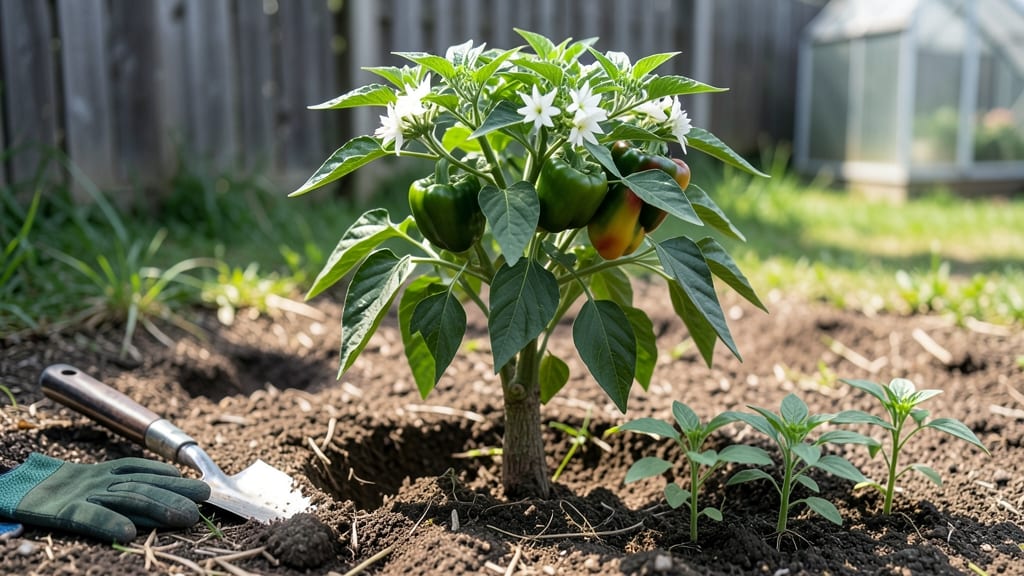
Planting bell peppers in Michigan after the last frost—typically between April 15 and May 15—is your best shot at a bountiful harvest before fall’s chill sets in.
Michigan gardeners know timing is everything—plant too early, and frost will kill your crop; too late, and you’ll miss the sweet harvest before fall’s chill. The key is balancing soil warmth (at least 60°F) with frost risk, which varies wildly from the Upper Peninsula to Southern Michigan.
You’ll want to start seeds indoors 8–10 weeks before your last frost date, then transplant seedlings once nighttime temps stay above 55°F. This ensures your 🌶️ bell peppers have enough time to mature before Michigan’s first frost in October.
Below, I’ll break down exact planting windows by region, the best heat-loving varieties for your zone, and pro tips to protect your peppers from late frosts and cool nights—so you can enjoy a harvest from July through October.
Michigan’s last-frost dates by region: exact timing for bell pepper planting
Bell peppers are heat-lovers that need consistent warmth to thrive, making Michigan’s last-frost dates your planting deadline. The Great Lakes’ climate creates microclimates, so your exact timing depends on whether you’re in the Upper Peninsula, Northern Lower Peninsula, or Southern Michigan.
Let’s break down the region-specific frost-free windows and how to use them for perfect pepper planting.
First, check your USDA Plant Hardiness Zone (Michigan ranges from Zone 4b to Zone 6b). While zones give a baseline, soil temperature is the real game-changer—bell peppers need 55°F+ soil to germinate and 60°F+ to thrive.
Use a soil thermometer to confirm readiness, especially in cooler regions where frost lingers.
Below is your region-by-region last-frost guide, including average dates, historical data, and microclimate adjustments. Remember: these are average dates, not guarantees—always monitor your local forecast and harden off seedlings before transplanting.
| Region | Last Frost Date (Avg.) | Soil Temp Threshold | Planting Window | Microclimate Adjustment |
|---|---|---|---|---|
| Upper Peninsula (UP) | May 10–15 | 60°F+ (warmer sites) | May 20–June 5 | Wait for 3 consecutive warm days above 65°F |
| Northern Lower Peninsula (NLP) | May 1–10 | 55°F+ (minimum) | May 15–25 | Use black plastic mulch to warm soil faster |
| Southern Michigan (SM) | April 25–May 5 | 50°F+ (earlier risk) | May 1–15 | Urban areas may frost 1–2 weeks later than rural |
| All Regions | — | — | Start seeds indoors 8–10 weeks before last frost | Transplant after May 15 for UP, May 1 for NLP/SM |
🌡️ Pro Tip: Use a soil thermometer—bell peppers won’t germinate below 55°F, even if air temps are warm.
For the Upper Peninsula, patience is key. The May 10–15 last-frost average often feels optimistic—wait until soil hits 60°F and nighttime temps stay above 50°F. In Marquette or Houghton, consider starting seeds indoors by March 15 to give peppers a head start.
If you’re near Lake Superior, frost can linger until late May due to lake breezes.
In the Northern Lower Peninsula (think Traverse City or Gaylord), you’ve got a slightly earlier window, but soil warmth varies dramatically. Test your garden bed—if it’s below 55°F, delay planting or use row covers to create a microclimate.
The May 1–10 last-frost date is a guideline, but late April frosts still happen, especially in sandy soils that cool quickly.
Southern Michigan gardeners enjoy the earliest windows, but don’t rush—April 25–May 5 is the average last frost, but urban areas like Detroit can frost until mid-May.
If you’re in Zone 6a/b, you might squeeze in two pepper plantings: one in early May and another in late June for a fall harvest. Just ensure 120+ frost-free days remain for maturity.
Use the USDA Plant Hardiness Zone Map to pinpoint your exact zone, but don’t rely solely on it. For example, a Zone 5b garden near a south-facing wall might warm up 2 weeks earlier than a Zone 6a field.
Always monitor local weather and adjust your planting date by 1–2 weeks if your area has a history of late frosts.
Once you’ve nailed your planting window, focus on soil prep. Bell peppers love well-draining, fertile soil with a pH of 6.0–6.8. Amend your beds with compost or aged manure 2–4 weeks before planting, and consider mulching with straw to retain heat.
In cooler regions, black plastic mulch can raise soil temps by 5–10°
Best heat-loving bell pepper varieties for Michigan’s short growing season
Michigan’s short growing season and cool nights make choosing the right bell pepper varieties critical. You need fast-maturing types that tolerate heat and resist disease—like Early Cal Wonder or Jupiter.
These varieties thrive in USDA Zones 5b-6b while producing sweet, vibrant peppers before frost hits. With 60-75 days to maturity, they’re perfect for Michigan’s 165-day frost-free window.
Sweet peppers like ‘Carmen’ and ‘Aristotle’ are crowd-pleasers, while hot varieties such as ‘Jalapeño M’ add spice to your garden. The key is balancing heat tolerance with early productivity.
For example, ‘Early Cal Wonder’ matures in just 60 days, giving you a head start in Southern Michigan where summers are longer.
🌱
🌶️ Sweet vs. Hot Pepper Varieties for Michigan
Sweet Peppers
- ‘Early Cal Wonder’ – 60 days, disease-resistant, blocky shape
- ‘Carmen’ – 70 days, thick walls, heat-tolerant
- ‘Aristotle’ – 65 days, smooth skin, prolonged harvest
✅ Best for short seasons; resist blight.
Hot Peppers
- ‘Jupiter’ – 65 days, jalapeño-type, disease-resistant
- ‘Jalapeño M’ – 75 days, spicy kick, compact plant
- ‘Lunchbox’ – 60 days, mini size, great for containers
✅ Ideal for late-season heat; smaller footprint.
Pro Tip: Use row covers or greenhouses to extend the season by 2-3 weeks for late varieties like ‘Carmen’.
For Northern Michigan, prioritize ‘Early Cal Wonder’ or ‘Lunchbox’—both mature quickly and handle cooler soils. In Southern Michigan, you can push the envelope with ‘Carmen’ or ‘Aristotle’, which thrive in warmer microclimates near lakes or urban heat islands.
Always start seeds indoors 8-10 weeks before your last frost date to maximize your harvest window.
Disease resistance is non-negotiable in Michigan’s humid summers. Varieties like ‘Jupiter’ and ‘Aristotle’ boast built-in resistance to bacterial spot and powdery mildew, two common threats. Pair this with black plastic mulch to warm the soil faster and reduce fungal spores at ground level.
Extend your season with low tunnels or cold frames. These tools add 5-10°F of warmth, letting you plant ‘Carmen’ or ‘Jalapeño M’ a week earlier. Just remove covers during daytime heat to prevent overheating. In greenhouses, you can even grow ‘Aristotle’ year-round with supplemental lighting.
🌿