
Plants
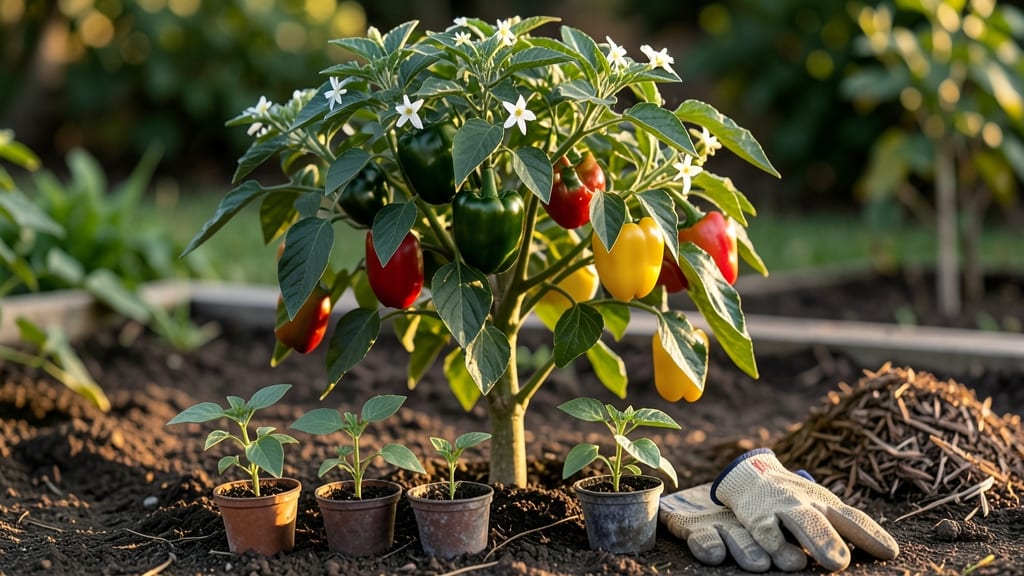
Planting bell peppers in Alabama after the last frost — typically mid-April to early June — ensures they thrive before summer’s brutal heat sets in.
Miss that window, and you’re stuck choosing between frost-killed seedlings or peppers struggling under 90-degree afternoons. The good news? Alabama’s long growing season lets you plant again in late July for a fall harvest, but timing is everything.
Below, I’ll break down the exact planting deadlines for your region, the best heat-tolerant varieties for Alabama’s climate, and how to adjust for containers or urban microclimates where heat lingers longer.
You’ll leave here knowing not just when to plant, but why those dates matter — and how to beat Alabama’s heat to get peppers that are sweet, plentiful, and ready to harvest by July.
Alabama bell pepper planting deadlines by region: last frost dates & heat zones
Alabama’s diverse climate means your bell pepper planting timeline depends heavily on your USDA hardiness zone and local microclimates. North Alabama’s Zone 7a faces later last frosts, while South Alabama’s Zone 8a-9a enjoys longer growing seasons.
Even within regions, urban areas often warm faster than rural spots due to heat island effects from pavement and buildings.
For all regions, aim to plant bell peppers after soil reaches 60°F+—cold soil delays germination. Seedlings transplanted too early risk stunted growth or death from unexpected late frosts. Conversely, planting too late in summer can expose young plants to heat stress before they establish roots.
In North Alabama (Zone 7a), where last frosts linger until early May, start seeds indoors by March 15 for transplanting after May 10. Rural areas like Huntsville typically have 10-14 days later last frosts than urban Birmingham, so monitor local weather reports closely.
For a fall harvest, plant seeds by July 1 to avoid summer’s peak heat.
Central Alabama’s Zone 7b-8a (e.g., Montgomery or Auburn) offers a longer window.
Begin outdoors by April 15 when soil warms to 60°F, but protect seedlings with row covers if nights dip below 50°F. Fall planting succeeds if seeds go in by July 15—peppers need 75-90 days to mature before first frost (typically November 15).
South Alabama’s Zone 8a-9a (e.g., Mobile or Dothan) allows early starts as soon as March 20, but heat tolerance becomes critical. Varieties like 'Carolina Wonder' handle 95°F+ better than standard types.
For fall crops, plant by June 20 to harvest before December frosts, which are rare but possible in microclimates near coastal breezes.
Adjust for microclimates: Urban gardens in Birmingham or Huntsville may need 1-2 weeks earlier planting due to heat island effect, while shaded areas or north-facing beds stay cooler. Test soil temperature with a thermometer—bell peppers won’t germinate below 60°F, even if air temps are higher.
For container gardening, extend your window by 2-3 weeks—pots warm faster than soil. Place containers in south-facing spots and use black plastic mulch to raise soil temps by 5-10°F.
In Zone 7a, this lets you plant as early as April 15 in containers, compared to May 10 in-ground.
Watch for heat stress signs like yellowing leaves or blossom drop after transplanting. If temps exceed 90°F for 3+ days, provide afternoon shade cloth (30-50% shade) until plants acclimate. Mulch with straw or wood chips to keep roots cool and retain moisture.
Pro tip: Use a planting calendar from your local Alabama Cooperative Extension office for hyper-localized advice. Their frost maps account for 30-year averages and microclimate variations better than generic zone guides. For example, Gadsden (Zone 7a) might align more with Central
Heat-tolerant bell pepper varieties that thrive in Alabama’s climate
Alabama’s sweltering summers and humid heat demand bell pepper varieties that can handle 90°F+ temperatures without wilting. The right heat-tolerant varieties produce abundant harvests while resisting common diseases like bacterial spot and powdery mildew.
My top picks for Alabama gardens combine disease resistance, high yields, and adaptability to the state’s USDA Zones 7a-9a.
When selecting seedlings from local Alabama nurseries, look for healthy, stocky plants with dark green leaves and no signs of pests. Avoid transplant shock by choosing hardened-off seedlings (acclimated to outdoor conditions) and planting them in the late afternoon to reduce stress.
I always water deeply at transplanting to help roots establish quickly in Alabama’s clay-heavy soils.
Carolina Wonder is my go-to for Alabama gardens—it thrives in humid heat and produces large, sweet fruits in 60-75 days. This heirloom variety handles Alabama’s summer humidity better than most hybrids, making it perfect for Central Alabama’s Zone 8a. I’ve grown it in Mobile and Birmingham with consistent success, even during 95°F heatwaves.
Jupiter is a disease-resistant powerhouse that produces thick-walled peppers ideal for frying and grilling. It matures in 70 days and handles South Alabama’s Zone 9a heat exceptionally well. Look for deep green, glossy leaves when selecting seedlings—this indicates strong disease resistance. I always pair it with mulch to retain moisture during dry spells.
Aristotle stands out for its extra-large fruits (up to 12 ounces) and exceptional heat tolerance. This hybrid variety produces red, yellow, and orange peppers and thrives in North Alabama’s Zone 7a. For best results, plant it in well-draining raised beds to prevent root rot from Alabama’s clay soils. I’ve seen it yield 20+ peppers per plant in Montgomery’s heat.
For spicy lovers, NuMex Bernardina delivers medium heat (30,000-50,000 SHU) and prolonged fruiting through Alabama’s fall harvest season. It’s drought-tolerant once established, making it ideal for water-conscious gardeners. Always prune suckers to direct energy to fruit production rather than foliage.
Finally, Red Knight is a blocky, sweet pepper perfect for stuffing and roasting. It handles late-summer heat well and produces uniform, glossy fruits. When selecting seedlings, choose those with compact growth habits to maximize garden space in Alabama’s small urban plots.
I recommend side-dressing with compost every 4-6 weeks to maintain productivity.