
Plants
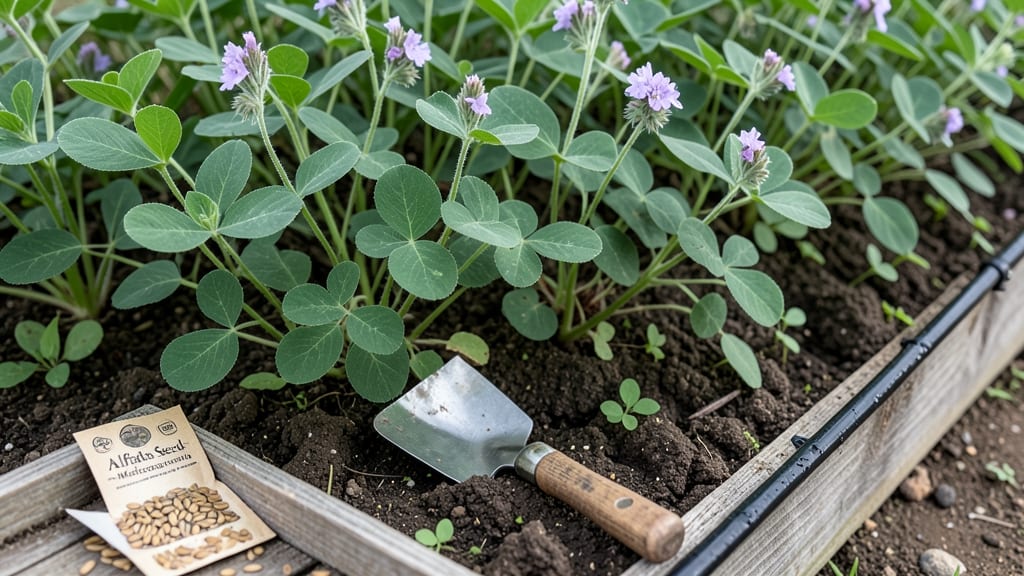
Planting alfalfa in Texas at the right time means the difference between a high-protein forage crop and a bolting disaster 🌱 — and the exact months depend on your chill-hour zone.
Texas farmers know alfalfa’s success hinges on precise timing. Get it wrong, and bolting ruins your yield. But with the right chill-hour zone and month-by-month strategy, you can lock in lush, high-protein forage year after year.
North Texas (Zone 8a) needs cooler fall planting, while South Texas (Zone 10b) can handle early spring. Soil temperatures below 60°F trigger germination, but frost dates vary wildly — from February in the Panhandle to March in Central Texas.
Here’s how to pinpoint your ideal planting window, adjust for drought, and avoid the two biggest mistakes that kill alfalfa stands before they even start.
Texas alfalfa planting by chill-hour zone: exact months to avoid bolting
Planting alfalfa in Texas requires precision—especially when it comes to chill-hour accumulation. This hardy forage crop thrives when exposed to 300-600 chill hours (temperatures between 32°F and 45°F) before spring growth.
Skip this step, and you risk premature bolting, turning your high-protein crop into bitter seed stalks before harvest. Texas’ diverse climate—from North to South—means your planting window varies by 6+ weeks depending on your USDA zone.
To nail timing, I’ll break down Texas into three key regions: North Texas (USDA 7b-8a), Central Texas (USDA 8a-8b), and South Texas (USDA 9a-10a).
Each has unique frost dates, soil temperatures, and chill-hour thresholds that dictate whether you should plant in fall (September-November) or early spring (February-March). Let’s dive into the exact months—and how to calculate your local chill accumulation for foolproof results.
| Region | Chill-Hour Zone | Best Planting Window | Avoid Planting After | Key Risk |
|---|---|---|---|---|
| North Texas (Lubbock, Amarillo) | 500-700+ | September 15–October 31 | November 15 (frost risk) | Early bolting from heat stress |
| Central Texas (Austin, San Antonio) | 300-500 | October 1–November 15 | December 1 (frost likely) | Insufficient chill hours |
| South Texas (Corpus Christi, Brownsville) | 0-200 | February 1–March 15 | April 1 (heat spikes) | Bolting from spring warmth |
| All Regions (Spring Backup) | N/A | February 15–March 15 | April 1 (bolting risk) | Reduced yield from heat |
For North Texas, where chill hours exceed 500+, aim to plant alfalfa seeds between mid-September and Halloween. This gives plants time to establish roots before winter while accumulating enough chill hours to prevent premature bolting in spring.
Use a soil thermometer—ideal planting temps are 60°F-75°F. If you miss fall, your backup window is mid-February, but yields may suffer due to heat stress.
In Central Texas, where chill hours range from 300-500, stretch your planting to early November. The key here is avoiding December frosts, which can damage young seedlings. I recommend covering seeds with straw mulch if a frost warning pops up.
If you’re in USDA Zone 8b (e.g., San Antonio), you can push planting to November 15—just monitor chill-hour accumulation closely.
South Texas gardeners have the shortest chill-hour window (often 0-200 hoursspring planting is your only viable option. Seed alfalfa between February 1 and March 15, targeting 60°F soil temps. The risk here isn’t frost—it’s bolting from heat.
Once temps hit 85°F+, growth slows, and plants bolt prematurely. To combat this, use shade cloth during peak afternoon heat or opt for drought-resistant varieties like ‘CUF 101’.
But how do you know if your area has hit the right chill-hour threshold? Grab a chill-hour calculator (like the one from Texas A&M AgriLife) and plug in your daily lows. For example, if your
Step-by-step alfalfa planting calendar for Texas farmers (with soil prep secrets)
Timing your alfalfa planting in Texas isn’t just about months—it’s about soil temperatures, chill hours, and avoiding heat stress or frost damage. My Texas-specific calendar breaks down the ideal windows from August through March, plus soil prep secrets to ensure 90%+ germination rates.
Skip the guesswork and plant for maximum yield.
Alfalfa thrives when soil temps stay between 60°F and 75°F—too hot or cold, and your seeds either bolt prematurely or rot before sprouting. In North Texas (Zone 8a), aim for September 1–October 15 or February 15–March 15.
For Central/South Texas (Zones 8b–10b), stretch your window to August 15–November 1 or January 15–March 1.
📅 Texas Alfalfa Planting Calendar
- 1
- 2
- 3
- 4
Pro tip: Use a soil thermometer to monitor temps—alfalfa seeds need 5–7 days of 60°F+ to germinate. If temps dip below 50°F, delay planting until spring. Companion planting with clover or oats also helps stabilize soil and reduce erosion during Texas’ erratic rains.
After planting, avoid tilling the soil—alfalfa has deep taproots that need undisturbed access. Instead, use a light mulch of straw or wood chips to retain moisture without smothering young shoots. Monitor for cutworms in humid regions; apply Bt spray preventatively if needed.
Remember: Bolting (premature flowering) is your biggest enemy in Texas’ heat. By sticking to these month-by-month thresholds and soil prep secrets, you’ll dodge bolting and harvest high-protein forage for years. Start your calendar now—your future herd (or compost pile!) will thank you.