
Planting
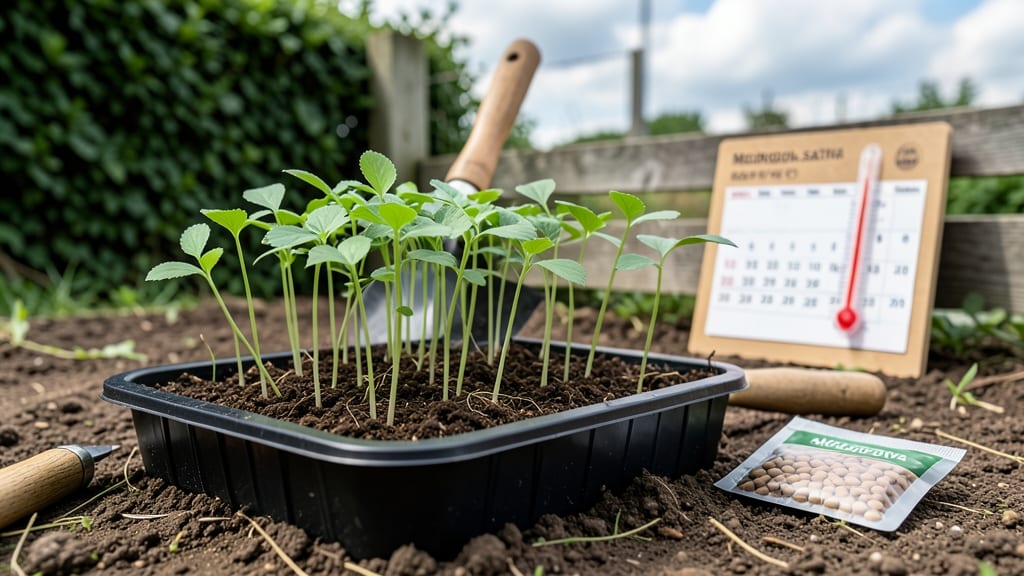
Planting alfalfa in spring when soil temperatures hit 50–60°F and the last frost has passed ensures strong germination and a healthy crop 🌱.
Timing your alfalfa planting just right can mean the difference between a thriving crop and a wasted effort—especially when frost, soil temperature, and hardiness zones all play a role.
In USDA Zone 6a, where many gardeners grow alfalfa, the ideal window is early to mid-spring, typically between March and April, after the ground warms and the risk of frost fades.
Below, I’ll break down the exact soil temp and frost-free deadlines by zone, plus soil prep tips and early-care steps to set your alfalfa up for success.
Optimal soil temperature and frost-free deadlines for planting alfalfa by USDA zone
Getting your alfalfa seeds in the ground at the right time is crucial for strong germination and robust growth. The key factors are soil temperature and frost-free dates, which vary dramatically across USDA hardiness zones 3-10.
In my experience, planting too early risks frost damage, while waiting too long can lead to poor establishment. Let’s break down the ideal planting windows for your region.
Alfalfa thrives when soil temperatures reach 50-60°F. Below 50°F, seeds may rot or fail to sprout, while above 60°F, germination speeds up but risks drying out. Most gardeners in USDA zones 4-7 aim for planting between mid-April and early May, aligning with local frost-free averages.
In warmer zones (8-10), you can start as early as February or March, while colder zones (3-4) may need to wait until late May.
Here’s a quick reference for your zone, including soil temperature thresholds and frost-free deadlines to guide your planting schedule:
| USDA Zone | Soil Temp Threshold | Frost-Free Deadline | Ideal Planting Window | Regional Notes |
|---|---|---|---|---|
| 3-4 | 55-60°F | Late May | Late May to early June | Wait for soil to warm; use row covers if frost lingers. |
| 5-6 | 50-55°F | Mid-April | Early to mid-April | Check soil temp with a thermometer; avoid planting before last frost. |
| 7-8 | 50-58°F | Early April | March to early April | Southern climates may experience early warmth; monitor weather forecasts. |
| 9-10 | 50-60°F | February | February to March | Plant early but avoid overwintering seeds; aim for consistent warmth. |
In Northern climates (zones 3-6), I’ve learned to prioritize soil temperature over calendar dates. Use a soil thermometer to confirm readings before planting. If your area has unpredictable frosts, opt for late April or early May to minimize risk.
For example, in zone 5, where I garden, I wait until mid-April when the soil consistently hits 52°F.
Southern gardeners in zones 7-10 enjoy an earlier start, often planting by February or March. However, avoid planting too early—alfalfa seeds can rot in cold, wet soil.
In zone 9, where my friend grows alfalfa, she plants in late February but uses mulch to retain moisture and warmth.
Regional variations matter! For instance, Pacific Northwest zones (6-7) may have cooler soils in spring, while Southwest zones (8-9) can plant earlier. Always check your local frost-free averages and adjust by 1-2 weeks if your spring is unusually early or late.
I keep a garden journal to track these patterns year after year.
Pro tip: If your soil is still too cold, consider starting seeds indoors 4-6 weeks before your target outdoor date. Transplant seedlings when soil warms to 50°F and nighttime temps stay above 40°F. This method works well for zone 4 gardeners like me, extending the growing season.
Remember, alfalfa is a hardy perennial, but its first year sets the foundation for future yields. Planting at the right time ensures strong root development and resilience against pests and drought. With the right timing, you’ll reap a nutrient-rich crop for years to come! 🌱
3 Critical factors that determine the best planting window for alfalfa
Getting your alfalfa seeds in the ground at the perfect moment in spring is like hitting a moving target—soil conditions, frost risks, and seed viability all shift rapidly. I’ve learned from years of planting trials that even a one-week delay can mean the difference between lush regrowth and stunted seedlings.
Let’s break down the three non-negotiable factors that will help you pinpoint your ideal planting window.
First, soil temperature is your silent partner in this process. Alfalfa seeds need consistent warmth between 50-60°F to germinate reliably. Cold, damp soil can leave seeds rotting in the ground, while soil that’s too warm might cause uneven sprouting.
I always test soil temps with a soil thermometer before planting—it’s the simplest way to avoid costly mistakes.
-
1. Soil Moisture
Keep soil evenly moist but not soggy—alfalfa roots need oxygen to establish. -
2. Frost Risk
Plant after your last frost date—late frosts can kill young seedlings. -
3. Seed Viability
Fresh seeds (1 year old) germinate faster than dried-out ones.
Next up is the risk of late frosts, which can turn your freshly planted seeds into an icy snack. I’ve seen this happen more than once in my Zone 6a garden—even after the official frost date, a surprise freeze can wipe out seedlings overnight.
To mitigate this, I always check the 10-day forecast and wait until nighttime lows are consistently above 40°F. For gardeners in cooler climates, using row covers can buy you an extra week or two of protection.
Finally, seed viability plays a sneaky role in your planting window. Fresh alfalfa seeds (especially organic or heirloom varieties) can sprout in just 7-14 days under ideal conditions, but older seeds may take 3-4 weeks or fail entirely.
I keep my seeds in a cool, dark place and label them with purchase dates—this helps me adjust my planting timeline. For example, if I’m using 2-year-old seeds, I might plant 2 weeks earlier to account for slower germination.
Adjusting for early vs. late spring conditions is where experience pays off. In years with a warm, early spring, I’ve planted alfalfa as early as late February in my region, but in cooler years, I’ve waited until mid-April.
The key is monitoring soil warmth and moisture levels—never just the calendar. I also keep a garden journal to track which years worked best for my specific microclimate.
Remember, alfalfa is a hardy perennial, but its first year sets the stage for future growth. By nailing these three factors—soil moisture, frost risk, and seed viability—you’ll give your crop the best possible start.
Once you’ve mastered the timing, you’ll be harvesting those nutrient-rich shoots in no time! 🌿