
Plants
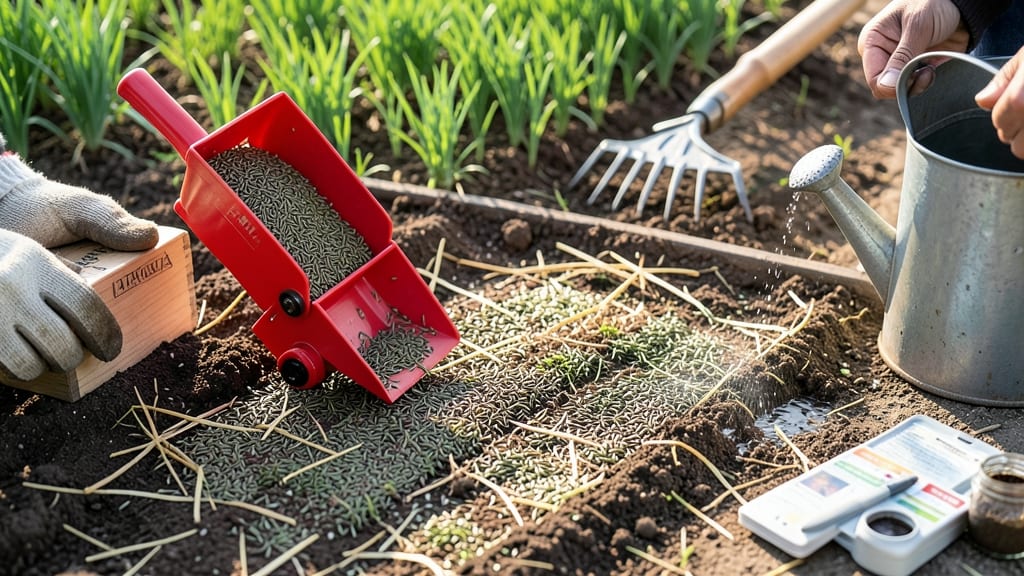
When is the best time to plant grass in the spring? Planting when the soil hits 50°F–65°F and frost is a distant memory is the fastest way to a thick, green lawn 🌱.
Timing your spring grass planting perfectly can mean the difference between a lush, green lawn and weeks of patchy, struggling growth—soil temperature and frost dates matter more than you think.
Cool-season grasses like Kentucky bluegrass or fescue thrive when planted 4–6 weeks before your last frost date, while warm-season types such as Bermuda or Zoysia wait until after the ground warms. Miss the window, and you risk slow germination or frost damage.
Below, I break down the exact soil temps to watch for, how to check your local frost-free timeline, and the 3 key signs your lawn is ready to go in—so you can skip the guesswork and get growing.
Optimal soil temperature for planting grass in spring
Getting your spring grass planting right starts with understanding soil temperature. Unlike air temperature, soil warmth directly impacts seed germination and root growth. For most grass types, the ideal soil temperature range is between 50°F and 65°F.
This window ensures seeds sprout quickly and roots establish firmly before summer heat arrives.
Cool-season grasses like Kentucky bluegrass and fescue thrive when soil temperatures hover around 50°F–60°F. Warm-season grasses such as Bermuda and Zoysia prefer slightly warmer soil, ideally 65°F–75°F. Planting too early in cold soil can lead to slow germination, while waiting too long risks heat stress or weed competition.
Here’s how to test your soil temperature accurately: Use a soil thermometer (available at garden centers) and insert it 4–6 inches deep—the depth where grass roots will grow.
Check temperatures in the morning (7–9 AM) when soil is most stable. If readings are below 50°F, wait a few days before planting.
Regional adjustments matter! In northern climates (USDA Zones 3–5), aim for early spring planting when soil warms to 50°F after the last frost. In southern zones (6–10), wait until soil cools slightly post-summer heat, targeting 60°F–65°F to avoid drought stress on young seedlings.
If you’re unsure about your local soil conditions, consider using a seed germination calculator or checking your USDA Plant Hardiness Zone. These tools provide tailored planting windows based on historical data.
For example, Zone 7 gardeners might plant cool-season grass in late March–early April, while Zone 4 wait until mid-May.
Pro tip: Mulch lightly with straw or compost after planting to retain soil warmth and moisture. This helps maintain optimal temperatures, especially in cooler climates where mornings can still dip below 50°F. Avoid heavy mulch layers, which can overheat soil in warmer regions.
| Grass Type | Optimal Soil Temp (°F) | Best Planting Window | Regional Adjustments |
|---|---|---|---|
| Cool-Season (Kentucky Bluegrass, Fescue) | 50°F–60°F | Early spring (4–6 weeks before last frost) | Northern zones: Plant by mid-April; Southern zones: Wait until May. |
| Warm-Season (Bermuda, Zoysia) | 65°F–75°F | Late spring (after soil warms post-frost) | Southern zones: Plant by early June; Northern zones: Delay until July. |
| Ryegrass (Fast-Germinating) | 45°F–60°F | Late winter/early spring (tolerates cooler soil) | Ideal for northern climates with short growing seasons. |
| Buffalo Grass (Drought-Tolerant) | 60°F–70°F | Mid-to-late spring (after frost risk passes) | Thrives in dry climates; plant when soil is consistently warm. |
🌱 Note: Always test soil depth (4–6 inches) for accurate readings.
For gardeners in transitional climates, like Zone 6 or 7, a hybrid approach works best. Start with cool-season grasses in early spring, then overseed with warm-season varieties in late summer.
This ensures year-round coverage and minimizes bare spots. Always water seeds lightly after planting to keep soil moist but not soggy.
If your soil feels too cold or dry, consider using a soil warming blanket or covering the area with clear plastic for a few days to raise temperatures naturally.
Just remove the cover once seeds are planted to avoid overheating. This trick is especially useful in early spring when mornings are still chilly.
Remember, consistent moisture is just as critical as soil temperature. Water deeply 2–3 times per week (about 1 inch total) to encourage strong root development.
Avoid overhead sprinklers, which can wash away seeds or promote fungal growth. A drip irrigation system or soaker hose works best for even moisture distribution.
By monitoring soil temperature and adjusting your planting schedule accordingly, you’ll give your new grass the best possible start. A well-timed planting means faster germination, fewer weeds, and a lush, green lawn by summer—no patchy growth in sight! 🌿
Frost-free timeline: how many days after last frost should you plant?
Knowing the exact window between your last frost date and planting grass is critical—cool-season grasses like Kentucky bluegrass need 4–6 weeks before frost to establish roots, while warm-season types like Bermuda grass wait until soil warms to 70°F+ 🌱. Your USDA zone determines everything.
For example, in Zone 5 (last frost: May 15), aim to plant cool-season grass by April 15. In Zone 8 (last frost: March 1), warm-season grass can go in by April 1. Miss this window, and you risk frost damage or slow germination.
Pro tip: Use the Almanac’s Frost Calculator to input your ZIP code and get a customized frost-free date. Then, subtract 4–6 weeks for cool-season grass or wait 2–4 weeks after last frost for warm-season types.
If you’re in a transition zone (e.g., Zone 7b), test soil moisture—dry soil warms faster than damp soil. Water lightly 24 hours before planting to help seeds germinate without washing them away.
Remember: Early planting risks frost damage, while late planting delays growth. Aim for that sweet spot where soil is warm, frost is gone, and weeds haven’t taken over yet ✂️.