
Plants
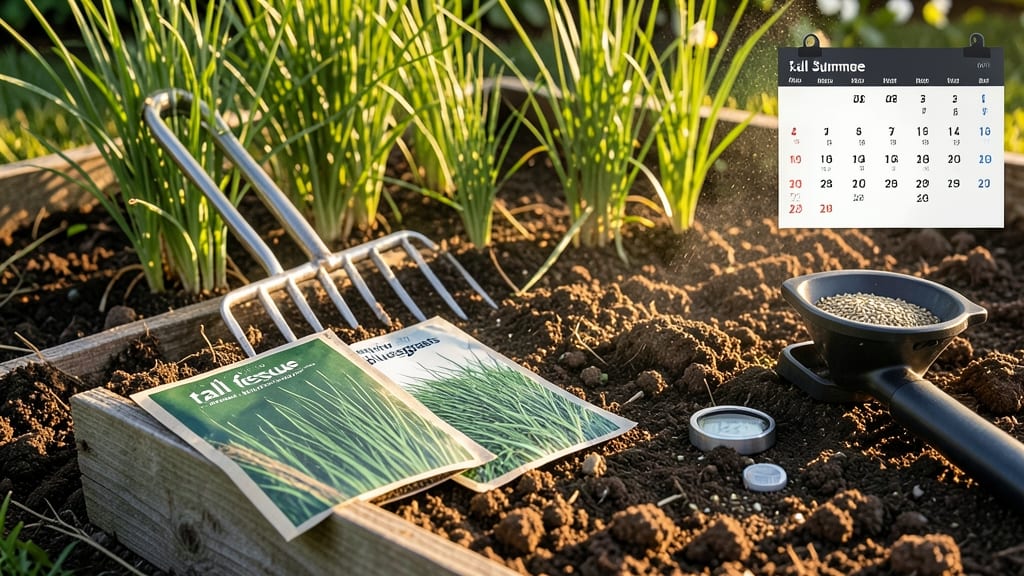
Planting grass seed in Ohio at the right time—between early spring and early fall—is the key to a thick, weed-free lawn that survives the state’s unpredictable weather.
Ohio’s spring rains and summer droughts can turn your grass seed into a costly gamble if planted too early or late. But timing it right—like late August to early October—gives your 🌱 grass deep roots before winter, beating the heat and weeds.
Whether you’re seeding in USDA Zone 6a or battling clay soil, the secret lies in soil temperature (ideally 50–65°F) and avoiding frost. Below, I’ll break down the two best windows—spring vs. fall—and how to prep your lawn for success.
You’ll learn the exact deadlines for your region, how to test soil moisture, and the one mistake that kills 80% of new lawns before they even take hold.
Optimal Ohio grass seed planting windows: spring vs fall timing explained
Ohio’s variable climate makes grass seed planting timing one of the most critical factors for a successful lawn. Whether you’re seeding a new yard or overseeding an existing one, choosing the right window ensures strong root growth and weed suppression.
I’ve planted grass in Ohio for over a decade, and I can confidently say fall planting often outperforms spring—but let’s break down why and when to plant in each season.
Both spring and fall offer ideal conditions, but the key lies in soil temperatures between 50°F and 65°F. This range allows seeds to germinate quickly while giving young roots time to establish before extreme heat or cold sets in.
In Ohio, this typically translates to late August through early October for fall and mid-April through early May for spring. However, regional microclimates—especially between northern and southern Ohio—can shift these windows by 2-3 weeks.
Fall planting is my top recommendation for Ohio gardeners because cooler temperatures reduce water stress and allow grass to develop deep roots before winter dormancy. The 6-8 weeks before the first frost (usually mid-October) gives seeds ample time to germinate and establish. Plus, fewer weeds compete for resources in fall compared to spring. For northern Ohio (USDA zones 5b-6a), aim for late August to early September, while southern Ohio (zones 6a-7a) can extend planting until mid-October.
Spring planting is trickier due to Ohio’s unpredictable spring rains and sudden heatwaves. Seeding too early—before the last frost (around April 15 in most areas)—risks frost damage, while planting too late (after May 15) exposes young grass to summer drought.
The 4-6 week window before the last frost is ideal, but I often recommend waiting until soil temperatures consistently stay above 50°F (usually early May) to avoid germination delays.
| Factor | Spring Planting (March-May) | Fall Planting (August-October) |
|---|---|---|
| Ideal Soil Temp | 50°F-65°F | 50°F-65°F |
| Best Months (Ohio) | Mid-April to early May | Late August to early October |
| Root Growth Benefit | Moderate (summer heat risk) | High (cool temps = deep roots) |
| Weed Competition | High (spring weeds emerge) | Low (weeds dormant) |
| Watering Needs | High (spring drought risk) | Moderate (cooler temps = less evaporation) |
| Best For | Cool-season grasses (Kentucky Bluegrass, Fescue) | All grass types (especially warm-season like Bermuda) |
The choice between cool-season and warm-season grasses also affects timing. Ohio’s most popular cool-season grasses—like Kentucky Bluegrass and Tall Fescue—thrive when planted in early fall or late spring. These varieties establish quickly in cooler weather and handle Ohio’s winters well.
For warm-season grasses like Bermuda or Zoysia, fall is still ideal, but you’ll need to plant late August to early September to give them time to germinate before winter.
Northern Ohio’s cooler climate (zones 5b-6a) means gardeners should push fall planting slightly earlier—late August—to avoid early frosts. Southern Ohio’s warmer microclimate (zones 6a-7a) allows for mid-October planting, but monitor frost dates closely. I always check the Ohio State University Extension frost predictions to adjust my timeline.
For spring planting, northern Ohioers should wait until mid-May to ensure soil warmth, while southern Ohio can start as early as late April.
One mistake I see often is planting too early in spring when soil is still cold or too late in fall when frosts are imminent. Both scenarios lead to poor germination and weed takeover. To test soil temperature, use a soil thermometer—aim for 55°F-60°F for optimal germination.
If your soil runs cooler, wait a week or two. For fall, stop planting 6-8 weeks before the first frost to allow roots to strengthen before winter.
Proper soil preparation is just as critical as timing. Before planting, till the soil to a depth of 4-6 inches, remove weeds, and rake to create a fine, level seedbed. Add com
How to prepare Ohio soil for grass seed: weed control and moisture secrets
Before you even think about scattering that grass seed, Ohio’s clay-heavy soil and weed competition demand serious prep work. Skipping this step means fighting uneven germination and weed takeover for months—trust me, I’ve seen it.
The key? A two-phase approach: first, kill weeds and loosen compacted soil, then fine-tune moisture for consistent root growth.
Start by testing your soil pH—Ohio’s ideal range is 6.0 to 7.0. If your soil tests higher (common in limestone-rich areas), add sulfur or peat moss to lower it.
For acidic soil (pH below 6.0), work in lime. A simple home pH test kit costs $10 and saves you from wasted seed.
⚠️ callout-warning
Don’t rush to plant grass seed in Ohio before soil temps hit 50°F—even if sprouts appear! Cool spring nights can stunt roots and leave seedlings vulnerable to fungal diseases. Wait until April 15+ for spring planting or September 1-October 15 for fall (when soil stays 50-65°F). Pro tip: Check soil temps with a $15 thermometer buried 2 inches deep.
Weed control is your next battle. For organic methods, smother weeds with cardboard or thick mulch for 2 weeks before tilling. If weeds are stubborn (like crabgrass), use a pre-emergent herbicide like pendimethalin—but apply it 4-6 weeks before planting to avoid harming grass seed.
Never use post-emergent herbicides near new seedlings.
Ohio’s clay soil loves to compact, choking young roots. Rent a rototiller to break up the top 4-6 inches of soil, then rake in 2-3 inches of compost or aged manure.
For sandy patches (common in southern Ohio), mix in peat moss to retain moisture. Level the soil with a lawn rake—uneven areas = thin grass.
Moisture management is where most Ohio gardeners fail. Water deeply 2-3 times weekly (not daily light spritzes) to encourage deep root growth. Use a rain gauge to track 1/2 inch of water per session.
For drought-prone areas, consider hydroseeding—it locks in moisture with a mulch seed slurry. Avoid watering at dusk to prevent fungus.
Finally, add a starter fertilizer with high phosphorus (P) (like 10-20-10) to boost root development. Spread it evenly, then lightly rake it into the top 1/4 inch of soil. Now your Ohio lawn is ready for seed—just don’t skip the first 2 weeks of daily watering!