
Plants
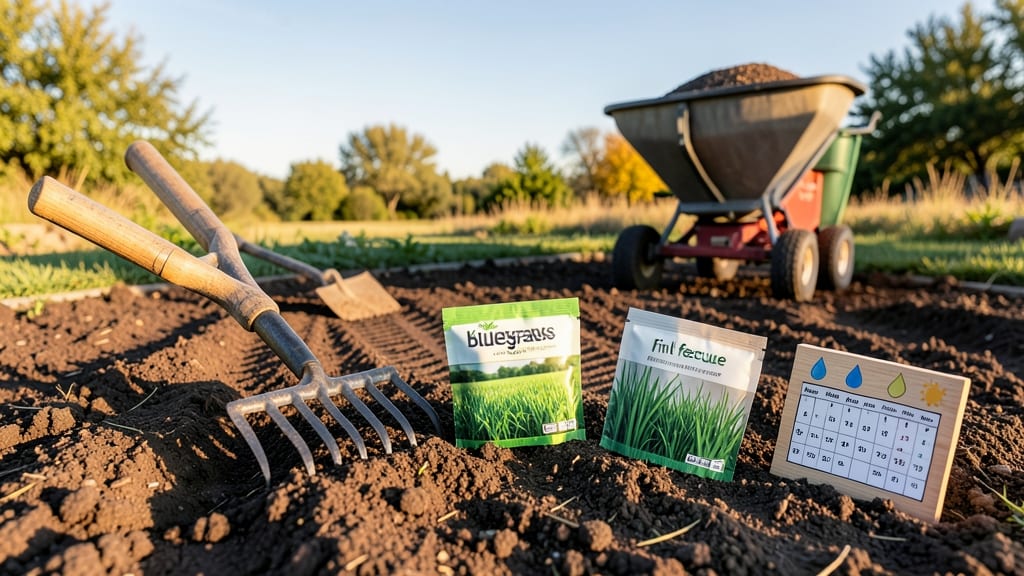
Planting grass in Colorado at the right time is the key to a thick, green lawn that survives the state’s dramatic temperature swings.
If you’ve ever stared at a patchy lawn wondering why your seeds didn’t take, chances are you planted too early or too late—Colorado’s elevation zones make timing everything.
Get it wrong, and you’re stuck with slow growth, weeds, or wasted money. But nail the window, and you’ll have a resilient lawn that thrives year after year.
Most Colorado lawns do best when seeded in early spring (March–April) or early fall (August–September), but elevation changes the game. Lowland areas like Denver (Zone 5b–6a) have a longer window, while mountain regions (Zone 7a+) need to plant earlier to avoid summer heat stress.
I’ll break down the perfect months for your specific elevation—and the grass types that perform best in Colorado’s climate.
You’ll also learn how to prep your soil, spot the signs of ready-to-plant conditions, and avoid the three biggest mistakes that turn lawn dreams into costly failures. Let’s get your Colorado lawn off to the right start.
Best months to plant grass in Colorado by elevation Zone
Colorado’s dramatic elevation changes—from the Front Range lowlands to the Rocky Mountain peaks—mean your grass planting window can vary by thousands of feet. At 3,000 feet, you might plant in March, while at 9,000 feet, you’ll wait until June.
Understanding these zones helps you avoid frost damage or summer heat stress that can kill young grass.
Most Colorado lawns rely on cool-season grasses like Kentucky bluegrass and fescue, which thrive in spring and fall. However, warm-season grasses like buffalo grass (common in dry, high-elevation areas) prefer late spring planting.
Let’s break down the best times for each zone, including urban vs. rural adjustments that can shift your schedule by weeks.
Pro Tip: Always check your last frost date (use the National Weather Service or Colorado State University Extension) and plant 4-6 weeks before to give grass time to establish roots before winter.
| Elevation Zone | Best Planting Months | Grass Types | Key Considerations | Urban vs. Rural Adjustment |
|---|---|---|---|---|
| Lowlands (3,000–5,000 ft) | March–April (spring) or August–September (fall) | Kentucky bluegrass, Tall fescue, Fine fescue | Soil warms faster; avoid planting if night temps drop below 40°F. | Urban areas: Plant 1 week earlier (heat islands warm soil faster). |
| Foothills (5,000–7,000 ft) | April–May (spring) or July–August (fall) | Tall fescue, Fine fescue, Wheatgrass blends | Cooler soils; wait until soil reaches 50°F+ for 2+ weeks. | Rural areas: Shift 2 weeks later (cooler microclimates). |
| Mountains (7,000+ ft) | May–June (spring) or July–early August (fall) | Alpine bluegrass, Buffalo grass, Creeping red fescue | Short growing season; prioritize drought-resistant varieties. | High-altitude urban: Plant 3 weeks later (slower soil warming). |
| All Zones (Warm-Season) | June–July (late spring) | Buffalo grass, Zoysia (limited to lowlands) | Requires consistent moisture during establishment. | Avoid urban heat islands; these grasses struggle in shade. |
For lowland areas like Denver or Colorado Springs (3,000–5,000 ft), aim to plant cool-season grasses in March or April. The soil warms quickly here, but young grass can still suffer if late frosts hit.
Use a soil thermometer to confirm temps are above 50°F before seeding. In urban areas, heat from pavement can make soil 2–3°F warmer, so plant 1 week earlier than rural counterparts.
In the foothills (5,000–7,000 ft), like Evergreen or Castle Rock, shift your focus to April or May. Here, tall fescue and fine fescue blends dominate because they tolerate cooler soils and dry spells.
Rural foothills may need a 2-week delay due to cooler microclimates in shaded or windy spots. Always test soil moisture—dry conditions can delay germination by 3–5 days.
At 7,000+ feet, such as Fort Collins or Aspen, your window shrinks to May–June. Alpine bluegrass and buffalo grass are your best bets, as they handle short growing seasons and intense UV radiation. High-altitude urban areas (e.g., B
Signs your Colorado lawn is ready for planting (and when to wait)
Planting grass in Colorado isn’t just about picking a month—it’s about reading your soil and weather cues. Cool-season grasses like Kentucky bluegrass and fescue thrive when soil temperatures stay between 50°F and 65°F.
If you plant too early, seeds may rot in cold, wet soil, while late planting risks summer drought stress.
Start by checking your local frost dates. Most Colorado regions see their last frost between mid-April and early May, but mountain areas can linger until June.
Aim to plant 4-6 weeks after your last frost date for ideal germination. For fall planting, shoot for 6-8 weeks before your first frost in October or November.
⚠️ callout-warning ⚠️
Urban areas like Denver (Zone 5b-6a) warm up faster than rural foothills (Zone 6b-7a). Planting in April may be perfect for lowlands but risky for high-elevation yards. Always verify your USDA zone and check 7-day forecasts for rain or late frosts.
🌡️ Pro Tip: Use a soil thermometer ($10 at garden centers) to confirm temps. If soil is below 50°F, wait—your seeds will thank you!
Test your soil moisture by digging a 6-inch hole. If the soil feels damp but not soggy, it’s ready. Overly wet soil suffocates seeds, while dry soil prevents germination. In Colorado’s arid climate, early spring often brings moisture, but summer drought can sneak up fast—plan accordingly.
Watch for sprouting weeds as a natural indicator. When weeds like dandelions or crabgrass start popping up, your soil is warming and ready. However, if weeds appear too early (before March), your soil may still be too cold for grass seeds. Adjust your timeline by 2-4 weeks.
Pay attention to weather forecasts for stable conditions. Avoid planting during heatwaves (above 85°F) or prolonged rain (over 1 inch/week). In August-September, aim for days with highs in the 70s and clear skies. Use a weather app to track 10-day outlooks before committing to planting.
Finally, perform a pull-test on existing grass clumps (if any). If blades pull out easily with minimal resistance, roots aren’t established yet—wait for 2-3 weeks of stable growth before replanting. For bare spots, focus on early spring or fall when roots can establish before stress.
With these signs in mind, you’ll avoid the heartbreak of wasted seed and patchy lawns. Timing is everything in Colorado’s unpredictable climate—trust the soil, not just the calendar! 🌱