
Plants
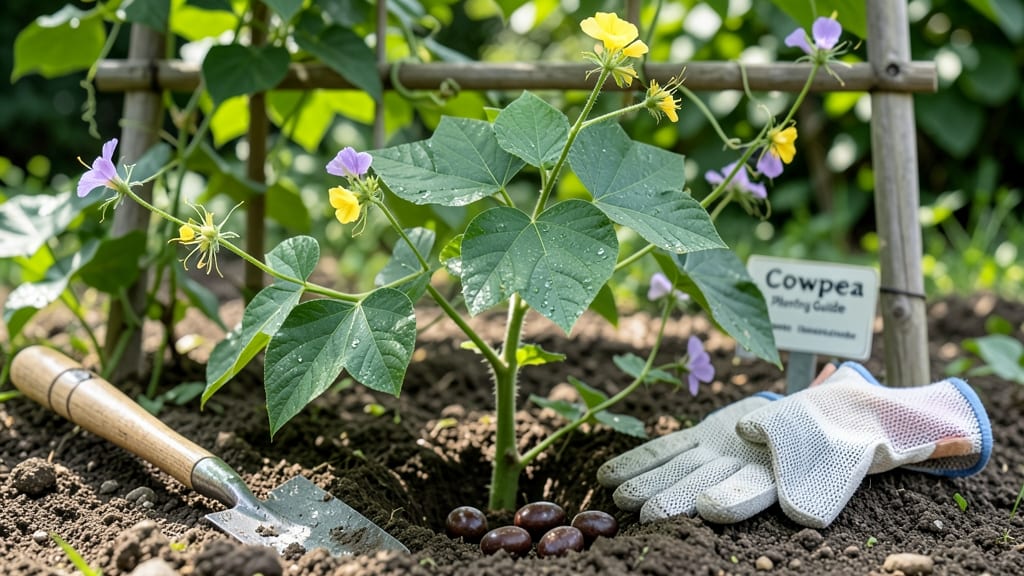
Plant cowpeas in Oklahoma between April 15 and May 15 or again from September 1 to 30—timing that avoids frost while ensuring soil warmth for strong roots.
Oklahoma’s hot summers and unpredictable springs make timing critical for growing cowpeas—but planting too early or late can mean wasted effort. Get the exact frost-free deadlines and soil warmth benchmarks to maximize your yield this season.
Most gardeners focus on frost dates, but cowpeas need soil temperatures of at least 60°F to thrive. In Oklahoma’s 6a-7b zones, that means waiting until late April for spring plantings and early September for fall crops.
Below, I’ll walk you through the best planting windows by region, soil prep tips, and how to choose heat-tolerant varieties that perform well in Oklahoma’s climate.
Oklahoma cowpea planting calendar: month-by-month frost-free deadlines
Timing your cowpea planting in Oklahoma depends on two critical factors: soil temperature and last frost dates. Unlike cool-season crops, cowpeas thrive only when soil reaches 60°F or warmer, making early spring or late fall planting risky.
Northern Oklahoma’s USDA Zone 6a has later frost dates than Southern Oklahoma’s Zone 7b, so I’ll break down planting windows by region to help you avoid frost damage or stunted growth.
For Northern Oklahoma (e.g., Oklahoma City), the average last frost date falls around April 15, but soil may not warm enough until mid-to-late May. In Southern Oklahoma (e.g., Tulsa or Lawton), you can plant as early as mid-April when soil hits 60°F.
Both regions also benefit from a fall planting window (September–October) to escape summer’s peak heat.
Here’s the key takeaway: Plant cowpeas only after soil warms to 60°F, not just after the last frost. Cold soil slows germination, leading to patchy stands. Use a soil thermometer to confirm readiness—this simple tool can save you from wasted seed and effort.
| Month | Northern OK (Zone 6a) | Southern OK (Zone 7b) | Soil Temp Threshold | Notes |
|---|---|---|---|---|
| March | ❌ Avoid | ❌ Avoid | <50°F | Soil too cold; risk of frost. |
| April | ⚠️ Late April (after 20th) | ✅ Mid-April (if soil ≥60°F) | 60°F+ | Northern OK: Wait for soil warmth; Southern OK: Start early varieties. |
| May | ✅ Ideal (after 15th) | ✅ Ideal (throughout) | 60°F+ | Best window for early varieties; transplant seedlings. |
| June | ✅ Late varieties | ✅ Late varieties | 70°F+ | Heat-tolerant varieties like Purple Hull thrive. |
| September | ✅ Fall planting | ✅ Fall planting | 60°F+ | Avoid first frost (Nov 1); harvest before cold snaps. |
| October | ⚠️ Early October only | ⚠️ Early October only | 60°F+ | Risk of early frost; use row covers if needed. |
| November | ❌ Avoid | ❌ Avoid | <50°F | Frost likely; cowpeas won’t survive. |
For Northern Oklahoma, focus on May planting for early varieties like Black-Eyed Pea, which mature in 50–60 days. If you’re eager to try cowpeas earlier, direct-sow seeds in late April but monitor soil temperature daily—cold soil can delay germination by weeks.
I’ve had success using black plastic mulch to warm soil faster in cooler areas.
In Southern Oklahoma, you can stretch your season with a fall planting as late as September 30. Choose heat-tolerant varieties like Crowder Pea for late summer sowing, as they handle Oklahoma’s 90°F+ temperatures better than other types. Just be sure to harvest before the
How to time cowpea planting for Oklahoma’s soil warmth (not just frost dates)
Most Oklahoma gardeners plan cowpea planting based on frost dates, but soil temperature is the real game-changer for these heat-loving plants. Cowpeas need soil to stay above 60°F for at least 2-3 weeks to establish strong roots and avoid stunted growth.
In Oklahoma’s clay-heavy soils, warmth lingers longer than in sandy areas, but you still need to test—don’t guess.
Cold soil slows germination and invites fungal diseases like root rot. I’ve seen cowpea seeds planted in 50°F soil take 3+ weeks to sprout, while warm soil (65°F+) gets them up in 5-7 days. That’s the difference between a bountiful harvest and wasted seeds.
Here’s the critical insight: Oklahoma’s Northern regions (USDA Zone 6a) often need to wait until late April for soil to warm, while Southern OK (Zone 7b) can plant as early as mid-March in well-drained beds. The key is testing, not assuming.
⚠️ Warning: Planting Too Early in Cold Soil
Cold soil (<55°F) causes:
- Slow germination (seeds rot before sprouting)
- Weak stems (plants flop in wind)
- Fungal infections (root rot from excess moisture)
Solution: Use a soil thermometer ($10 at garden centers) or DIY test (see below). Wait until soil hits 60°F for 3+ days.
To test soil warmth without a thermometer, dig a 6-inch hole in your planting area at midday. Stick your hand in—if it feels cooler than your wrist (about 65°F), wait 3-5 days.
For clay soils, which hold heat longer, test in the morning (they cool overnight). Southern Oklahoma gardeners can often plant 2 weeks earlier than Northern regions because clay retains warmth.
If your soil stays cold past May 15, consider black plastic mulch or raised beds. I’ve used black plastic in my Norman garden to raise soil temps by 10-15°F in just 2 weeks.
For fall plantings, aim for September 1 when soil temps drop to 65-70°F—cowpeas tolerate cooler roots better in fall than spring.
Pro tip: Seed depth matters. In warm soil, plant cowpea seeds 1-2 inches deep. In cooler conditions, go 1 inch deep to encourage faster germination. Always water lightly after planting to settle seeds without displacing them.
Remember, cowpeas are drought-tolerant once established, but they won’t forgive cold soil. With the right timing, you’ll see those first purple or green pods in just 60 days—not the 90+ days you’d get from a late start. 🌱