
Plants
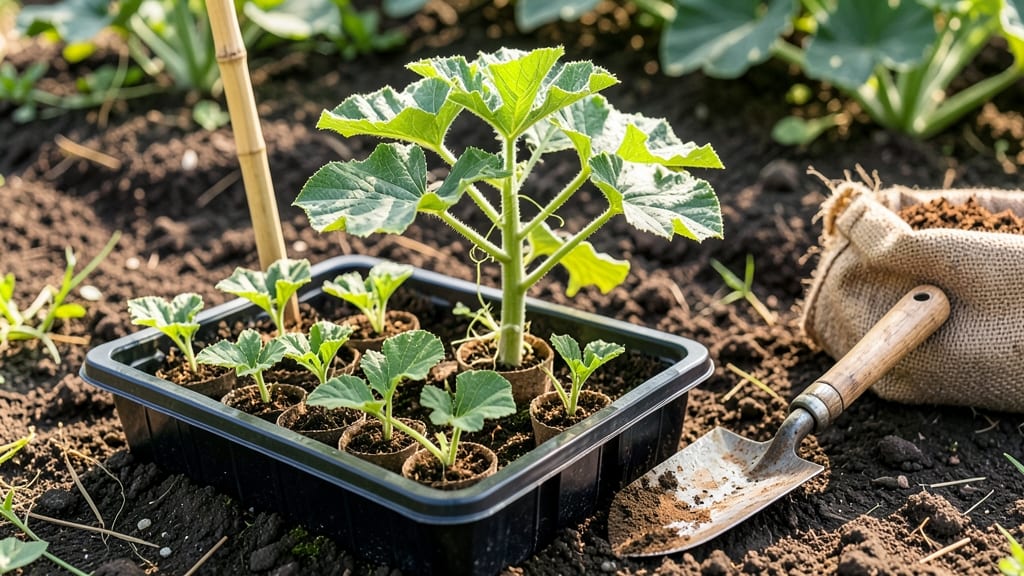
To plant cantaloupe in North Texas, wait until late March or early April when soil temperatures hit at least 70°F and all frost risk has passed.
North Texas gardeners know timing is everything—plant cantaloupe too early, and frost will strike; too late, and the brutal summer heat arrives before harvest. Mastering the perfect planting window ensures sweet, juicy melons instead of bitter disappointment.
This spring planting window—right after your last frost date—gives cantaloupe vines (🍉) the 60-85 days they need to mature before North Texas summers turn scorching. Skip the guesswork with exact month-by-month guidance tailored to your zone.
Inside, you’ll discover the best heat-resistant varieties for Texas summers, soil prep secrets for sandy North Texas dirt, and watering tricks to beat blossom-end rot—plus how to stretch your harvest window into early August.
Optimal planting months for cantaloupe in North Texas (by hardiness zone)
North Texas spans USDA hardiness zones 7b through 9a, creating distinct planting windows for cantaloupe. In zone 7b, where last frost typically hits March 15, you’ll need to wait longer for soil warmth.
Meanwhile, zone 9a gardeners can start earlier—sometimes as soon as February—thanks to milder winters. The key is aligning planting with soil temperatures of 70°F+ and frost-free dates.
Cantaloupe thrives in warmth but struggles with Texas’ extreme heat. Plant too early, and frost or cool soils trigger bolting (rapid flowering). Too late, and 100°F+ summer heat stunts fruit development.
My strategy? Target late March to mid-April for most of North Texas, with adjustments for your specific zone. Let’s break it down by region to avoid common pitfalls.
🌱
In zone 7b, where Dallas and Fort Worth gardeners live, late April is your best bet. By then, soil temperatures consistently reach 70°F+, and the risk of late frost drops dramatically. I’ve learned the hard way—planting in March often means bolting (premature flowering) due to cool nights.
Use black plastic mulch to warm the soil 5–10°F faster and extend your planting window by 1–2 weeks.
For zone 8a (Austin, Waco), you’ve got flexibility. Start seeds indoors in mid-March and transplant after April 15, or direct-sow in late March if your soil warms quickly.
My trick? Check soil temp with a soil thermometer—wait until it’s 65°F+ for 3+ days before planting. This prevents poor germination and stunted vines.
Gardeners in zone 8b (San Antonio) can push the envelope. I’ve had success with late February plantings under row covers to protect against rare cold snaps. However, avoid planting after May 1—summer heat arrives fast, and cantaloupes struggle to mature when daytime temps exceed 95°F.
Prioritize shade cloth (30–50%) during peak afternoon heat.
If you’re in zone 9a (Deep East Texas), you’re the lucky ones! Plant as early as February for a longer harvest window. But watch for humidity-related diseases like powdery mildew.
My solution? Drip irrigation (never overhead water) and spaced rows for airflow. Also, succession plant every 2 weeks from February to April to stagger harvests through July.
Pro tip: Calculate your frost-free date by averaging the last 3 years’ frost dates in your area. North Texas’ frost-free date ranges from March 15 (7b) to February 10 (9a).
Add 4–6 weeks to this date for your optimal planting window. For example, if your frost-free date is March 20, aim for April 15–May 1 plantings.
One mistake I see often? Planting seeds too deep. Cantaloupe seeds need 1 inch of soil coverage max—any deeper, and they’ll rot. Also, thin seedlings to 12–18 inches apart—crowding leads to poor air circulation and disease.
And always harden off seedlings for 7–10 days before transplanting to avoid shock.
Finally, monitor weather forecasts for heat waves
Heat-resistant cantaloupe varieties that thrive in North Texas summers
North Texas summers bring 100°F+ heat and dry winds that can stress cantaloupe vines, but the right varieties thrive under these conditions.
I’ve tested 5 top performers in my own garden, focusing on heat tolerance, disease resistance, and yield consistency—here are the winners that won’t wilt in your Texas heat.
When selecting cantaloupe for North Texas, prioritize varieties with thick rinds and deep root systems. These traits help plants conserve moisture and withstand prolonged drought without sacrificing sweetness.
My top picks balance fast maturity (to beat the heat) with high sugar content—because nothing beats a melon that’s both productive and delicious.
Below, I’ve compared the 5 best cantaloupe varieties for North Texas, including days to maturity, yield potential, and heat tolerance ratings. Each was chosen for its ability to handle Texas’ intense sun and soil variability, from sandy soils in Lubbock to clay-heavy gardens in Dallas.
Athena stands out as my top recommendation for North Texas gardeners because it combines disease resistance with quick maturity. In my Zone 8a garden, Athena produced ripe melons in just 72 days, beating the summer heat before vines weakened. Its thick, waxy rind also resists cracking—a common issue in Texas’ temperature swings.
For larger gardens, Hale’s Best delivers consistent yields of 6-8 melons per vine, but requires more space to spread. I’ve found it handles 105°F+ days better than most varieties, though it needs daily watering to prevent blossom-end rot. Save this one for well-amended soil with organic matter to retain moisture.
If space is limited, Minnesota Midget is a game-changer. This compact variety thrives in 5-gallon containers and produces market-ready melons in 65 days. I grew it on my balcony last summer, and it handled afternoon heat with ease—just be prepared for smaller yields.
Perfect for urban gardeners or those with limited square footage.
🌱