
How To
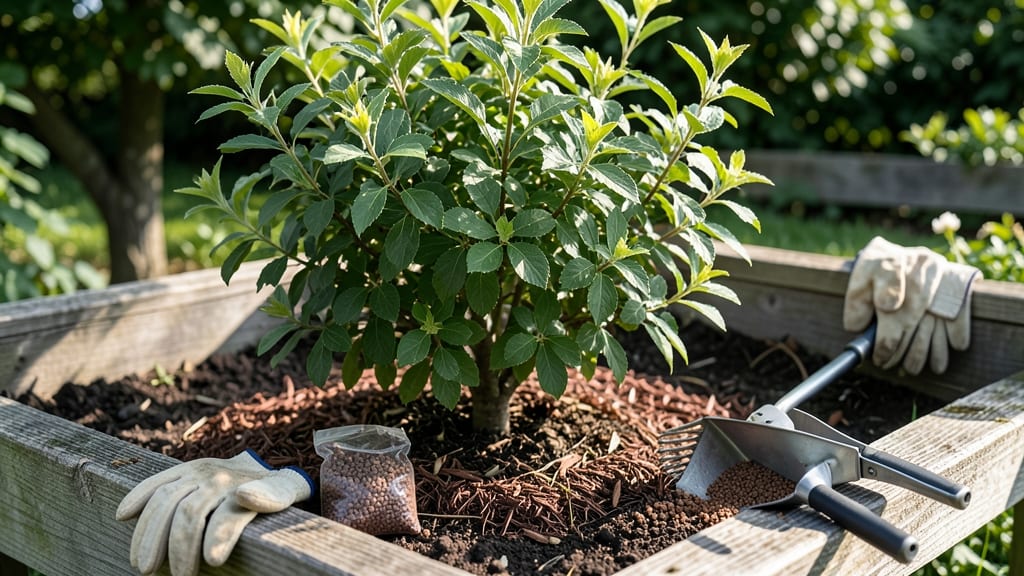
Fertilizing your viburnum at the right time is the difference between showstopping blooms and a shrub that just won’t thrive.
Struggling to get your viburnum shrubs to burst with vibrant blooms year after year? Timing your fertilization correctly is the secret weapon most gardeners overlook—but getting it wrong can actually harm your plants.
Most gardeners assume feeding their viburnum 🌿 anytime during the growing season is fine, but the truth is, there are two critical windows that make all the difference. Too early, and you risk stunting growth; too late, and you might encourage weak new shoots that won’t survive winter.
In this guide, I’ll walk you through the exact months to fertilize—spring for new growth and fall for winter prep—plus how to pick the right fertilizer and spot signs your plant is getting too much (or too little).
Optimal viburnum fertilization schedule by season: spring vs fall timing
Getting your viburnum shrubs to thrive starts with understanding their fertilization needs. These beautiful flowering shrubs respond best to feeding during two key windows: early spring and late fall.
Each timing serves a different purpose—spring jumpstarts growth, while fall prepares roots for winter. Let's break down the perfect schedule to maximize blooms, fruit production, and overall plant health.
Most gardeners make the mistake of fertilizing at the wrong time, which can lead to burned roots, weak stems, or even fewer flowers. The secret lies in aligning your feeding with your viburnum's natural growth cycle.
In USDA Zone 6a (where most viburnums thrive), these two windows—March-April and October-November
Why these two seasons? Spring fertilization provides essential nutrients for new growth and bloom development, while fall fertilization strengthens roots before winter dormancy. Skipping either can leave your viburnum vulnerable to stress or underperform in the next growing season. Let's compare the two approaches side by side to help you decide which timing works best for your specific viburnum variety and climate. For early spring fertilization, aim to feed your viburnum in March or early April, just as new growth begins. This timing ensures your plant has the nutrients it needs to develop strong stems and abundant flower buds. Use a balanced fertilizer (10-10-10) or a slow-release option to avoid nutrient spikes that can burn roots. If you're growing viburnum varieties like Viburnum opulus (cranberry bush) or Viburnum dentatum (arrowwood), focus on a light application—about ½ cup per 10 sq ft—to encourage healthy foliage without excessive leafy growth at the expense of flowers. Over-fertilizing at this stage can lead to weak stems that struggle to support heavy blooms later in the season. On the other hand, fall fertilization is all about preparing your viburnum for winter. Apply a low-nitrogen fertilizer (5-10-10) or organic options like composted manure in October or early November. This timing helps roots store nutrients for next year's growth while avoiding the risk of new growth before frost, which can be damaged by cold temperatures. One common mistake gardeners make is fertilizing in late summer or early fall. This can trick your viburnum into producing tender new growth that won't survive the first frost. Always stop feeding at least 6 weeks before your area's first frost date—typically by mid-October in Zone 6a—to give roots time to harden off. For those in warmer climates (Zones 7-9), you can extend fall fertilization slightly later, but never after November. In these regions, focus on root-feeding fertilizers like compost or worm castings to improve soil structure without stimulating unwanted growth. Always water deeply after applying fall fertilizer to help nutrients penetrate the soil. Pro tip: If your viburnum shows signs of nutrient deficiency, like yellowing leaves or sparse blooms, a soil test can help you adjust your fertilization plan. Most viburnums prefer slightly acidic soil (pH 5.0-6.5), so amend your soil with peat moss or sulfur if needed before applying fertilizer. By following this two-season schedule, you'll give your viburnum the perfect balance of nutrients to produce stunning spring blooms and lush foliage year after year. Remember, consistency is key—stick to these timings, and your shrubs will reward you with vibrant color and healthy growth for decades.
Fertilization Window
Best Months
Primary Goal
Fertilizer Type
Key Considerations
Early Spring
March-April
New growth & blooms
Balanced (10-10-10) or slow-release
Apply before buds swell; avoid high nitrogen
Late Fall
October-November
Root strength & winter prep
Low-nitrogen (5-10-10) or organic
Stop feeding 6 weeks before first frost
How to choose the right fertilizer type for viburnum growth and blooms
Selecting the right fertilizer type for your viburnum shrubs can mean the difference between lush blooms and stunted growth. Viburnums thrive with a balanced approach—too much nitrogen can lead to leafy growth at the expense of flowers, while too little can leave your plant struggling.
The key lies in understanding organic vs synthetic options and slow-release vs quick-release formulas tailored to viburnum’s flowering cycle.
For spring fertilization, I recommend a balanced fertilizer with an NPK ratio of 10-10-10 or similar. This ensures your viburnum gets equal parts nitrogen for foliage, phosphorus for root development, and potassium for overall plant health.
In early spring, when your viburnum is just waking up, a slow-release fertilizer is ideal—it feeds your plant steadily over time, preventing root burn from sudden nutrient spikes.
If you’re using organic fertilizers like compost, bone meal, or fish emulsion, they’re excellent for improving soil health long-term. However, they release nutrients more slowly, so you’ll need to apply them earlier in the season (late winter to early spring) to give your viburnum time to absorb them before blooming.
Synthetic fertilizers, on the other hand, offer immediate results but require more precise dosing to avoid over-fertilization.
Here’s a quick breakdown of when to use each type for maximum effectiveness:
Organic Fertilizers
- Improves soil structure
- Slow nutrient release
- Safe for roots
- Requires earlier application
- Less precise nutrient control
Synthetic Fertilizers
- Immediate nutrient availability
- Precise NPK ratios
- Quick results for blooms
- Risk of root burn
- Can disrupt soil microbes
Slow-Release Fertilizers
- Spring feeding
- Steady growth support
- Reduced application frequency
- Late-season use
- Over-application
For summer fertilization, after your viburnum has finished blooming, switch to a low-nitrogen, high-potassium fertilizer (like a 5-10-10 ratio) to support fruit development and prepare for winter.
This is also a great time to use liquid fertilizers for a quick boost, but always dilute them to half-strength to avoid shocking your plant’s roots.
Finally, avoid fertilizing in fall—this can encourage tender new growth that won’t survive winter. Instead, focus on mulching and soil protection to keep your viburnum healthy until spring.
If your soil is particularly poor, a light application of compost in late fall can still benefit your plant without risking over-fertilization.
Pro tip: Always water your viburnum thoroughly before and after applying fertilizer to help nutrients absorb evenly and reduce the risk of root burn. And if you notice yellowing leaves or poor blooms, it might be time to reassess your fertilizer type or timing!