
How To
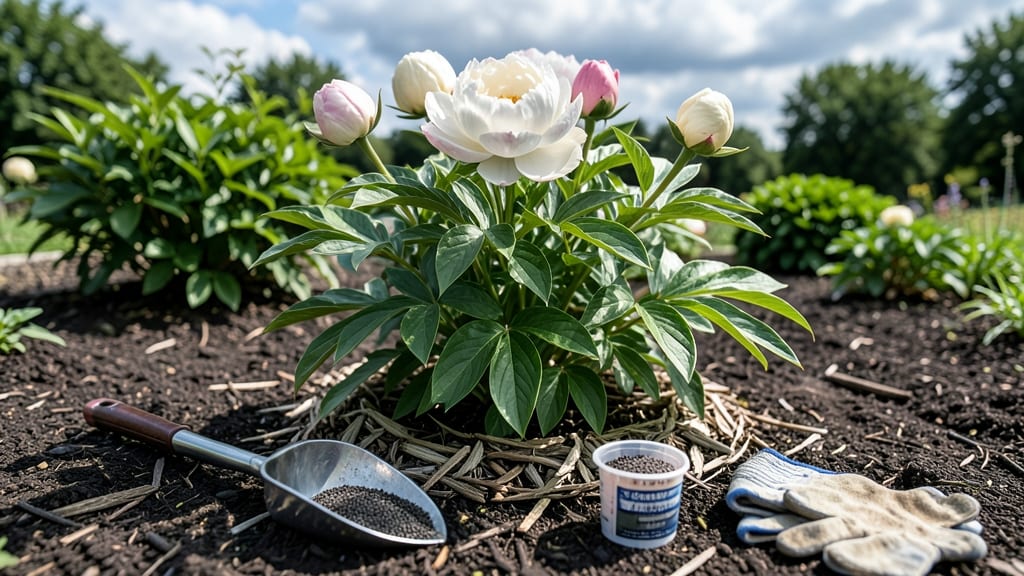
To fertilize peonies at the right time means feeding them just as they wake from dormancy—early spring or early fall—when roots are hungry but blooms aren’t yet competing for energy.
Peonies reward patience with lush, fragrant blooms—but timing your fertilizer applications wrong can stunt growth or even kill your plants. Mastering the when and how ensures vibrant flowers year after year.
Most gardeners overlook the fall feeding window, yet it’s just as critical as spring. A light dose in September primes roots for winter, while a heavier spring feed fuels blooms. Skip the summer, though—too much nitrogen then sends energy to leaves, not flowers.
Below, I’ll break down the exact schedule for your USDA zone, the best fertilizers (organic vs. synthetic), and the one mistake that turns your peonies 🌸 into leafy green monsters.
Peony fertilizing schedule: spring vs fall timing explained
Peonies thrive when you feed them at the right moments—early spring and early fall—but getting the timing wrong can lead to weak blooms or even plant stress. The key is understanding how peonies grow: they build roots in spring and store nutrients in fall for next year's flowers.
Let's break down the science-backed schedule that works for USDA zones 3-10, with adjustments for your local climate.
Most gardeners focus on spring feeding, but fall fertilization is equally crucial—it helps peonies store energy for winter dormancy. In colder zones (3-6), aim for late August to early September, while warmer zones (7-10) can extend feeding until October.
The goal? Give your peonies a nutrient boost before the ground cools, but avoid fertilizing too late when new growth can't harden off before frost.
Here's the critical difference: Spring feeding (March-April in most zones) supports new shoot growth, while fall feeding (September-October) prepares roots for winter. Both timings use low-nitrogen, high-phosphorus fertilizers to encourage blooms—not leafy growth. Let's compare the ideal schedules for each season.
| Timing Factor | Spring Fertilizing (Root Growth) | Fall Fertilizing (Winter Prep) |
|---|---|---|
| Best Months | March-April (Zones 3-6) February-March (Zones 7-10) |
September-October (Zones 3-6) October-November (Zones 7-10) |
| Key Growth Stage | New shoot emergence (1-2" tall) | Root development before dormancy |
| Fertilizer Type | Balanced (5-10-10) or high-phosphorus | Low-nitrogen (3-5-10) or compost |
| Application Method | Work into top 2" of soil | Side-dress 6" from stems |
| Climate Adjustment | Wait until soil reaches 50°F | Apply 4-6 weeks before first frost |
| Avoid If... | Frost threatens new shoots | Ground temps drop below 40°F |
For USDA zones 3-6, where winters are harsh, I recommend a two-step approach: apply a light spring feed when shoots emerge (usually late March) and a fall boost in early September.
In warmer zones (7-10), you can extend fall feeding until mid-October, but stop before temperatures consistently drop below 50°F at night. The rule of thumb? Feed when peonies are actively growing but not flowering—this prevents nutrient diversion from next year's buds.
Many gardeners make the mistake of fertilizing after blooming (June-July), but this is counterproductive. Peonies develop their next year's flower buds during the current growing season, so feeding too late can lead to weak stems or fewer blooms the following spring.
Instead, focus on early spring and fall when roots are hungry for nutrients. Pro tip: If your peonies are 3+ years old, reduce fertilizer by half—they're established and don't need as much.
Organic options like compost, bone meal, or fish emulsion work beautifully for peonies, especially in fall. These release nutrients slowly, mimicking natural conditions. For synthetic fertilizers, look for low-nitrogen, high-phosphorus blends (like 5-10-10) in spring and very low-nitrogen (3-5-10) in fall.
Always water thoroughly after applying to prevent root burn—a common issue with granular fertilizers.
One question I hear often: "Can I fertilize peonies in summer?" The short answer is no, unless you're dealing with newly planted peonies (first year only). Summer feeding can encourage leafy growth at the expense of flower buds.
Instead, focus on mulching (2-3" of organic mulch) to retain moisture and regulate soil temperature. This passive approach supports root health without the risks of summer fertilization.
Here's my zone-specific timing cheat sheet for quick reference:
- Zones 3-5: Spring (late April), Fall (early September)
- Zones 6-8: Spring (March), Fall (October)
- Zones 9-10: Spring (February), Fall (November)
Adjust these dates based on your last frost date—always wait until after the final frost but before new shoots exceed 2 inches in height.
Remember, peonies are slow growers that reward patience. Over-fertilizing is a common mistake that leads to leafy monsters with few blooms. Stick to the spring-fall schedule, use balanced fertilizers, and watch your peonies deliver bold, fragrant blooms for decades.
With the right timing, your peony patch will become the showstopper of your garden—year after year. 🌸
Best fertilizers for peonies: organic vs synthetic options
Choosing the right fertilizer for your peonies means balancing nutrient ratios with your gardening philosophy. Peonies thrive on a low-nitrogen, high-phosphorus formula to fuel their root systems and flower production.
Organic options like compost or bone meal build soil health slowly, while synthetic blends offer precise control over NPK ratios.
For most gardeners, a 5-10-10 NPK ratio works wonders—promoting root growth (phosphorus) and bloom development (potassium) without overpowering plants with nitrogen. Synthetic fertilizers like 10-20-20 are great for quick results, but organic choices like fish emulsion or kelp meal add micronutrients over time.
🌱 Slow-release fertilizers (like osmocote) are ideal for peonies because they feed plants steadily without risking root burn. Organic matter like well-aged compost also improves soil structure, helping peonies access nutrients more efficiently.
🌿 Organic vs Synthetic Fertilizers for Peonies
- ✅ Slow-release nutrients
- ✅ Improves soil health long-term
- ✅ Safe for beneficial microbes
- ✅ Precise NPK ratios (e.g., 5-10-10)
- ✅ Fast-acting results for blooms
- ✅ Easy to measure
- 🚫 Over-fertilizing causes leaf burn
- 🚫 High nitrogen reduces flower production
- 🚫 Fresh manure can scorch roots
When applying fertilizers, timing matters. For organic options, work them into the top 2-3 inches of soil in early spring or fall. Synthetic granules can be surface-applied after watering to prevent root contact. Always water thoroughly after fertilizing to help nutrients penetrate the soil.
🌺 Slow-release organic fertilizers like alfalfa meal or worm castings are my top recommendations for peonies—they mimic natural nutrient cycles while keeping blooms abundant and roots strong. If you prefer synthetics, opt for time-release formulas to avoid mid-season feeding frenzies.
Remember: Peonies are perennials, so less is often more. A light feeding in early spring and another in fall—paired with mulch—will keep your plants thriving for decades. Avoid fertilizing after June 1st to prevent late-season growth that won’t harden off before winter.