
Light Requirements
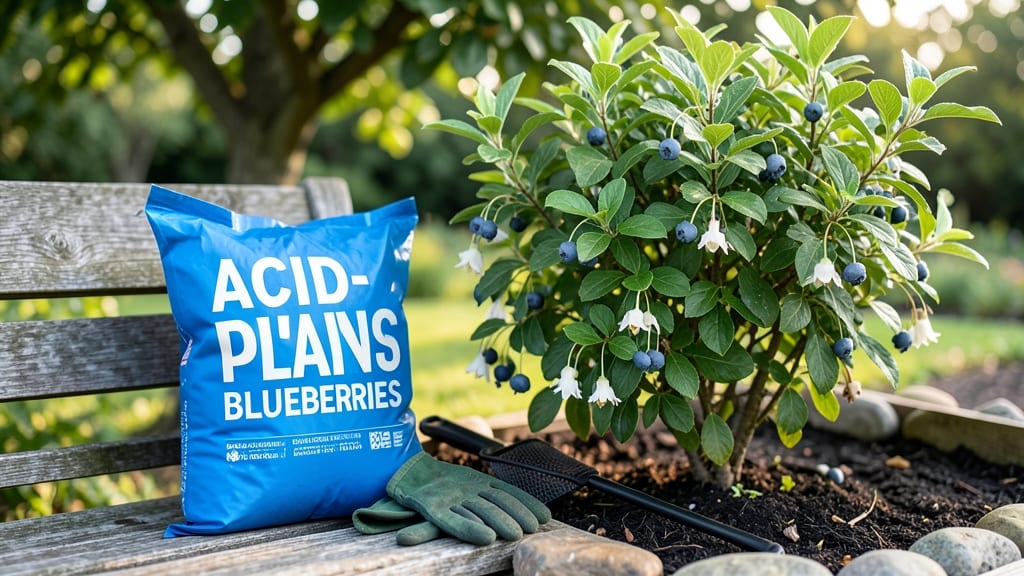
Fertilizing blueberry bushes at the right times is the secret to juicy, abundant harvests — and skipping or overdoing it can leave you with weak plants or bitter fruit.
Blueberry bushes thrive when fed at the right time—but get it wrong, and you’ll stifle growth or even harm your plants. Timing and soil acidity are everything for these finicky yet rewarding shrubs.
Most gardeners miss the two key windows: early spring, when roots wake up hungry, and mid-summer, when fruit production demands extra support. In this guide, I’ll walk you through the exact schedule, plus how to test your soil and pick the right fertilizer for your climate.
Whether you’re in a warm southern zone or a cooler northern region, you’ll learn how to avoid common mistakes and keep your 🫐 bushes producing for years.
Optimal fertilizing schedule for blueberry bushes by season
Blueberry bushes demand precise timing for fertilization to thrive. Unlike many plants, they prefer acidic soil with a pH between 4.5 and 5.5. Fertilizing at the wrong time can burn roots or delay fruiting.
The key is feeding when the plant is actively growing—not during dormancy. For new bushes, timing matters even more to establish strong root systems before their first harvest.
Most gardeners focus on spring and summer fertilization, but established bushes also benefit from a light fall feeding in mild climates. The goal is to match nutrient delivery with the plant’s growth cycle.
Over-fertilizing in late summer can lead to tender new growth that won’t survive winter. Let’s break down the exact schedule by season and plant age.
📌 CRITICAL DEADLINES: New bushes (first year) should never be fertilized at planting. Wait until early spring of their second year. Established bushes (3+ years old) can handle two feedings per year—spring and summer—with optional light feeding in fall for warm climates.
🌱 REGIONAL ADJUSTMENTS: In USDA Zones 5-7, stick to spring and summer feeding. In Zones 8-10, a third light feeding in early fall (September) can extend the growing season. Always check frost dates—never fertilize within 6 weeks of first frost.
Spring fertilization is your most critical window. Apply an acid-loving fertilizer (like cottonseed meal or peat-based products) as soon as the ground is workable but before buds swell.
This jumpstarts root growth and sets the stage for summer fruiting. For new bushes, skip spring feeding entirely—their priority is root development, not fruit production.
Mid-summer feeding (June-July) is all about fruit production. Use a balanced fertilizer (10-10-10) to replenish nutrients lost during harvest. This timing also encourages next year’s flower buds. Never fertilize after mid-August in cooler climates, as new growth won’t harden off before winter.
In warm climates (Zones 8-10), a light fall feeding in September can extend the growing season. Use a low-nitrogen fertilizer (5-5-5) to avoid soft new growth.
This helps roots store nutrients for spring. In colder climates (Zones 5-7), skip fall feeding entirely—your bushes need time to prepare for winter.
For container-grown blueberries, follow the same schedule but reduce amounts by 50%. Containers dry out faster, so monitor soil moisture closely. Flush the soil with water after fertilizing to prevent salt buildup. 💧 Pro Tip: Always water deeply before and after fertilizing to help nutrients reach roots.
One common mistake is over-fertilizing in summer, which leads to excessive leafy
Best fertilizers for blueberry bushes: acid-loving plant essentials
Blueberry bushes demand acidic soil (pH 4.5–5.5) to absorb nutrients efficiently, so choosing the right fertilizer is non-negotiable. The wrong blend can lock out essential minerals like iron and manganese, leaving your plants yellow and weak.
I’ve tested both organic and synthetic options—here’s what works best for my 🫐 bushes.
Your first step? Test your soil’s pH. If it’s above 6.0, you’ll need to lower it with amendments like sulfur or peat moss before fertilizing.
I use a simple DIY test kit (vinegar + baking soda) to check mine every spring—it’s cheaper than lab tests and just as accurate for basic needs.
When to Fertilize Blueberry Bushes
✅ DO:
- Early spring (before buds swell): Boosts root growth with high-nitrogen fertilizer.
- Mid-summer (after harvest): Supports fruit production with balanced NPK (e.g., 10-10-10).
- Organic matter (fall): Add compost or leaf mold to improve soil structure.
❌ DON'T:
- Fertilize in fall: Encourages tender new growth that won’t survive frost.
- Overdo nitrogen: Causes leafy growth but fewer berries.
- Use lime: Raises pH and blocks nutrient uptake—blueberries hate alkaline soil.
Pro Tip: Slow-release fertilizers (like cottonseed meal) feed roots all season without burning.
For organic fertilizers, I swear by cottonseed meal (10-0-0) in spring—it’s acidic and packed with nitrogen. Mix 1/4 cup per square foot into the top 2 inches of soil.
In summer, I switch to a balanced organic blend like fish emulsion (5-5-5) to support flowering and fruiting. My bushes respond with darker leaves and bigger berries by harvest time.
Synthetic options like acid-loving plant fertilizers (e.g., Miracle-Gro Azalea/Camellia) are convenient but can burn roots if overapplied. I dilute them to half-strength and apply in early morning to avoid leaf scorch.
For DIY acidifiers, I sprinkle elemental sulfur (1 pound per 100 sq ft) in fall to maintain pH naturally.
Newly planted bushes need gentler feeding: Use half the recommended dose for the first year. Established plants (3+ years old) can handle full strength. I also mulch heavily with pine needles or wood chips—they slowly acidify the soil and retain moisture.
Just avoid cedar mulch, which can be toxic in high doses.
Watch for signs of nutrient deficiencies: Yellow leaves between veins? Your bushes need iron (spray with chelated iron). Purple stems? Boost phosphorus with bone meal. Adjust your fertilizer blend based on what your plants are telling you—it’s their way of saying, “Feed me right!”