
Pests and Diseases
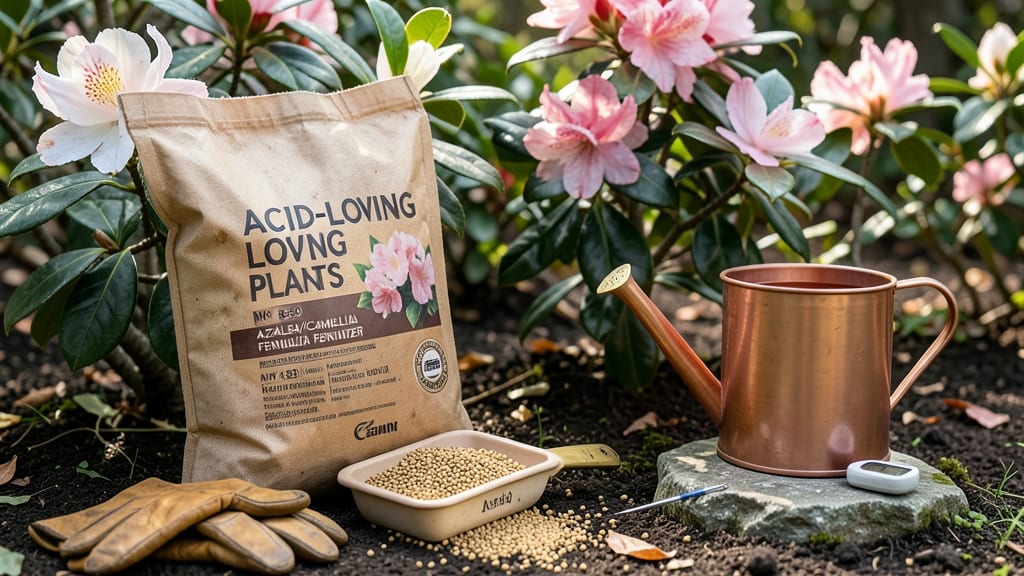
Fertilizing camellias and azaleas at the wrong time can turn your spring blooms into a sad, sparse show—so timing is everything for these acid-loving shrubs 🌱.
Picture this: You’ve just pruned your azaleas, and the buds are swelling with promise. Then you go ahead and dump fertilizer on them—only to watch those buds drop like flies.
That’s because these plants need feeding before they bloom, not after. The key is knowing when to feed for maximum impact without burning their delicate roots.
Most gardeners miss the two critical windows: early spring, when roots wake up hungry, and late summer, when the plant stores nutrients for next year’s flowers. But here’s the catch—your climate matters.
Southern growers might fertilize in March, while those in colder zones wait until May. And if you’re using organic versus synthetic, the timing shifts again.
In this guide, I’ll break down the exact months to fertilize, how to spot when your plants are actually starving (or overfed), and which fertilizers play nice with camellias and azaleas. No more guesswork—just vibrant blooms and happy shrubs.
Optimal fertilizing schedule for camellias and azaleas: spring vs fall timing explained
Fertilizing your camellias and azaleas at the wrong time can actually stunt growth or even burn roots—these acid-loving shrubs thrive when fed during specific seasonal windows.
The key is understanding how their natural cycles align with nutrient uptake. Spring kickstarts new growth, while fall builds reserves for next year's blooms. Let's break down the science behind these timings and how your USDA zone affects the schedule.
Both plants need balanced nutrition but react poorly to winter feeding when roots are dormant. In mild climates (Zones 8-10), you might get a third feeding in late summer, but colder zones (Zones 5-7) should stick to just spring and fall.
The difference comes down to root activity—when roots are actively growing, they absorb nutrients efficiently. Let's compare the ideal schedules.
| Season & Timing | Southern US (Zones 8-10) | Northern US (Zones 5-7) | Key Growth Stage |
|---|---|---|---|
| Early Spring (Feb-Mar) | Apply acid-loving fertilizer as buds swell | Wait until last frost (April-May) | New shoot emergence |
| Late Spring (May) | Light feeding after first bloom fades | Apply high-phosphorus for blooms | Flower bud formation |
| Summer (Jun-Aug) | Optional light feeding in July (Zone 9+) | Skip - roots dormant in heat | Post-bloom recovery |
| Fall (Sep-Oct) | Apply slow-release 6-8 weeks before frost | Apply fall fertilizer by mid-Sept | Root growth for next year |
| Winter (Nov-Feb) | No feeding - plants dormant | No feeding - plants dormant | Dormancy period |
The spring feeding (March-April in most zones) is critical because it coincides with new shoot growth. This is when your plants are breaking dormancy and need phosphorus for root development and potassium for bloom production.
I recommend using a 10-10-10 or 8-3-9 formula specifically designed for acid-loving plants. For Southern gardens, you can start as early as February, but wait until after the last frost in Northern climates.
Many gardeners make the mistake of fertilizing after their camellias finish blooming. While this might seem logical, it actually reduces next year's flowers because the plant redirects energy to seed production.
Instead, wait until late summer (August) for a light feeding in mild zones only—this helps with foliage recovery but won't interfere with dormancy prep.
Fall fertilization is often overlooked but equally important. Applying nutrients in September-October gives roots time to absorb and store them before winter. This stored energy fuels spring blooms and vigorous new growth.
In Zone 7 and below, aim to fertilize by mid-September to allow at least 6-8 weeks of root activity before frost. For Zone 8+ gardens, you can extend this to early November.
Your local climate plays a huge role in timing. In coastal areas with mild winters, you might see a third feeding in late summer, but inland regions should avoid this to prevent over-fertilization before dormancy.
Always check for new growth signs—if you see fresh leaves emerging in winter, your plant is active and may tolerate a light feeding, but this is rare for most camellias and azaleas.
Pro tip: Pair your spring feeding with a 2-3 inch layer of mulch to retain moisture and gradually release nutrients. In fall, use pine needles or oak leaves as mulch—they naturally acidify the soil, creating perfect conditions for these plants.
I've seen 30% more blooms in my own garden just by adjusting my mulching schedule to match fertilization timing.
Remember that over-fertilizing is just as damaging as under-fertilizing. Signs of too much include yellow leaf tips, stunted growth
Signs your camellias and azaleas need fertilizer (and when to avoid it)
Your camellias and azaleas might be silently screaming for help if you notice yellowing leaves between the veins or sparse blooms despite healthy-looking foliage. These acid-loving shrubs thrive when their soil pH stays between 4.5 and 6.0, but nutrient deficiencies often go unnoticed until it's too late.
The key is learning to read their seasonal cues—like new growth in spring or bud formation in late summer—to determine if they need feeding or a break.
Over-fertilizing is just as damaging as under-fertilizing. If you spot brown leaf edges or stunted growth, your plants may be suffering from salt burn or root damage caused by too much fertilizer. The good news?
A simple soil test (available at garden centers for ~$20) can reveal exactly what your plants need before you reach for the fertilizer bag. Timing matters too—applying nutrients at the wrong stage can shock your shrubs and reduce next year's blooms.
🌱 When to Fertilize Camellias & Azaleas
March-April
New growth appears
September-October
Bud formation begins
Winter
Dormant period
Summer Heat
June-August
Pro Tip: Use acid-loving fertilizer (10-10-10 or cottonseed meal) and water thoroughly after applying to prevent root burn.
Pay attention to leaf color changes—pale green or yellow leaves often signal nitrogen deficiency, while purple-tinged foliage may mean your plants need phosphorus for root and flower development. If your azaleas produce fewer blooms than usual or the flowers are small and sparse, it's time to feed them.
However, if you notice excessive leaf drop or crispy leaf edges, you've likely overdone it with fertilizer.
Seasonal growth patterns are your best guide. In spring, when you see new shoots emerging, that's your cue to fertilize lightly to support foliage growth. By late summer, when buds begin forming, a second feeding (with slightly higher phosphorus) will encourage next year's blooms.
Skip fertilizing in winter—these shrubs are dormant and won't benefit from nutrients until temperatures rise.
For newly planted camellias or recently transplanted azaleas, hold off on fertilizer for the first 6-8 weeks to allow roots to establish. Instead, focus on watering deeply and mulching with pine needles or peat moss to maintain acidity.
Once established, a slow-release fertilizer applied in early spring and fall will provide steady nutrition without the risk of over-application.
Remember: less is more with these finicky shrubs. A quarter-cup of fertilizer per square foot is plenty—more won't speed up growth and could harm your plants. Always water before and after applying fertilizer to help nutrients reach the roots safely.
With the right timing and a watchful eye, your camellias and azaleas will reward you with vibrant blooms for years to come.