
How To
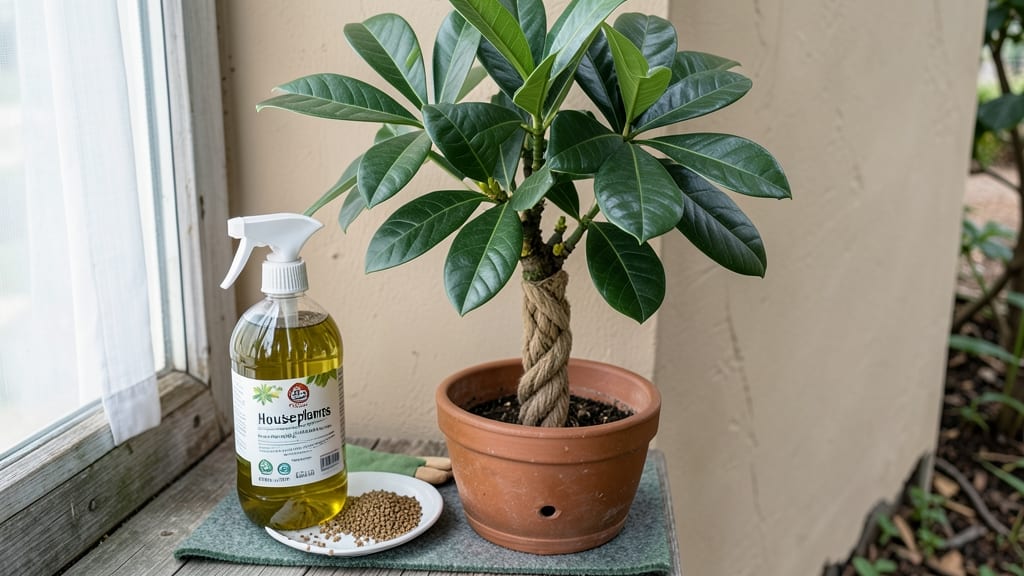
To fertilize your Money Tree 🌿 at the right time means feeding it when it’s hungry—not when it’s resting.
Your Money Tree (Pachira aquatica) thrives on balance—too little fertilizer leaves it sparse, while overdoing it burns its delicate roots. Timing matters just as much as the product, and mastering the right seasons can transform your plant from struggling to stunning.
Spring is the best time to kickstart growth, while summer keeps it lush, but fall and winter are when your Money Tree hits pause. Fertilizing during dormancy stresses the roots, so knowing when to hold off is just as critical as when to apply.
In this guide, I’ll walk you through the exact months to fertilize, how often to feed it without overdoing it, and the telltale signs your Money Tree is either starving or getting too much.
Optimal fertilizing schedule for Money Tree growth: spring & fall timing explained
Your Money Tree (Pachira aquatica) follows a natural growth cycle, with spring and summer being its prime time for nutrient uptake. The key to lush foliage lies in understanding these seasonal shifts—over-fertilizing in winter can stress roots, while skipping spring means missed growth opportunities.
Let’s break down the perfect timing for indoor and outdoor plants alike.
Indoor Money Trees thrive year-round, but their growth patterns still align with seasons. Outdoor plants in warmer climates (USDA Zone 10+) may need slight adjustments, but the core principles remain: feed when actively growing, rest during dormancy.
The difference? Outdoor plants often enter dormancy earlier, around late September, while indoor plants stay active longer.
Here’s your seasonal fertilization roadmap—when to feed, how much, and why it matters:
Spring is your money tree’s awakening season. By March 15th, your plant signals readiness with new leaf buds. Use a slow-release fertilizer to avoid root shock—think 1 tablespoon per 6-inch pot.
For potted plants, mix granules into the top 1 inch of soil; for liquid fertilizers, dilute to half-strength to prevent salt buildup.
Outdoor Money Trees in Zone 10+ can handle a light spring boost in April, but watch for heat stress.
If your plant’s leaves yellow along edges, it’s a sign of over-fertilization—flush the soil with water immediately. Organic options like worm castings are gentler for outdoor plants transitioning to warmer months.
Fall is all about tapering off. By October 1st, your Money Tree’s growth slows as daylight shortens. Skip fertilizer entirely to mimic its natural dormancy cycle. Instead, focus on pruning dead leaves and reducing watering. This prepares roots for winter, whether indoors or outdoors.
Winter care is simple: do nothing. Your plant’s roots are dormant, and fertilizer salts can burn delicate roots. Place indoor plants away from heating vents, which dry out soil.
If you notice brown leaf tips in winter, it’s likely low humidity, not nutrient deficiency—address with a pebble tray instead.
Pro tip: Flush your soil every 3 months (even in growing seasons) by watering until liquid runs from the drainage hole. This removes salt buildup from past fertilizers, keeping roots healthy. Timing matters most—never fertilize a thirsty plant; water first, then feed.
Remember, your Money Tree’s growth rate depends on light exposure too. If placed in low-light conditions, reduce fertilizer to half the recommended dose—it’s absorbing fewer nutrients anyway. Adjust your schedule based on your plant’s visual cues, not just the calendar.
With this seasonal rhythm, your Money Tree will reward you with glossy leaves and vigorous branching—proof that timing is everything in plant care. 🌿
Signs your Money Tree needs fertilizer (and when to hold off)
Your Money Tree 🌿 often signals its fertilizer needs through subtle but telling clues. Watch for yellowing leaves on older growth—this is a classic sign of nitrogen deficiency. New leaves may appear small or stunted, while slow growth over several weeks confirms it’s time to feed.
These symptoms usually appear when your plant hasn’t been fertilized for 3–4 months during its active growing season.
On the flip side, brown leaf tips or crispy edges often mean you’ve overdone it. This fertilizer burn happens when salt buildup from synthetic fertilizers damages roots, especially if you’ve applied too much or too frequently. Even organic fertilizers can cause issues if overused, so always dilute them properly.
Here’s how to diagnose properly: Gently remove your Money Tree from its pot and inspect the roots. Healthy roots are white or light tan with some fine hairs. If you see black, mushy roots or a white crust on the soil surface, that’s a clear sign of over-fertilization.
In this case, flush the soil with water immediately to reduce salt buildup.
When to Fertilize Money Tree
✅ Fertilize
- Spring (March–May): New growth phase
- Summer (June–August): Active foliage growth
- Organic options: Fish emulsion, worm castings
- Dilution: Half-strength for first feeding
❌ Hold Off
- Fall (September–November): Growth slows
- Winter (December–February): Dormancy period
- After repotting: Wait 4–6 weeks
- Signs of stress: Wilting, yellowing, brown tips
Pro Tip: Always water your Money Tree 24 hours before fertilizing to prevent root burn.
Organic fertilizers like fish emulsion or compost tea release nutrients slowly, making them ideal for Money Trees. They won’t cause the same salt buildup as synthetic options, but they still require careful timing. Apply them every 6–8 weeks during spring and summer, always following the product’s dilution instructions.
Synthetic fertilizers, like a balanced 10-10-10 formula, work faster but demand precision. Use them every 4–6 weeks and flush the soil with water every 3–4 months to prevent salt accumulation.
If you notice leaf drop or stunted growth after fertilizing, cut back immediately and resume feeding only when new growth resumes.
Remember, your Money Tree’s needs change with the seasons. In fall and winter, it enters dormancy, and fertilizing can actually harm it. Instead, focus on bright indirect light and moderate watering to keep it healthy until spring.
By tuning into these signs, you’ll keep your Money Tree thriving without the guesswork.