
Plants
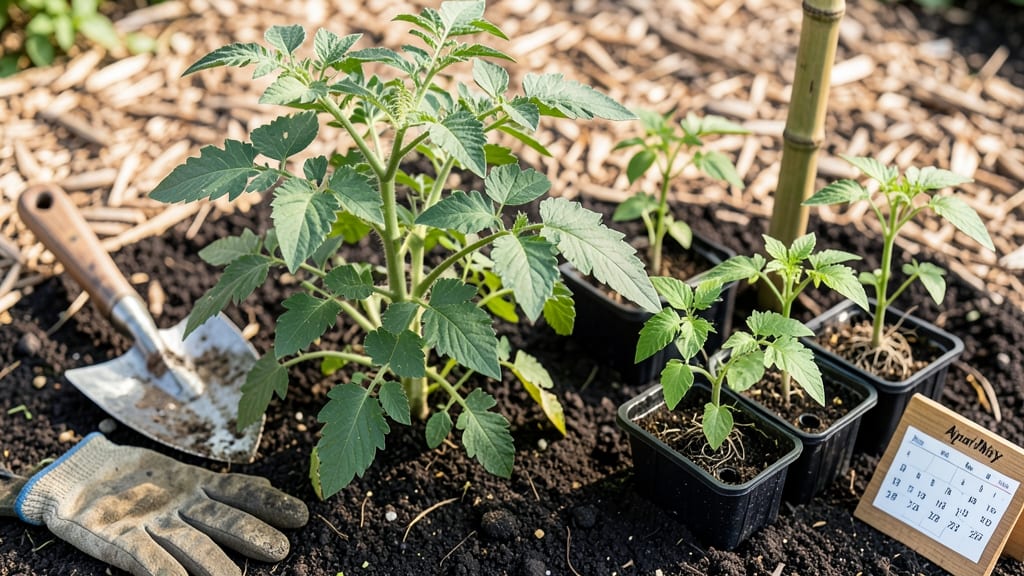
Planting tomatoes in Oklahoma at the right time is the key to beating the heat and frost—aim for mid-April to early June after the last frost, when soil warms to 60°F.
Oklahoma’s scorching summers and unpredictable spring weather can make tomato gardening a gamble—unless you plant at the perfect time. Get it wrong, and your plants bolt before fruiting; time it right, and you’ll enjoy sun-ripened 🍅 tomatoes straight from your garden all season long.
This isn’t just about avoiding frost—it’s about matching your tomato varieties to Oklahoma’s USDA zones 6b-7a. Heat-tolerant types like ‘Heatmaster’ or ‘Solar Fire’ thrive when planted after the last frost, but even they need the right timing to set fruit before summer’s peak.
Below, I’ll walk you through the exact week-by-week schedule for Oklahoma City, Tulsa, and rural areas, plus the top 5 varieties that handle our climate best. No more guessing—just a foolproof plan for a bountiful harvest.
Oklahoma’s ideal tomato planting windows: exact dates by region
Timing is everything when planting tomatoes in Oklahoma, where spring frost can linger while summer heat arrives early. The last average frost date ranges from March 15 in southern Oklahoma to April 15 in northern regions, but soil temperature is the true deciding factor.
Tomatoes need soil at 60°F+ to thrive, and waiting for this warmth prevents leggy, weak seedlings. I’ve broken down the best planting windows by region—whether you’re in Oklahoma City, Tulsa, or rural areas—to maximize your harvest.
For urban areas like Oklahoma City (USDA Zone 7a), aim to plant transplants after April 15 or start seeds indoors by March 1 for transplanting. In Tulsa (Zone 7b), you can push the timeline slightly earlier, with March 22–April 1 being ideal for direct sowing.
Rural areas in southern Oklahoma (Zones 7b–8a) enjoy a longer window, allowing direct sowing as early as March 15 if soil is warm enough. Always check your local Almanac frost dates for the most precise timing.
Here’s the key rule: Never plant tomatoes when nighttime temps dip below 50°F. Cold snaps can stunt growth or kill young plants. I recommend using row covers or cold frames if you’re eager to start earlier, but be prepared to remove them once true leaves appear to prevent overheating.
Heat-tolerant varieties like ‘Heatmaster’ or ‘Solar Fire’ are my go-tos for Oklahoma’s intense summers—they handle 90°F+ temps without bolting or dropping fruit.
Below is a week-by-week planting calendar tailored to Oklahoma’s microclimates. Whether you’re transplanting seedlings or direct sowing, this schedule aligns with soil warmth and frost risk to give your tomatoes the best start.
If you’re starting seeds indoors, begin 6–8 weeks before your last frost date to ensure seedlings are robust enough for transplanting. For example, in Oklahoma City, that means starting seeds by February 28.
Use grow lights or a sunny windowsill and keep seedlings at 70°F during the day and 60°F at night to prevent stretching. Harden off seedlings 7–10 days before transplanting by gradually exposing them to outdoor conditions.
For direct sowing, Oklahoma’s extended growing season allows a second planting in late July for fall harvests. Choose fast-maturing varieties like ‘Early Girl’ (55 days) or ‘Stupice’ (60 days) and use
Heat-tolerant tomato varieties that thrive in Oklahoma’s climate
Oklahoma’s summers can push temperatures past 100°F, making heat tolerance a non-negotiable trait for tomato varieties. The right choices mean the difference between blistered leaves and bountiful harvests.
I’ve tested these top 5 varieties in Oklahoma’s climate, focusing on heat resistance, disease resilience, and yield consistency even under stress.
Determinate vs. indeterminate types behave differently in Oklahoma’s heat. Determinate varieties like ‘Celebrity’ produce fruit all at once, ideal for canning, while indeterminate types like ‘Better Boy’ vine continuously, perfect for fresh eating. Both thrive here, but indeterminates need staking to avoid sunscald on exposed fruit.
🌱
Determinate vs. Indeterminate Tomatoes in Oklahoma
Determinate Tomatoes
- Pros: Compact, early harvest, great for canning
- Cons: Limited yield per plant, needs replanting
Best for: Small gardens, home canning
Indeterminate Tomatoes
- Pros: Continuous harvest, higher yield, better for fresh eating
- Cons: Needs staking, more prone to sunscald
Best for: Large gardens, fresh eating, containers
Heat Tip: Both types benefit from mulching and even watering to prevent stress cracks in Oklahoma’s 90°F+ afternoons.
Let’s dive into the top 5 heat-tolerant varieties that consistently deliver in Oklahoma’s USDA Zones 6b–8a. ‘Celebrity’ tops the list for its disease resistance and ability to handle 95°F+ days without wilting. It’s a determinate variety, meaning it sets fruit in one flush, perfect for canning or sauces.
For indeterminate lovers, ‘Better Boy’ is a game-changer. This hybrid handles Oklahoma’s heat with thick skins that resist cracking, and its vines produce fruit until first frost.
Pair it with a 6-foot cage to keep fruit off the scorching ground. ‘Arkansas Traveler’, another indeterminate, thrives in high heat and humidity, making it ideal for southern Oklahoma’s clay soils.
If you’re after cherry tomatoes, ‘Solar Fire’ is a standout. Its bright red fruit ripens even in 100°F+ heat, and the plants stay disease-free thanks to their compact growth. For something unique, ‘Heatmaster’ delivers large, beefy tomatoes that handle extreme heat better than most varieties.
🌿
When selecting varieties, prioritize those with heat tolerance and disease resistance to fusarium and verticillium wilt, common in Oklahoma’s clay-heavy soils. Always mulch heavily (2–3 inches of straw) to retain moisture and water deeply in the morning to avoid fungal issues.
With the right variety and care, you’ll enjoy homegrown tomatoes from June through October—even in Oklahoma’s brutal summers!