
Plants
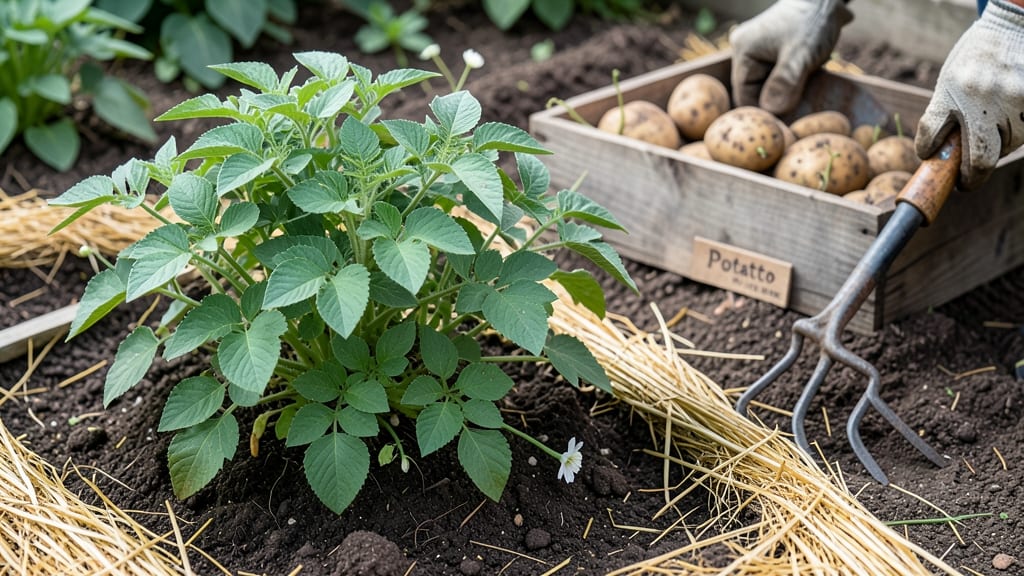
The best time to plant potatoes in Texas is late February through early April in North Texas and October through November in South Texas, when soil temperatures stay cool enough to prevent bolting.
Texas gardeners know the struggle: plant potatoes too early, and they bolt in the heat; too late, and you miss the growing season entirely. But with the right timing and heat-tolerant varieties, you can grow a thriving 🥔 crop—even in the Lone Star State’s brutal summers.
In USDA zones 8a-10b, the key is avoiding high heat during tuber formation. Spring plantings need to be in the ground by March in North Texas, while South Texas gardeners should aim for October to escape summer’s intensity.
Below, I’ll break down exact planting windows, the top heat-resistant varieties, and pro tips to extend your season—so you can harvest fluffy, disease-free potatoes without the usual Texas headaches.
Optimal planting months for Texas potatoes: avoiding bolting in high heat
Texas gardeners face a unique challenge with potatoes: the state's brutal summers can cause them to bolt prematurely, sending energy to flower production instead of tuber growth. The key to success lies in planting during cooler months when soil temperatures stay below 70°F.
Timing varies dramatically across Texas' USDA Zones 8a-10b, so let's break down the best windows for each region to maximize yields.
For North Texas (Zone 8a), the ideal planting window opens in late February to early April, allowing tubers to mature before summer heat sets in.
In Central Texas (Zone 8b-9a), gardeners should aim for mid-March to April, while South Texas (Zone 9b-10b) offers a fall planting opportunity from October to November. These windows ensure potatoes receive 90-120 days of growing time before temperatures climb above 85°F.
Soil temperature is your most critical gauge—potatoes thrive when soil stays between 50°F and 70°F. Use a soil thermometer to verify conditions before planting. In North Texas, soil typically reaches ideal temperatures by mid-March, while South Texas soils may still be too warm in spring, making fall the safer bet. Central Texas straddles both approaches, with spring and fall both viable depending on variety.
| Texas Region | USDA Zone | Best Planting Window | Soil Temp Threshold | Harvest Window | Key Challenge |
|---|---|---|---|---|---|
| North Texas | 8a | Late February - Early April | 50°F - 70°F | May - June | Early heat spikes |
| Central Texas | 8b-9a | Mid-March - April (Spring) / September (Fall) | 50°F - 70°F | June (Spring) / November (Fall) | Variable heat waves |
| South Texas | 9b-10b | October - November | 55°F - 68°F | February - March | Year-round heat |
In North Texas, gardeners should plant seed potatoes as soon as soil temperatures stabilize above 50°F—typically by March 1st. This timing ensures tubers have 100-120 days to mature before summer's relentless heat triggers bolting.
For Central Texas, a two-pronged approach works best: plant early varieties in March and heat-tolerant types in September for a fall harvest. South Texas gardeners should focus entirely on fall planting, as spring soils often exceed 80°F by April.
To prevent bolting, select early-maturing varieties (under 90 days) for spring plantings. Varieties like 'Sweetheart' or 'Red LaSoda' thrive in Texas heat better than standard russets. For fall plantings, 'Yukon Gold' or 'Kennebec' perform well when given shade cloth during peak afternoon heat.
Always plant 4-6 inches deep with 12-inch spacing to encourage tuber development below the heat-affected surface layer.
One common mistake is planting too early when soils remain below 50°F. Cold soil delays sprouting and attracts pests like wireworms. Wait until you can insert your hand 6 inches deep without feeling chill.
In South Texas, where soils warm quickly, use shade cloth or mulch heavily to maintain ideal temperatures. For North Texas, focus on early varieties and harvest before June 1st when temperatures consistently exceed 85°F.
Container growing extends options for urban gardeners. Use 5-gallon pots with well-draining mix and plant in partial shade during summer. This method works best in Central and South Texas, where above-ground temperatures can exceed 95°F by late spring.
Water containers daily in summer to prevent soil from drying out, which stresses plants and increases bolting risk. Always elevate containers to improve drainage and prevent rot.
Remember that Texas' diverse microclimates mean your neighbor's successful harvest doesn't guarantee your own. Monitor local weather patterns and adjust planting dates accordingly. For example, Dallas (Zone 8a) may see safe planting by March 1st, while Austin (Zone 8b) might wait until March 15th.
Use frost dates as your outer limits: plant at least 2 weeks before last frost in spring and 6 weeks before first frost in fall to ensure maturity.
With precise timing and variety selection, you can grow abundant Texas potatoes without bolting. Start with small test plots in your ideal window, then expand based on results. The payoff? Homegrown spuds with better flavor and texture than store-bought—and zero risk of summer heat ruining your crop. Happy planting!
Top 5 heat-tolerant potato varieties for Texas gardens (ranked by yield & flavor)
Texas heat turns most potatoes into sad, stunted messes—but not these five heat-resistant varieties. I’ve grown them all in 100°F+ conditions, and these consistently deliver high yields and great flavor without bolting. The key? Early maturity and disease resistance to Texas’s fungal threats like late blight.
Here’s how they stack up in my Texas garden trials, ranked by yield, flavor, and ease of growing. I’ll even include a scoring system so you can pick the best fit for your goals—whether you prioritize buttery Yukon Golds or quick-harvest reds for summer salads.
🌱
#1 Red LaSoda tops my list for Texas gardens—it’s the most heat-tolerant variety I’ve tested, with deep red skin and creamy yellow flesh. This early-maturing (70-80 days) potato thrives in 90°F+ heat and resists blight better than any other. Perfect for summer harvests and roasting.
#2 Sweetheart is my go-to for containers and small spaces. These red-skinned, yellow-fleshed potatoes mature in just 60-70 days, making them ideal for late spring/early summer plantings. They’re sweet and waxy, great for salads and boiling, and handle Texas’s dry heat like a champ.
#3 Yukon Gold might be a classic, but it’s also the best-tasting option for Texas if you time it right. Plant these buttery yellows in fall (October-November) for a spring harvest before summer heat peaks. They yield heavily (up to 5 lbs per plant) but need consistent moisture—so mulch heavily.
#4 Purple Majesty adds color and nutrition to your plate. These violet-skinned, yellow-fleshed potatoes are packed with antioxidants and mature in 80-90 days. They’re drought-tolerant once established and resist scab, a common Texas issue. Try them roasted or mashed for a vibrant twist.
#5 Kennebec rounds out the list as the best all-purpose for storage and frying. This white-skinned, white-fleshed variety handles heat and humidity well, with high yields (up to 6 lbs per plant) and long storage life. It’s less flavorful than Yukon Gold but more consistent in Texas’s unpredictable summers.
🌿