
Plants
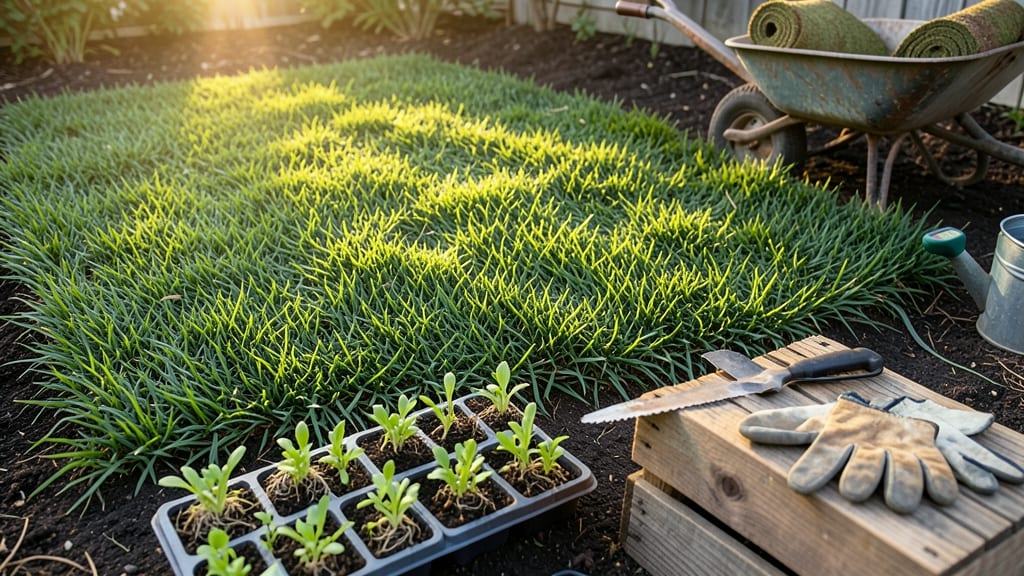
The best time to plant St. Augustine grass in Texas is late spring to early summer or early fall, when soil temperatures stay above 65°F and rainfall supports root growth.
Picture this: you’ve spent weeks prepping your yard, only to watch your new grass struggle under Texas’ brutal summer heat or freeze in a late-spring frost.
The difference between a lush lawn and a patchy disappointment often comes down to timing—not just the calendar, but the hidden cues like soil warmth and moisture.
Texas’ varied climate means the ideal window shifts from North Texas’ cooler springs to South Texas’ extended growing seasons. Too early, and tender roots risk frost; too late, and summer’s scorching sun can stunt growth before it even starts.
The key? Plant when the soil is consistently warm and rainfall patterns favor root establishment.
In this guide, I’ll break down the exact months by region, how to check soil temperature like a pro, and the three critical mistakes that derail even the best-laid lawn plans. Let’s get your St. Augustine grass off to the right start.
Optimal planting windows by Texas region: soil temperature & rainfall triggers
Texas' diverse climate means St. Augustine grass planting success hinges on understanding soil temperature and rainfall patterns by region. North Texas has cooler springs, while South Texas faces brutal summer heat—each requires different timing.
The ideal soil temperature for planting is consistently above 65°F, but regional rainfall triggers can shift your window by weeks.
In North Texas (Zones 8a-8b), plant between mid-April and late May when soil warms and frost risk fades. The East Texas humidity (Zones 8a-9a) extends your window to March through June, but watch for spring rains that can delay soil warming.
Meanwhile, South Texas (Zones 9b-10a) demands early fall planting (August-September) to escape summer's scorching heat.
Here's how to use a soil thermometer for accuracy: Bury it 4 inches deep in shade, check readings at 10 AM for consistency. If temps dip below 65°F at night, wait—St. Augustine roots won't establish properly in cool soil.
Pro tip: West Texas drought areas (like Lubbock) may need supplemental irrigation to maintain moisture during establishment.
Avoid planting during peak summer months (June-August) in most regions—95°F+ soil stresses young grass. Instead, aim for early fall when temps drop slightly and humidity rises, giving roots time to strengthen before winter. Central Texas (Austin/San Antonio) has the most flexibility, with March-May or August-September windows.
For East Texas, prioritize planting when spring rains taper off—typically by mid-April. The region's high humidity (60%+) helps maintain soil moisture, but standing water can suffocate roots. Use a soil moisture meter to confirm 1-2 inches of water per week—more during droughts.
In West Texas, where annual rainfall averages 12 inches, rely on drip irrigation to keep soil consistently moist during establishment.
My pro tip: In Central Texas, split your planting into two batches—March-April for cooler areas and August-September for heat-tolerant varieties like 'Floratam'. This hedge against unpredictable spring rains or summer heatwaves. Always mulch with 2-3 inches of compost to retain moisture and regulate soil temperature.
Watch for local rainfall forecasts—a 3-day forecast of 1+ inch of rain is ideal before planting. Too much rain can waterlog soil, while dry spells force you to hand-water daily.
In South Texasmonsoon season (June-September) for natural moisture, but avoid hurricane season (August-October) when winds can damage young grass.
Remember: St. Augustine grass needs 6+ hours of sunlight daily, but afternoon shade helps in
How to prepare your Texas lawn for St. augustine grass planting: soil & weather checklist
Preparing your Texas lawn for St. Augustine grass means focusing on two critical factors: soil conditions and weather timing. This grass thrives in warm soil with a pH between 6.0 and 7.5, but Texas’ unpredictable weather—from sudden heatwaves to erratic rainfall—can derail even the best-laid plans.
The key is to create an environment where roots can establish quickly before summer’s intensity sets in.
Start by testing your soil pH and temperature. Use a soil thermometer to confirm the ground is consistently above 65°F—the minimum for healthy root growth. In Texas, this often means waiting until late spring or early fall, when temperatures stabilize.
Ignoring this step can lead to slow germination or even death of young grass in extreme heat or cold.
Next, adjust your irrigation schedule to match Texas’ seasonal shifts. Overwatering before planting can drown seeds, while underwatering stresses new roots. Aim for deep, infrequent watering (1-1.5 inches per week) once planted, focusing on early morning to reduce evaporation and fungal risks.
This balance is crucial, especially in regions like North Texas where droughts are common.
- ✔️ Soil Temp Check: Wait until soil is consistently above 65°F (use a thermometer at 4-inch depth).
- ✔️ pH Test: Adjust soil to 6.0-7.5 using lime (to raise) or sulfur (to lower) if needed.
- ✔️ Weather Window: Plant in late spring (April-May) or early fall (August-September) to avoid summer heat or frost.
- ✔️ Rainfall Prep: Schedule 1-1.5 inches of water weekly post-planting; avoid waterlogging.
- ✔️ Heat Warning: Avoid planting when temps exceed 95°F—roots struggle to establish.
Don’t overlook the importance of soil amendments. Texas soils often lack organic matter, which is vital for St. Augustine grass. Mix in 2-3 inches of compost or aged manure before planting to improve drainage and nutrient retention.
This step is especially critical in clay-heavy soils common in East Texas, where poor drainage can suffocate roots.
Finally, monitor local weather forecasts for the week after planting. Sudden heatwaves or dry spells can stress young grass, while unexpected rainfall can lead to erosion or fungal issues.
If a 100°F+ heatwave is forecasted within 7 days of planting, delay your project until conditions cool. Patience here ensures your grass has the best chance to thrive.
With these steps, your St. Augustine grass will establish a deep, resilient root system before Texas’ summer intensity peaks. The investment in prep time now pays off with a lush, low-maintenance lawn that handles the state’s challenges like a pro. Happy planting! 🌿