
Plants
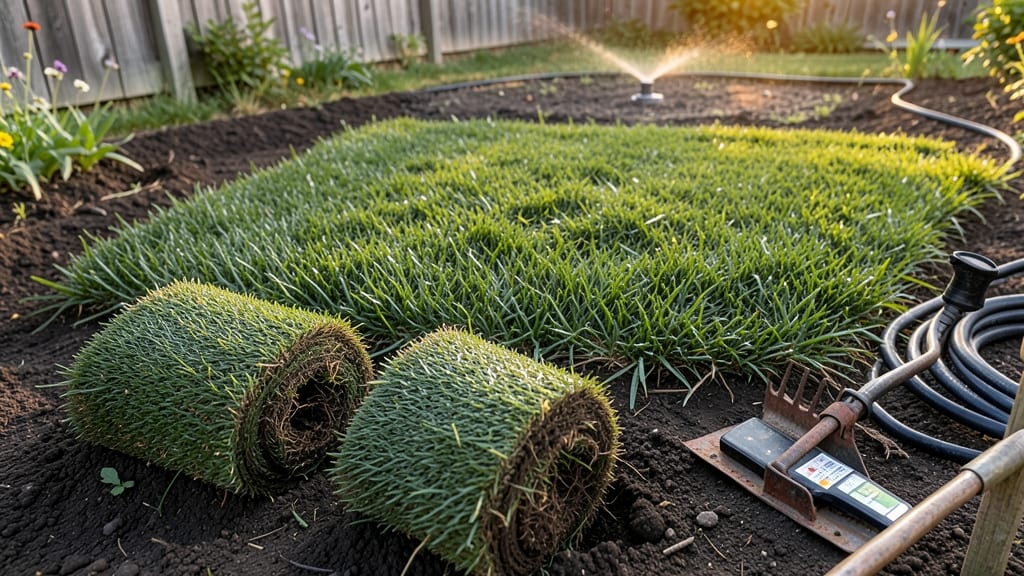
Planting St. Augustine sod in Texas at the right time means the difference between a lush, green lawn and a failed investment 🌱.
Texas homeowners know St. Augustine grass is the gold standard for lush, heat-resistant lawns—but timing your sod installation wrong can mean wasted money and failed growth. Plant too early, and winter freezes stunt roots; too late, and summer’s brutal heat burns tender grass before it establishes.
If you’ve ever watched your new sod turn brown within weeks of installation, you know how critical the timing is. The key is planting when soil temperatures stay above 65°F for at least 4-6 weeks, giving roots time to grip before summer’s peak heat arrives.
In this guide, I’ll break down the exact months for North, Central, and South Texas, plus soil prep tips and post-planting care to ensure your sod thrives—no matter where you live in the Lone Star State.
Best months to plant St augustine sod in Texas (by region)
Getting your St. Augustine sod down at the right time is everything in Texas. The Lone Star State’s extreme heat and variable frost dates make timing critical—plant too early, and winter freezes can damage tender roots; too late, and summer’s scorching sun will stress new grass before it establishes.
Each Texas region has its own ideal planting window, so let’s break it down by zone to ensure your lawn thrives.
The key to success is planting when soil temperatures stay above 65°F (18°C) for consistent root growth. Most Texas regions see their best results in early spring (March-April) or late summer (August-September), but frost risks in North Texas and humidity spikes in South Texas add layers of complexity.
Let’s dive into the specifics for your area.
Soil temperature is your best friend when scheduling sod installation. Use a soil thermometer to confirm temps—65°F+ is the magic number for root establishment. In North Texas, wait until after the last frost (usually mid-February to early March), while South Texas can start as early as January thanks to milder winters. Central Texas falls somewhere in between, with March-April being the sweet spot.
| Region | Best Planting Months | Soil Temp Threshold | Frost Risk | Key Consideration |
|---|---|---|---|---|
| North Texas (Dallas/Fort Worth) | March-April September-October |
65°F+ (18°C+) | High (last frost: Feb 15) | Avoid summer heat; spring planting allows 6+ weeks before peak summer. |
| Central Texas (Austin/San Antonio) | February-March August-September |
65°F+ (18°C+) | Moderate (last frost: Jan 31) | Spring planting benefits from consistent rainfall; fall avoids late-summer drought. |
| South Texas (Houston/Corpus Christi) | January-February August-September |
65°F+ (18°C+) | Low (last frost: Jan 1) | Early planting avoids summer humidity stress; fall planting escapes peak heat. |
For North Texas, focus on March-April or September-October to avoid frost damage and summer heatwaves. The Dallas/Fort Worth area typically sees its last frost around February 15, so waiting until March ensures your sod isn’t shocked by late freezes.
If you choose fall planting, aim for early September to give roots time to establish before winter sets in. September-October is ideal because soil stays warm longer, and cooler temps reduce stress on new grass.
Central Texas, including Austin and San Antonio, has a slightly longer window due to milder winters. Plant in February-March for spring growth or August-September for fall establishment. The last frost date here is around January 31, so early spring planting is safer. Avoid July planting—100°F+ temps can bake new sod before roots take hold. If you miss spring, late summer (August) is your next best bet, as humidity drops slightly and soil remains warm.
In South Texas, including Houston and Corpus Christi, you can plant as early as January thanks to minimal frost risk. However, summer humidity and heat spikes make August-September the preferred window.
The region’s longer growing season means you can extend planting into early October, but avoid November—cooler temps slow root growth. South Texas’ higher rainfall in spring can also lead to waterlogged soil, so proper drainage is critical if planting early.
One critical mistake many Texas homeowners make is planting St. Augustine sod in June or July. While it’s technically possible, the intense heat and drought conditions during these months can cause sod to dry out before roots establish.
If you must plant in summer, choose early June and prioritize deep, frequent watering to keep soil moist. For best results, though, stick to the spring or fall windows outlined above.
Pro tip: Test your soil temperature before planting—even if the calendar says it’s the right month. Use a soil thermometer to confirm 65°F+ at a 4-inch depth.
If temps are cooler, wait a few days or even a week. Root establishment is directly tied to soil warmth, and rushing can lead to poor growth or brown patches later. Patience now means a thicker, greener lawn in just 4-6 weeks.
Finally, don’t forget that St. Augustine grass thrives in humid climates, so watering consistency is just as important as timing. After planting, water daily for the first 2 weeks to encourage root contact with the soil.
Once established, reduce to 2-3 times per week, but always check for 1-1.5 inches of water per week. Combine this with the right planting window, and your Texas lawn will be the envy of the neighborhood.
How to prepare your Texas lawn for sod planting (Step-by-Step)
Preparing your Texas lawn for St. Augustine sod starts months before the first roll hits the ground. The key is creating the perfect conditions for root establishment—especially since Texas summers can turn new sod into crispy brown patches if you’re not careful.
I’ve learned the hard way that skipping soil prep is like building a house on sand: it looks good at first, but the foundation fails under pressure.
Your sod needs well-draining soil with a pH between 6.0 and 7.5, and weeds must be eradicated before they steal nutrients from your new grass. Even in Texas’ transition seasons (spring and fall), proper prep ensures your sod doesn’t struggle to take root when temperatures spike or dip unexpectedly.
- 📋 Step 1: Test and Adjust Soil pH
Use a soil test kit to check your lawn’s pH. If it’s below 6.0, amend with lime (apply 2-3 months before planting). For pH above 7.5, add sulfur or peat moss. - 📋 Step 2: Remove All Weeds and Debris
Kill weeds with a non-selective herbicide (like glyphosate) 2-4 weeks before sod arrival. Rake away dead plants and rocks to ensure clean soil contact. - 📋 Step 3: Till the Soil
Loosen the top 4-6 inches of soil with a rototiller. This breaks up compacted layers and improves water/root penetration. - 📋 Step 4: Level the Ground
Fill low spots with a mix of topsoil and compost (70/30 ratio). Use a lawn rake to smooth uneven areas—sod follows the contours of your yard. - 📋 Step 5: Install Irrigation
Set up a drip irrigation system or soaker hoses to deliver 1-1.5 inches of water daily for the first 2 weeks. Avoid overhead sprinklers, which can wash away sod. - 📋 Step 6: Lay Sod on a Cool Day
Choose a mild day (60-75°F) to install sod. Start at the sunniest edge of your yard and stagger seams like brickwork for a seamless look. - 📋 Step 7: Water Immediately After Planting
Soak the sod deeply within 30 minutes of installation. Keep soil moist (not soggy) for the first 4-6 weeks to encourage root growth.
One mistake I see often is rushing the soil prep—especially in North Texas, where spring can swing from chilly mornings to 90°F afternoons in a week. Give yourself at least 4-6 weeks before planting to test soil, amend, and let conditions stabilize.
If you’re in South Texas, focus on shade prep (St. Augustine tolerates partial shade but needs airflow to prevent fungal issues).
After laying sod, avoid walking on it for 2-3 weeks to prevent smothering new roots. I also recommend applying a light layer of mulch (like straw) around trees or shrubs to retain moisture and protect tender roots from Texas heat stress.
With the right prep, your St. Augustine sod will establish a deep root system in time for summer’s worst—no brown patches in sight!
Pro tip: If your soil is sandy (common in West Texas), mix in 2-3 inches of compost to improve water retention. Clay soils? Add gypsum to break up compaction. The goal is a loose, fertile base that mimics the natural conditions St. Augustine thrives in.