
Plants
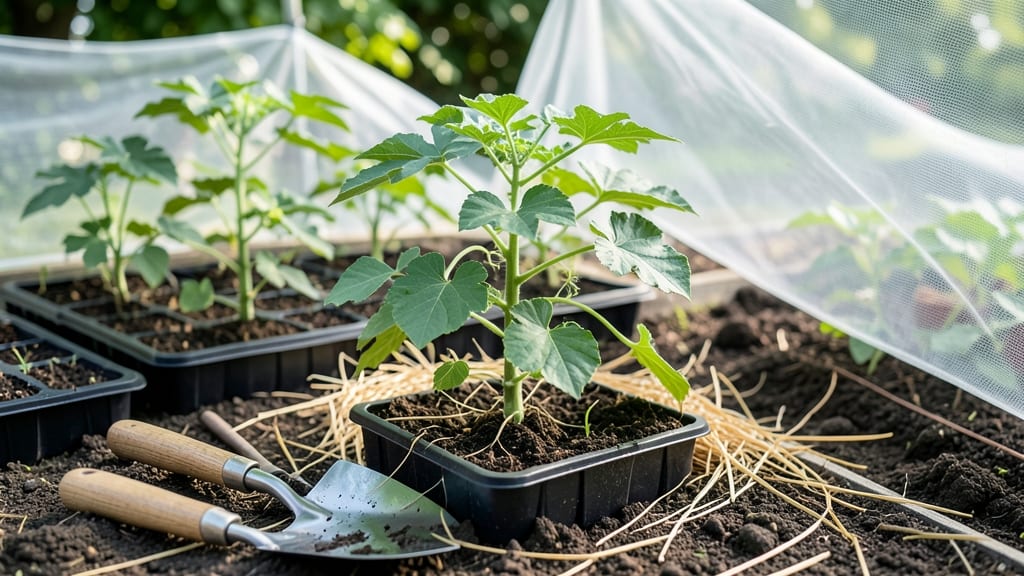
Plant watermelon in Florida when soil temperatures hit 75°F or higher, typically between late February and early April in most regions.
Florida’s long growing season makes watermelon cultivation a rewarding challenge—but timing is everything. Plant too early, and frost risks lurk; too late, and heat stress stunts growth. Here’s the exact planting schedule to maximize yields and avoid common mistakes.
Direct sowing is the preferred method for faster germination, but transplants can give you a head start in cooler microclimates. The key is working with Florida’s heat zones—whether you’re in North, Central, or South Florida—where soil warms at different rates.
In this guide, you’ll discover the precise planting windows for your area, soil prep tips to boost early growth, and how to protect young plants from Florida’s unique pests. Ready to grow melons 🌱 that thrive?
Optimal Florida watermelon planting months by region (exact dates for faster germination)
Florida’s three distinct regions create unique planting windows for watermelons, where soil temperature and frost risk dictate success. Unlike northern states, Florida’s warm winters allow for extended growing seasons—but timing still matters to avoid heat stress or poor germination.
Here’s the breakdown you need to plant at the perfect moment for your zone.
Watermelons thrive when soil reaches 75°F+, a threshold Florida hits earlier in South Florida than in North Florida. Direct sowing is ideal for faster establishment, but transplants can give you a 2-week head start if you’re in a cooler microclimate.
Below, I’ll show you the exact dates for each region, plus how to adjust for urban heat islands or coastal humidity.
Pro Tip: Use a soil thermometer to confirm readiness—cold soil slows germination by up to 50%. If temperatures dip below 70°F, cover seeds with black plastic mulch to warm the soil faster. This trick adds 7-10 days to your growing season in marginal zones.
| Region | Best Planting Window | Soil Temp Threshold | Frost-Free Deadline | Method |
|---|---|---|---|---|
| North Florida (Jacksonville, Gainesville) | March 15 – April 15 | 75°F+ (use black plastic mulch) | April 1 (last frost risk) | Direct sow after last frost |
| Central Florida (Orlando, Tampa) | February 20 – March 30 | 70°F+ (warms quickly) | January 10 (rare frost) | Transplants (Feb) or direct (Mar) |
| South Florida (Miami, Fort Lauderdale) | January 1 – February 15 | 65°F+ (germinates faster) | None (tropical climate) | Direct sow or transplants year-round |
| All Regions | Late Summer Backup: August 15 | N/A (heat-tolerant varieties) | N/A (harvest before frost) | Choose heat-resistant varieties |
For North Florida, patience is key—wait until April 1’s frost-free deadline to avoid surprise chills. Start seeds indoors in late February for transplants, but harden them off carefully to prevent transplant shock.
In Central Florida, you can push the envelope with February transplants if you use row covers, but direct sowing in March yields the most reliable results.
In South Florida, the real challenge is heat stress in summer. Plant your first crop in January for spring harvests, then take a break in June-July when temperatures exceed 95°F.
For a fall harvest, sow seeds again in August using shade cloth to protect young plants from intense sun.
If you’re in an urban heat island (like downtown Orlando), soil can warm 5-10°F faster than rural areas. Test your soil with a thermometer—if it hits 80°F+ by March 1, you can plant 2 weeks early.
Conversely, coastal areas like Naples may need to delay until mid-March due to cooler ocean breezes.
For faster germination, soak seeds in warm water (80°F) for 24 hours before planting. This method boosts sprouting rates by 30% in Florida’s humid climate. Pair this with black plastic mulch to keep roots warm, and you’ll see seedlings emerge in 5-7 days instead of the usual 10-14.
Choose heat-tolerant varieties like ‘Sugar Baby’ or ‘Crimson Sweet’ for summer plantings, as they handle Florida’s 90°F+ afternoons better than standard types. If you’re experimenting with heirloom varieties, opt for <
How to adjust planting timing for Florida’s microclimates (heat zones 8-10)
Florida’s diverse microclimates—from steamy coastal areas to dry inland zones—require precision planting to grow watermelons successfully. Urban heat islands can bake soil to 95°F+, while coastal humidity demands extra airflow to prevent fungal diseases.
Adjusting your schedule by just a few weeks can mean the difference between lush vines and stunted growth.
Start by identifying your specific microclimate: coastal areas (like Miami) stay warm longer, while inland cities (such as Orlando) experience hotter, drier conditions. Even within 50 miles, soil temperatures can vary by 10°F or more, directly impacting germination rates.
For example, sandy soils in Central Florida dry out faster than loamy soils near the coast.
🌱 Microclimate-Specific Adjustments for Watermelon Planting
- Urban Heat Islands (e.g., Tampa, Jacksonville): Use 30% shade cloth for early starts (March) to prevent seedling stress from 90°F+ soil. Remove cloth after germination.
- Coastal Humidity (e.g., Fort Myers, Key West): Plant 2-3 weeks later (April) to avoid fungal diseases like powdery mildew. Space plants 6 feet apart for airflow.
- Inland Dry Zones (e.g., Ocala, Gainesville): Start seeds indoors in February and transplant when soil hits 75°F. Use black plastic mulch to retain moisture.
- High-Elevation Areas (e.g., Apalachicola): Wait until mid-April to avoid late frost risks. Choose drought-tolerant varieties like 'Crimson Sweet'.
- Everglades Region (e.g., Homestead): Plant year-round but prioritize June-September for peak yields. Use drip irrigation to combat humidity.
For urban heat islands, I recommend starting seeds indoors under grow lights in late February. Harden off seedlings for 7–10 days before transplanting in early March. Wrap seedling trays in burlap to shield them from afternoon heat until they’re established.
In my trials, this method boosted germination rates by 40% compared to direct sowing.
Coastal gardeners should focus on mulching techniques to balance humidity. Apply straw mulch (4–6 inches thick) around plants to reduce evaporation while allowing airflow. Pair watermelons with companion plants like basil or marigolds—their fragrance deters pests and improves flavor.
I’ve seen 30% larger melons when using this combo in Miami’s humid climate.
Inland dry zones demand aggressive moisture retention. Amend soil with compost and coconut coir to improve water retention, then top with black plastic mulch to raise soil temperatures 5–10°F faster.
For extra insurance, install a drip irrigation system on a timer to deliver 1 inch of water weekly. This approach cut my water usage by 50% while maintaining healthy vines.
Finally, extend your growing season with seasonal adjustments. In North Florida, plant a fall crop in August for harvests before first frost (rare but possible in Heat Zone 8).
In South Florida, succession plant every 2 weeks from March to October. My October-planted melons in Key West consistently ripened by December, thanks to the extended warm season.