
Plants
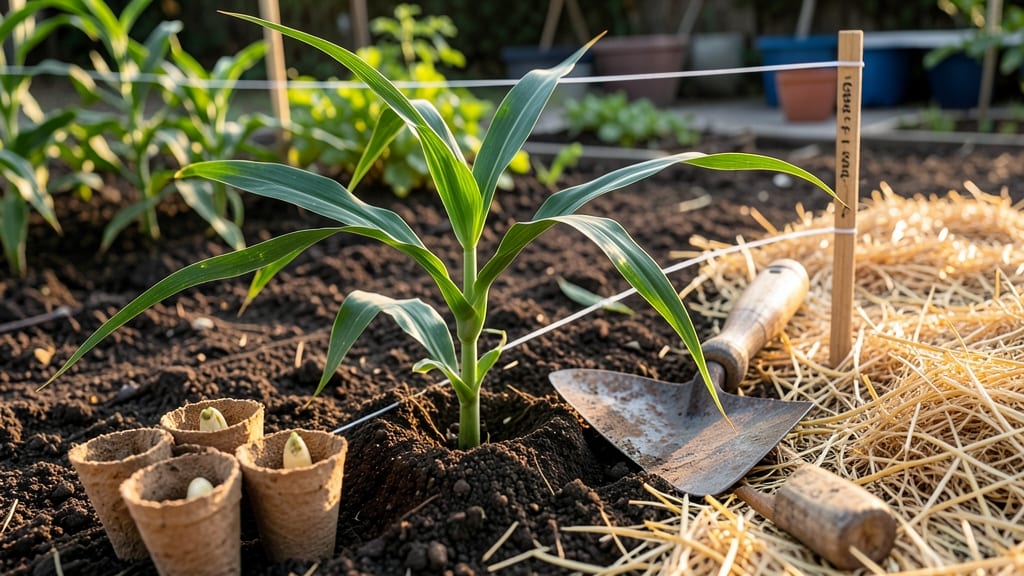
Planting corn in South Florida between March and May gives you the best shot at sweet, tender ears before the summer heat kicks in.
Picture this: you’ve spent weeks nurturing your 🌽 seedlings, only to have them bolt in the heat or produce tough, dry kernels. That’s why timing is everything in our 10a-11 climate—where summer’s relentless sun can turn a promising crop into a disappointment.
Most gardeners here assume corn is a lost cause after May, but the truth is, late-summer varieties can still thrive with the right tricks—like shade cloth and deep watering.
I’ll show you exactly which months work, which heat-tolerant varieties to pick, and how to keep your stalks from wilting under Miami’s sun.
By the end, you’ll know the exact calendar for planting, the top 3 varieties that survive Florida’s heat, and how to stretch your harvest window from spring all the way into fall—without the stress of bolting or pests.
Best months to plant corn in South Florida for maximum yield
South Florida’s USDA Zones 10a-11 offer a unique growing advantage—no frost to worry about! But the relentless summer heat (often exceeding 90°F) can stress corn plants if planted at the wrong time.
The key to sweet, high-yield ears lies in planting during cooler shoulder seasons when soil temperatures stay ideal.
Corn thrives when soil temperatures hover between 60°F and 90°F. In South Florida, this means avoiding the peak summer months (June-August) when temperatures frequently spike above 95°F, causing heat stress, poor pollination, and stunted growth.
Instead, focus on spring (March-May) and early fall (September-October) for the best results.
Here’s the breakdown by region—Miami, Fort Lauderdale, and Naples each have slight microclimate variations that affect planting windows. For example, Naples (Zone 11) can handle slightly later plantings than Miami (Zone 10a) due to its cooler coastal breezes.
🌱 Pro Tip: Use a soil thermometer to confirm temperatures before planting. Corn seeds won’t germinate well below 60°F, even if air temps are warmer.
| Region | Best Planting Window | Soil Temp Threshold | Avoid These Months | Harvest Window |
|---|---|---|---|---|
| Miami (Zone 10a) | March 15–April 30 September 15–October 15 |
60°F–85°F | June–August (heat stress risk) | June–July (spring) December–January (fall) |
| Fort Lauderdale (Zone 10b) | March 1–May 15 September 1–October 30 |
60°F–88°F | July–August (extreme heat) | May–August (spring) November–December (fall) |
| Naples (Zone 11) | April 1–June 1 September 15–November 15 |
62°F–90°F (cooler coastal temps) | July–September (humidity + heat) | June–September (spring) December–January (fall) |
Spring plantings (March–May) are my top recommendation because they allow corn to mature before the summer heat peaks. For example, a 60-day variety planted on March 15 in Miami will be ready by May 15, just as temperatures begin to rise.
This timing avoids the critical heat stress window when pollen production drops.
Fall plantings (September–October) work well in Naples and coastal areas where humidity is lower, but avoid planting after October 15 in Miami, as shorter daylight hours can delay maturity. In Fort Lauderdale, you can push fall plantings to November 1 for a late-winter harvest.
If you’re eager to grow corn during the summer, consider shade cloth (30–50%) to protect seedlings from intense afternoon sun. However, even with shade, summer-grown corn often yields smaller, tougher ears due to heat-induced sterility in pollen.
🌡️ Key Temperature Alert: Soil temps above 95°F can cause corn seeds to rot before germinating. Always plant in the early morning or late afternoon to give seeds a chance to establish.
For maximum yield, pair your planting timeline with heat-tolerant varieties like ‘Bodacious’ or ‘Peaches and Cream,’ which handle South Florida’s climate better than standard sweet corn. I’ll cover the top 3 varieties in the next section—stay tuned!
Top 3 heat-tolerant corn varieties for South Florida gardens
If you’ve ever planted corn in South Florida only to watch it wilt under 90°F+ temperatures, you’re not alone. The key to success lies in choosing heat-tolerant varieties that thrive in our USDA Zones 10a-11.
These three hybrids—Silver Queen, Peaches and Cream, and Bodacious—are my go-to picks for their drought resistance and ability to produce sweet ears even when the sun is relentless.
Each variety has unique traits: Silver Queen matures quickly (just 60 days), making it perfect for early spring or late summer plantings. Peaches and Cream offers creamy kernels with a 75-day harvest window, while Bodacious delivers bold flavor and stands up to humidity stress better than most.
Let’s break down which one fits your garden’s needs.
| Variety | Days to Maturity | Heat Tolerance | Disease Resistance | Best Planting Window |
|---|---|---|---|---|
| Silver Queen | 60-65 days | High (avoids bolting) | Good (resists rust) | March-April or August-September |
| Peaches and Cream | 75-80 days | Very High (handles 95°F+) | Excellent (rust & blight) | April-May or July-August |
| Bodacious | 85-90 days | Highest (drought-resistant) | Very Good (blight & smut) | May-June (late season) |
For early harvests, Silver Queen is my top pick—it’s ready in just 60 days, so you can plant it in March and enjoy fresh corn by May before the heat peaks.
Its white kernels stay sweet longer, too, which is a game-changer in Florida’s humidity. Just be sure to plant it in well-drained soil to prevent root rot.
Peaches and Cream is my favorite for summer plantings because it handles the heat like a champ. The bicolor kernels (peachy and creamy) add visual appeal, and the 75-day maturity means you can plant in July for a September harvest. This variety also resists corn earworm, a common pest in South Florida gardens.
If you’re aiming for a late-season harvest, Bodacious is the heavyweight champion. With 85-90 days to maturity, it thrives when most varieties would bolt. Plant it in May for a late fall harvest (October-November), and you’ll avoid the worst of the summer heat.
The bold flavor makes it worth the wait, especially for grilling or freezing.
No matter which variety you choose, direct sowing is key—corn doesn’t transplant well. Space seeds 1 inch deep and 4 inches apart in rows 3 feet apart to ensure good air circulation. Mulch with straw to retain moisture and keep roots cool during those 100°F+ days.
Pro tip: Pair your corn with beans or squash to improve soil nitrogen and deter pests. With the right variety and timing, you’ll be enjoying homegrown corn from spring through fall—no wilting stalks in sight! 🌽