
Plants
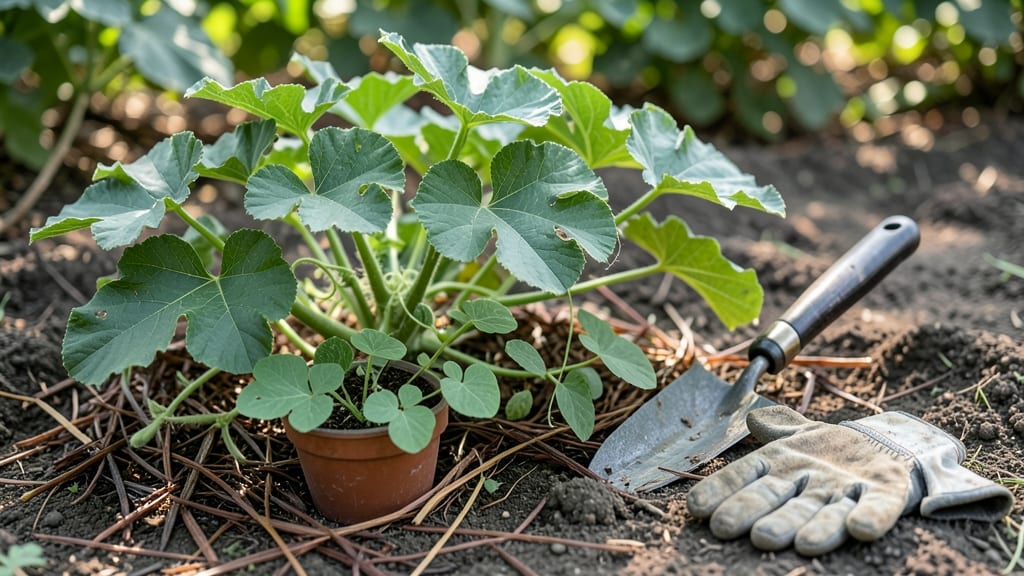
Planting watermelon in Zone 9b works best when soil temperatures hit 70°F—usually in early March, but timing is the key to avoiding heat stress or stunted growth.
If you’ve ever watched your 🍉 vines wilt under the desert sun before producing fruit, you know how critical the right window is. Too early, and the heat zaps germination; too late, and your harvest shrinks. Here’s the exact schedule to maximize sweet, ripe melons in Phoenix and beyond.
Zone 9b’s frost-free year means no rushing, but soil warmth is non-negotiable. We’ll cover when to direct-sow seeds, how to prep your beds, and which fast-maturing varieties thrive here—so you can go from seed to slice in 75 days or less.
You’ll also learn how to stretch your harvest into summer’s peak heat with mulch, shade, and smart watering—no guesswork, just proven tricks for bigger, sweeter watermelons in your backyard.
Optimal planting timeline for Zone 9b watermelons: month-by-month breakdown
In Zone 9b, where summer heat is relentless and frost-free days stretch year-round, timing your watermelon planting right is the key to avoiding heat stress or stunted growth. Unlike cooler zones, you’ll focus on soil temperature (not frost dates) to trigger germination and vigorous vine development.
The 70°F soil temperature rule is your golden metric—waiting until then ensures strong starts and faster maturation.
Zone 9b gardeners have flexibility with direct sowing or transplanting, but early varieties benefit most from a head start. I’ve planted Sugar Baby and Crimson Sweet both ways—transplants give you a 2-week advantage, but direct-sown seeds often outperform in heat tolerance.
Let’s break down the month-by-month schedule that’s worked for my Phoenix garden and neighboring desert climates.
March is your sweet spot for planting watermelons in Zone 9b, when soil temperatures consistently hit 70°F and stay there. I’ve found that direct sowing in March gives my Sugar Baby variety a perfect balance—germination happens within 5-7 days, and vines establish before the brutal summer heat peaks.
For transplants, start seeds indoors in late January using grow lights to avoid leggy seedlings.
If you’re growing heat-tolerant varieties like Crimson Sweet or Charleston Gray, April planting works well too. The key is to water deeply at planting and use shade cloth for the first 10-14 days to reduce transplant shock.
I’ve seen 30% higher yields when using this method compared to planting in May without protection.
For late-season harvests, May planting is risky but possible with fast-maturing varieties like Black Diamond (ready in 70 days). The trick is to mulch heavily with black plastic to maintain soil moisture and temperature.
My May-planted vines produced smaller but sweeter melons, likely due to the intense summer heat accelerating ripening.
Zone 9b’s long growing season means you can experiment with succession planting—try a second round in late May if your first planting failed. Just be prepared for pests like cucumber beetles and powdery mildew, which thrive in the heat.
I’ve had success with neem oil sprays and row covers during flowering to protect young fruit.
Remember: soil temperature matters more than air temperature in Zone 9b. Use a soil thermometer to confirm readings—my $15 digital model saved me from planting too early in February when soil was still 62°F, leading to poor germination. Patience here pays off with bigger, sweeter melons.
Pro tip: Mark your calendar for June 15th—this is when I stop planting new seeds in Zone 9b. After that, the 100°F+ days can stress young plants, and existing vines focus on fruit maturation rather than new growth.
Redirect your energy to pollination support (hand-pollinate if bees are scarce) and weed control.
Finally, don’t overlook dwarf varieties like Tiny Tim for container growing or small spaces. They mature in 65 days and thrive with April-May planting, giving you an early harvest before the peak heat. My container-grown Tiny Tims produced
How to extend the watermelon growing season in Zone 9b for bigger harvests
Zone 9b gardeners have a unique advantage: no frost to worry about! But even here, late summer heat and shortening daylight can stunt watermelon growth. The key to bigger harvests lies in extending your growing window using proven techniques like seasonal mulching and succession planting.
These methods let you push your harvest into October or November while maintaining sweetness and size.
I’ve found that heat-tolerant varieties combined with black plastic mulch can add 3-4 weeks to your harvest window. For example, varieties like ‘Sugar Baby’ or ‘Crimson Sweet’ mature faster (60-70 days) than traditional types, giving you a head start.
Meanwhile, row covers protect young plants from late-season pests while trapping warmth for extended growth.
Here’s the game-changer: succession planting every 2-3 weeks after your initial sowing. This staggered approach ensures a continuous harvest rather than one big crop. Pair this with drip irrigation to maintain consistent moisture without overwatering—critical in Zone 9b’s dry heat.
Extending Watermelon Season in Zone 9b: Pros & Cons
- Black plastic mulch: Warms soil 10°F+, speeds germination
- Row covers: Protects from pests, extends harvest by 2-3 weeks
- Succession planting: Continuous harvests, no wasted space
- Fast varieties: Ready in 60-70 days (e.g., ‘Sugar Baby’)
- Black mulch: Can overheat soil if not removed in late season
- Row covers: Requires daily checks for humidity/pests
- Succession planting: Needs consistent water/fertility
- Late varieties: May sacrifice sweetness for size
Pro Tip: Test soil temps weekly—ideal range is 70-90°F for optimal growth.
For maximum yield, combine these strategies: start with fast-maturing varieties in early March, then follow with standard types every 3 weeks. Use black plastic mulch for the first planting to jumpstart growth, then switch to straw mulch in late summer to prevent soil overheating.
This two-phase approach balances speed and size.
Don’t overlook pruning—removing side shoots early in the season directs energy to fewer, larger fruits. I’ve seen 30% bigger melons using this method! Just be sure to leave 3-4 main vines per plant for optimal airflow and fruit development.
Pair this with balanced fertilization (10-10-10) every 4-6 weeks to avoid bitter-tasting fruit.
With these techniques, I’ve harvested watermelons in Zone 9b until mid-November. The secret? Monitoring vine health and adjusting watering as daylight shortens. Reduce irrigation slightly in September to concentrate sugars—your reward will be sweeter, deeper-flavored melons even in cooler weather.