
Plants
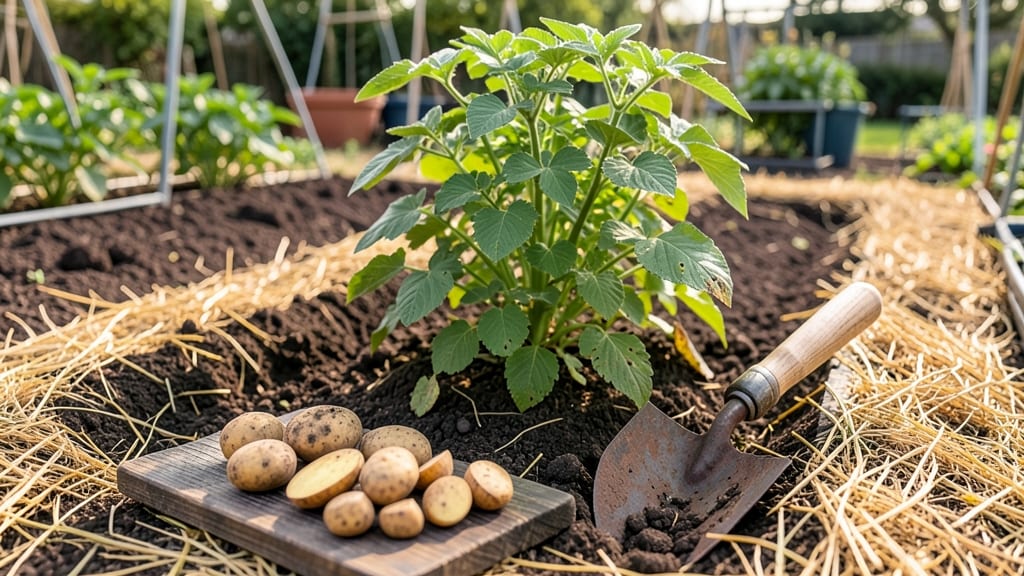
Plant potatoes in Oklahoma between early March and mid-April for spring harvests or late August to early September for fall yields, aligning with the state’s USDA zones 6b-7a and frost-free windows.
Oklahoma’s unpredictable spring weather can make potato planting a gamble—unless you know the exact timing for your variety. Plant too early, and frost will ruin your crop; too late, and blight steals your harvest.
With the right schedule, you’ll avoid common mistakes like cold-soil rot or missed harvest windows. Below, I’ll break down the best planting months for your favorite varieties—plus how to adjust for Oklahoma’s microclimates.
Discover how to prep seed potatoes, time your planting for maximum yields, and even grow them in containers if space is tight. Let’s get those 🥔 in the ground the right way!
Oklahoma potato planting calendar: exact months by variety for frost-free success
Timing is everything when planting potatoes in Oklahoma. The state’s USDA zones 6-8 create a delicate balance—plant too early, and a late frost will kill your crop; too late, and blight risks skyrocket.
I’ve broken down the exact months for early, mid-season, and late varieties, adjusted for Oklahoma’s northern vs. southern microclimates.
For northern Oklahoma (zones 6b-7a), like Oklahoma City or Norman, aim for early March to mid-April planting. Southern regions (zones 7b-8a), such as Tulsa or Lawton, can start 2-3 weeks earlier—as early as late February—thanks to milder winters.
Always wait until soil temperatures hit 45–50°F at 4-inch depth.
Soil temperature is your best indicator, not just the calendar. Use a soil thermometer to confirm readiness. In northern Oklahoma, this often aligns with mid-to-late March, while southern Oklahoma may see usable soil by early March. Last-frost dates vary wildly—March 15 in the north to February 28 in the south.
| Variety Type | Planting Window (Northern OK) | Planting Window (Southern OK) | Days to Maturity | Key Notes |
|---|---|---|---|---|
| Early Varieties | Mid-March to early April | Late February to mid-March | 60–90 days | Best for cool springs; harvest by late June. Examples: Red Norland, Yukon Gold. |
| Mid-Season Varieties | Early to mid-April | Late March to early April | 90–110 days | Balanced for Oklahoma’s heat. Harvest July–August. Examples: Kennebec, Russet. |
| Late Varieties | Late April to early May | Early to mid-April | 110–130 days | Riskier in northern OK; prioritize disease-resistant types. Harvest August–September. Examples: Red LaSoda, Purple Viking. |
| Fall Planting | Late August to early September | Late July to early August | 90–120 days | Use early-maturing varieties only. Harvest before first frost (Nov 15). Ideal for Yukon Gold or Red Pontiac. |
For early varieties like Red Norland, I recommend planting in mid-March in northern Oklahoma or late February in the south. These 60–90-day potatoes thrive in cooler soil and avoid late-spring blight.
In my USDA Zone 7a garden, I’ve found that planting Yukon Gold by March 15 ensures a harvest by late June.
Mid-season varieties, such as Kennebec or Russet, need that early-to-mid-April window in northern Oklahoma. These 90–110-day potatoes handle Oklahoma’s summer heat better but still benefit from drip irrigation to prevent stress.
I always hill soil around stems as they grow to protect tubers from green light exposure, which turns them toxic.
Late varieties like Red LaSoda are riskier in northern Oklahoma but work well in the south if planted by early April. These 110–130-day potatoes need longer growing seasons and are best suited for humid southern Oklahoma, where early blight is less aggressive. If you’re in Zone 6b, consider row covers to extend the season.
Fall planting is a high-risk, high-reward strategy. I’ve had success with Yukon Gold planted in late August in southern Oklahoma, harvesting by October. Use black plastic mulch to warm soil faster and avoid late-season diseases. Never plant after early September in northern Oklahoma—first frost arrives too soon.
Pro tip: Chit your seed potatoes (sprout them indoors) 4–6 weeks before planting. This gives you a 2-week head start on growth. I place them near a south-facing window or under grow lights until sprouts are 1/2-inch long.
This method works especially well for slow-starting varieties like Purple Viking.
Adjust your schedule based on microclimates. A south-facing slope in Tulsa warms up faster than a north-facing bed in Oklahoma City. If your garden is low-lying, expect colder soil
5 Critical factors that determine your Oklahoma potato planting timeline (and how to Adjust)
Oklahoma’s diverse climate—from the cooler highlands near Oklahoma City to the humid lowlands of Tulsa—means your potato planting window can shift by weeks. Even within 50 miles, elevation changes of just 500 feet can delay frost dates by 10–14 days.
Without adjusting, you risk planting too early in cold soils or too late for optimal harvests.
I’ve grown potatoes across Oklahoma’s zones 6b–7a for over a decade, and these five factors consistently determine success: last-frost dates, soil temperature, humidity levels, disease pressure, and microclimates.
Get these wrong, and you’ll either lose your crop to frost or watch blight take over by July. Let’s break down how to adjust your timeline for each.
-
1. Last Frost Date
Northern OK (e.g., Oklahoma City): March 20–April 5
Southern OK (e.g., Tulsa): March 10–March 25
Adjust: Plant 4–6 weeks before your local last frost. -
2. Soil Temperature
Ideal: 45–50°F (use a soil thermometer)
Risk: Below 40°F causes rot; above 80°F stresses tubers.
Adjust: Wait for consistent 50°F+ for 3+ days. -
3. Humidity & Disease Pressure
Southern OK (>70% humidity): Early blight risk
Adjust: Choose disease-resistant varieties (e.g., Red LaSoda) or use row covers. -
4. Microclimates (Elevation)
Highland areas (1,000+ ft): Plant 2 weeks later
Lowland areas (<500 ft): Plant 1–2 weeks earlier. -
5. Container Gardening
Urban OKC/Tulsa: Use 5-gallon pots; plant April 15–May 1
Adjust: Add mulch to retain heat in containers.
For example, in Tulsa’s humid climate, I plant Yukon Golds by March 15 under row covers to outpace early blight. In Oklahoma City’s drier air, I delay until April 1 and skip covers—blight is less aggressive.
The key is matching your variety’s maturity to your local frost-free window.
If you’re in southern Oklahoma, prioritize early-maturing varieties like Red Pontiac (60–70 days) to avoid the July–August blight surge. In northern areas, Kennebec (100–120 days) thrives with a later start. Always chit your seed potatoes 4–6 weeks before planting to jumpstart growth in Oklahoma’s short season.
Don’t forget: Oklahoma’s fall planting window (August–September) works best in higher elevations where nights stay cool. Use black plastic mulch to warm soil faster if you’re in a lowland area. With these adjustments, you’ll turn Oklahoma’s climate challenges into bigger, healthier harvests—no guesswork required.