
Trees
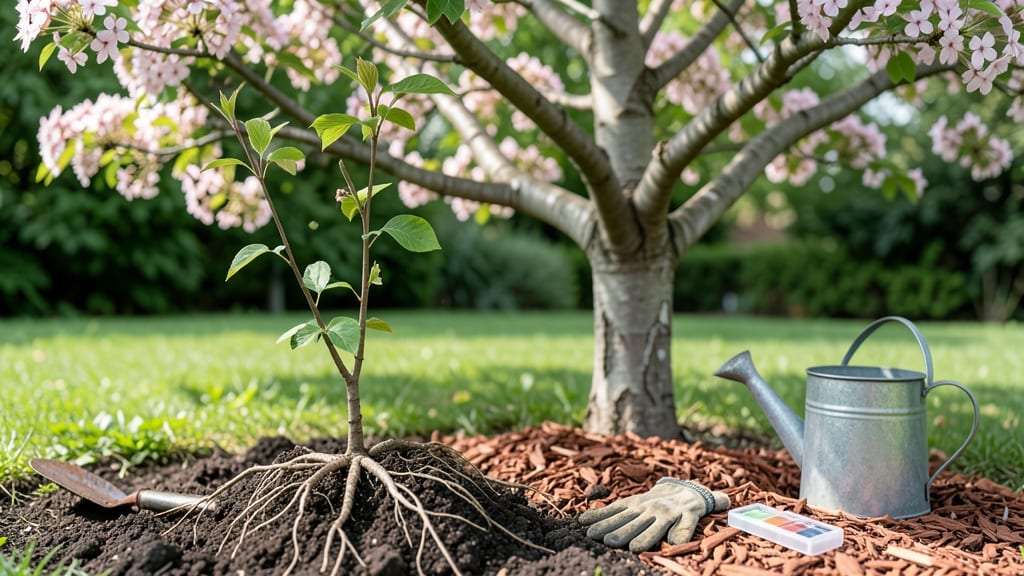
Planting dogwood trees in Georgia during late fall to early spring ensures strong root growth before summer heat arrives—this is the optimal window for your 🌳 to thrive in zones 7a–8b.
Georgia’s mild winters and hot summers create the perfect climate for dogwood trees—but planting at the wrong time can stunt growth or even kill your tree. Timing is everything for these beloved spring bloomers, and missing the window by even a month can mean weaker roots and delayed flowering.
Bare-root dogwoods should go in the ground while dormant, between November and March, when soil temperatures stay cool. Container-grown trees offer more flexibility but still need to avoid Georgia’s brutal summer heat or early spring frosts.
In this guide, I’ll break down the best months for your zone, how to prep the soil, and what to watch for if your tree struggles after planting.
Best months to plant dogwood trees in Georgia’s climate zones
Georgia’s USDA zones 7b-8a offer ideal conditions for dogwood trees, but the perfect planting window depends on your region and tree type. In North Georgia (cooler, higher elevations), aim for late fall to early spring when soil temps drop below 60°F.
Meanwhile, South Georgia gardeners have a slightly longer window due to milder winters and fewer frost risks.
The key is avoiding extreme heat or frost—both can stress young roots. For bare-root dogwoods, late fall (November) or winter (December-February) is best, while container-grown trees can handle spring planting (March-April) with proper acclimation.
Let’s break down the best months for each zone and tree type to ensure your dogwood thrives from day one.
⚠️ Pro Tip: Always check soil temperature (use a soil thermometer) before planting—ideal temps are 45-60°F for root establishment.
| Zone & Region | Best Planting Months | Soil Temp Range | Tree Type | Frost Risk |
|---|---|---|---|---|
| North Georgia (7b) | November–March | 45–60°F | Bare-root | High (Nov-Mar) |
| North Georgia (7b) | March–April | 50–65°F | Container-grown | Moderate (late frost risk) |
| South Georgia (8a) | November–April | 50–70°F | Bare-root or container | Low (Dec-Feb) |
| South Georgia (8a) | April–May | 60–75°F | Container-grown | None |
| All Zones | Avoid June–August | N/A (too hot) | Any | High heat stress |
For North Georgia gardeners, November is prime for bare-root dogwoods, as the ground is cool but not frozen, and trees enter dormancy naturally. If you miss this window, March planting works for container-grown trees, but acclimate them gradually to avoid transplant shock.
In South Georgia, the window extends later—April is ideal for both bare-root and container trees, with minimal frost risk.
Container-grown dogwoods have an advantage: they can be planted year-round (except in extreme heat), but spring or fall is still best. Before planting, soak the root ball for 10-15 minutes to reduce transplant stress.
If planting in summer (May-August), provide extra shade and water to help roots establish before the next growing season.
One critical factor is soil preparation. Dogwoods prefer well-draining, slightly acidic soil (pH 5.0–6.0). Amend heavy clay soils with compost or pine bark to improve drainage. In urban areas, where soil may be compacted, consider planting in a raised bed or incorporating organic matter like leaf mold.
If you’re in Zone 7b (North Georgia), avoid planting after mid-April, as late frosts can damage new growth. Use frost cloth if planting in March to protect young leaves.
For Zone 8a (South Georgia), you can push planting to early May, but monitor weather forecasts for sudden cold snaps, especially in higher elevations like the Blue Ridge Mountains.
Remember, dogwood trees are
Signs your dogwood planting timing is wrong (and how to fix it)
If your dogwood tree shows yellowing leaves within weeks of planting, it’s a red flag. This often signals root shock from improper timing—like planting too late in Georgia’s spring when soil temperatures spike. Container-grown trees are especially vulnerable if transplanted during summer heatwaves (June-August), as their roots struggle to adapt.
Another warning sign is stunted growth—your tree might only grow 1-2 inches in its first year instead of the expected 2-3 feet. This happens when planted too early (November) before the ground cools, or too late (May) when the dog days of summer stress young roots.
Even bare-root dogwoods planted outside their dormant season (December-February) can suffer.
🌳
⚠️ Wrong Timing = Weak Roots
Georgia’s ideal window: November–March (bare-root) or September–April (container-grown). Planting outside this risks fungal infections (from wet soil in spring) or root desiccation (summer drought).
Check for poor root establishment by gently lifting the soil around your tree’s base. If roots appear brittle or brown, it’s a sign of transplant shock from bad timing.
Container-grown trees need 3–4 weeks of acclimatization before planting—skip this, and roots may suffocate in Georgia’s clay-heavy soils. Amend with compost or peat moss to improve drainage.
For late plantings (April–May), prioritize deep watering (10–15 gallons weekly) and mulching with 3 inches of pine straw. This mimics Georgia’s natural humid microclimate and protects roots from heat stress. If you planted in summer, prune 1/3 of the foliage to reduce water loss while roots establish.
Early plantings (October–November) risk frost damage. If your tree shows blackened leaf edges after a cold snap, wrap the trunk with burlap and avoid fertilizing until March.
For container-grown trees planted in fall, move pots to a shaded, sheltered spot until spring. Harden them off gradually to prevent shock when transplanting.
Pro tip: Use a soil thermometer to confirm 50–60°F soil temps before planting—this is the sweet spot for dogwood roots in Georgia’s Zone 7b–8a. If temps are higher, wait 2–4 weeks or plant in partial shade until conditions improve.
Patience now means blooms in 3–5 years instead of stunted growth.