
Plants
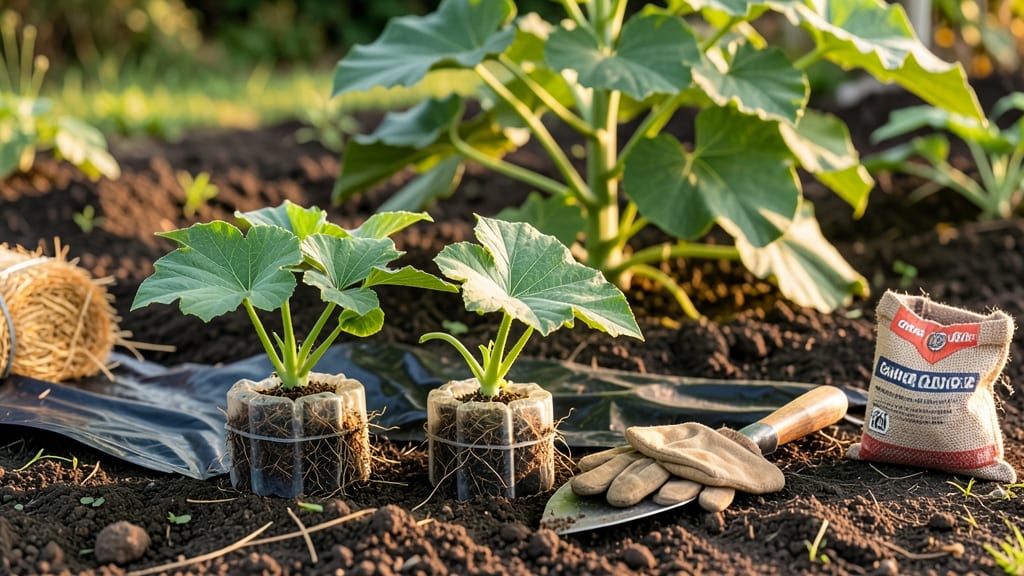
Planting zucchini in Massachusetts after the last frost date—typically mid-April—sets the stage for a bumper crop 🎃.
Massachusetts gardeners know timing is everything—plant zucchini too early, and frost will kill your seedlings; too late, and you’ll miss the summer harvest. Get it right, and you’ll enjoy bushels of fresh, homegrown zucchini straight from your garden.
With USDA Zone 6a conditions, soil temperature and frost-free days become the key factors. Waiting until the ground warms to at least 60°F ensures strong root growth and faster maturation.
In this guide, I’ll break down the exact planting windows, soil prep tips, and how to adjust for early or late seasons—so you can maximize your harvest from June through September.
Massachusetts zucchini planting dates by USDA Zone 5B: exact timing guide
Massachusetts gardeners in USDA Zone 5B (think Boston, Worcester, or Springfield) face a short but productive growing season for zucchini. The key to success lies in planting at the right time—after the last frost date and when soil temperatures consistently reach 60°F or higher.
Timing this correctly means the difference between a bumper crop and wasted effort. Let’s break down the exact windows for planting zucchini in your region, so you can enjoy fresh, homegrown produce all summer long.
In Zone 5B, the average last frost date falls around May 15th, but this can vary by week depending on microclimates. For example, coastal areas like Boston may see frost-free conditions a week earlier, while inland cities like Worcester might experience frost a bit later.
Always check your local Almanac’s frost calendar or use a soil thermometer to confirm readiness. Planting too early risks frost damage, while waiting too long can shorten your harvest window.
Zucchini thrives in warm soil, so aim to plant seeds or transplants when the ground temperature reaches at least 60°F. In Zone 5B, this typically aligns with late May to early June.
For a fall harvest, you can also plant a second crop in late July, giving zucchini enough time to mature before the first frost hits around mid-October. This two-pronged approach maximizes your yield and ensures you have fresh zucchini from summer through early fall.
If you’re starting zucchini from seeds indoors, begin sowing 4-6 weeks before your last frost date (around mid-April for Zone 5B). Use a heat mat to maintain soil temperatures between 65-75°F, which speeds up germination.
Once seedlings have 2-3 true leaves and the risk of frost has passed, transplant them outdoors. This method gives your zucchini a head start and extends your growing season.
For those who prefer direct sowing, wait until the soil is consistently 60°F or warmer—usually late May to early June. Plant seeds 1 inch deep and 2-3 feet apart in rows spaced 3-4 feet apart to allow for adequate airflow and growth.
Direct sowing is simpler but may result in slower initial growth compared to transplants. If you’re in a cooler microclimate, opt for black plastic mulch to warm the soil faster and protect young plants.
One common mistake in Zone 5B is planting zucchini too early, only to have seedlings killed by a late frost. To avoid this, use row covers or a cold frame for the first few weeks after transplanting.
These protective measures buy you extra time to establish strong plants before removing them once temperatures stabilize. Monitor your local weather forecasts and adjust your planting timeline if an unexpected frost is predicted.
For a fall harvest, plant zucchini seeds in late July to give them enough time to mature before the first frost in mid-October. Choose fast-maturing varieties like ‘Eight Ball’ or ‘Black Beauty’, which can go from seed to harvest in as few as 45 days.
This second planting ensures you’ll have fresh zucchini well into autumn, even as summer winds down.
Remember, zucchini plants are heavy feeders, so amend your soil with compost or aged manure before planting. They also need consistent
How to extend your zucchini growing season in Massachusetts: tips to avoid early frost
Massachusetts’ short growing season can feel like a race against time—especially for zucchini, which thrives in warm weather. With first frost often arriving by mid-October, I’ve learned to use clever tricks to squeeze every last harvest from my garden.
The key? Protecting plants and strategic timing to beat the clock.
One of my favorite methods is succession planting, where I stagger seeds every 2-3 weeks from early June through July. This ensures a steady supply of zucchini while the season lasts. Pair this with fast-maturing varieties (like ‘Eight Ball’ or ‘Black Beauty’), and you’ll have harvests until frost.
Don’t overlook mulching—a thick layer of straw or leaves insulates soil and keeps roots warm. I add mulch in early September to delay soil cooling. Pair this with black plastic mulch during the day to absorb heat, then cover with row fabric at night.
For a fall harvest, try direct sowing in late July. These late plants grow quickly in warm September soil and often produce before frost. I’ve had success with ‘Gold Rush’, a yellow variety that ripens in 50 days—perfect for a short season.
Lastly, monitor weather forecasts and prepare for early frosts. If frost is predicted, cover plants with old blankets or cardboard (even temporary protection helps). With these tricks, I’ve extended my zucchini season by 6-8 weeks—enough for a bountiful harvest! 🌱