
Plants
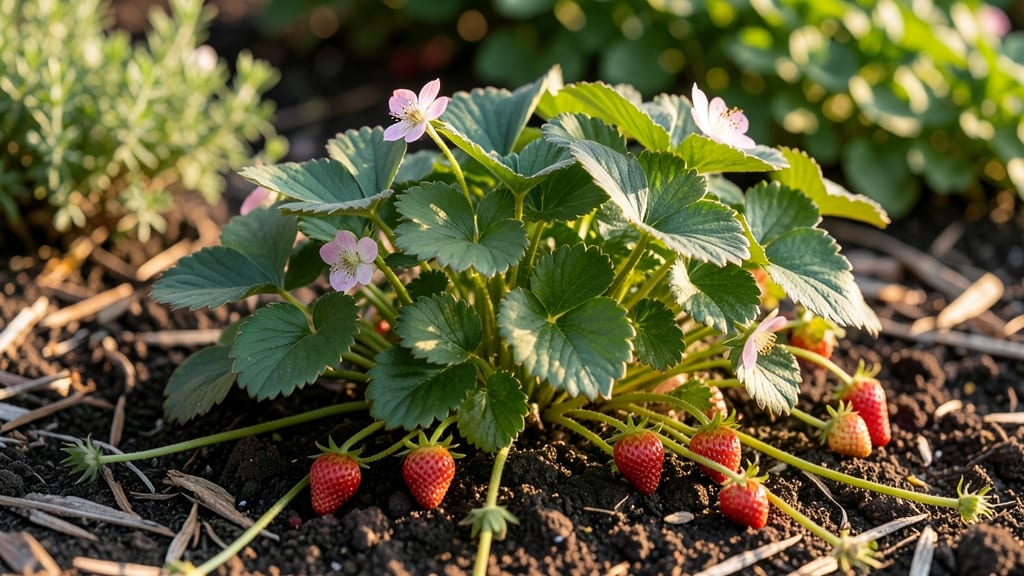
Strawberry plants typically grow between 6 and 18 inches tall, depending on the variety and growing conditions — a range that can surprise gardeners expecting a uniform height.
Ever wondered why your 🍓 strawberries in containers stay short while ground-planted ones spread wider? The answer lies in root space, pruning habits, and whether you’re growing June-bearing, everbearing, or day-neutral types. Each variety has its own growth quirks that directly impact your harvest.
For example, dwarf varieties like Alpine max out at 4-8 inches, making them perfect for hanging baskets, while everbearing types like Seascape can stretch to 12-18 inches when given room to sprawl. Understanding these differences helps you plan your garden layout and avoid overcrowding.
In this guide, I’ll break down height expectations by variety, how planting methods (containers vs. ground) affect growth, and the 5 most common mistakes that stunt strawberry plants — so you can maximize both size and sweet berries.

Strawberry plant height by variety: junebearing vs everbearing vs day-neutral differences
When planning your strawberry patch, knowing how tall your plants will grow helps you design your garden layout and choose the right varieties for your space. Strawberries generally stay compact, but their height varies dramatically between June-bearing, everbearing, and day-neutral types.
These differences directly impact fruit production timing and care requirements, so selecting the right variety for your climate and goals is key.
The mature height of strawberry plants typically ranges from 4 to 18 inches, depending on the variety and growing conditions. While all strawberries are relatively low-growing, their growth habits influence how you should space them, prune them, and even whether they thrive in containers.
For example, everbearing varieties like Seascape often grow slightly taller to support multiple harvest cycles, while June-bearing varieties like Chandler focus their energy on a single massive fruit yield rather than extended growth.
📊 Summary Table: Strawberry Plant Height by Variety
June-bearing strawberries, like the popular Chandler variety, typically reach 6 to 12 inches in height. These plants focus their energy on producing a massive crop in a single season, usually around June (hence the name).
Their compact growth makes them ideal for garden beds where you want a high-yield harvest with minimal maintenance. However, they require proper winter mulching to protect their crowns during dormancy, as their growth cycle resets annually.
Everbearing varieties, such as Seascape and Tristar, often grow slightly taller—up to 18 inches—because they produce fruit in multiple cycles throughout the growing season. This extended growth habit means they need more consistent watering and fertilization to support their continuous fruiting. The trade-off is smaller berries compared to June-bearing types, but you’ll enjoy a longer harvest window from spring to fall.
If you're working with limited space, day-neutral varieties like Alpine strawberries are excellent choices. These compact plants rarely exceed 12 inches in height and spread only 12 to 18 inches, making them perfect for containers, hanging baskets, or small garden plots.
Their ability to produce fruit continuously—without relying on day length—means you can harvest berries all season long, though individual fruits may be smaller than June-bearing varieties.
For gardeners with vertical space, dwarf Alpine strawberries are a game-changer. Varieties like Mignonette or Pineberry stay under 8 inches tall and spread just 6 to 12 inches, making them ideal for hanging baskets or trellised containers.
These tiny powerhouses produce tiny but flavorful berries that are perfect for snacking or garnishing desserts. Their compact size also means they require less spacing, allowing you to fit more plants into small gardens or urban balconies.
Understanding how your strawberry plants will grow isn’t just about aesthetics—it directly impacts your fruit yield and care routine. Taller varieties like Seascape need sturdier support and more frequent pruning to manage their spreading runners, while shorter types like Alpine strawberries thrive in crowded conditions.
Always check the spacing recommendations for your chosen variety to ensure proper airflow and sunlight penetration, which are critical for preventing diseases like gray mold.
One common misconception is that taller strawberry
Container vs ground planting: how planting method affects strawberry plant height and spread
Choosing between container and ground planting for strawberries isn’t just about aesthetics—it directly impacts how tall and wide your plants grow. Container-grown strawberries typically stay shorter (4-12 inches) because their root systems are confined, while ground-planted varieties can spread 12-24 inches wide with proper care.
This difference affects both your garden layout and fruit production.
The key factor is root space. Strawberries need 6-12 inches of root depth to thrive, but containers often limit this. Without enough room, plants focus energy on vertical growth rather than spreading runners. Ground planting, however, allows roots to expand freely, encouraging wider, bushier plants with more fruiting potential.
| Planting Method | Height Range | Spread Range | Root Depth Needed | Pruning Tip |
|---|---|---|---|---|
| Containers (Pots/Baskets) | 4-12 inches | 6-12 inches | 4-6 inches | Trim runners monthly |
| Ground Planting | 6-18 inches | 12-24 inches | 8-12 inches | Remove excess runners |
| Hanging Baskets | 4-8 inches | 4-8 inches | 3-4 inches | Pinch tips to slow spread |
For container gardening, use pots with at least 10-inch diameters and ensure drainage holes are present. Dwarf varieties like Alpine strawberries thrive in containers, reaching just 4-8 inches tall, while everbearing types like Seascape may need larger pots (12+ inches) to reach their full 12-18 inch height.
Always use a well-draining potting mix to prevent root rot.
Ground-planted strawberries benefit from mulching to retain moisture and suppress weeds, which encourages healthier root growth. If your plants start to sprawl too much, prune runners in early spring to redirect energy to fruit production. This keeps plants at an ideal 6-12 inch height while maximizing yield.
One common misconception is that taller strawberry plants always produce more fruit. In reality, ground-planted everbearing varieties like Seascape may grow taller but require more pruning to maintain compactness.
Meanwhile, June-bearing varieties like Chandler focus energy on a single flush of fruit, so their height is less critical than proper spacing.
To control spread in ground plantings, create barriers around the bed to contain runners. For containers, hanging baskets work best for dwarf varieties, while window boxes can accommodate slightly taller types. Always stake taller varieties to prevent flopping, especially in windy conditions.