
Plants
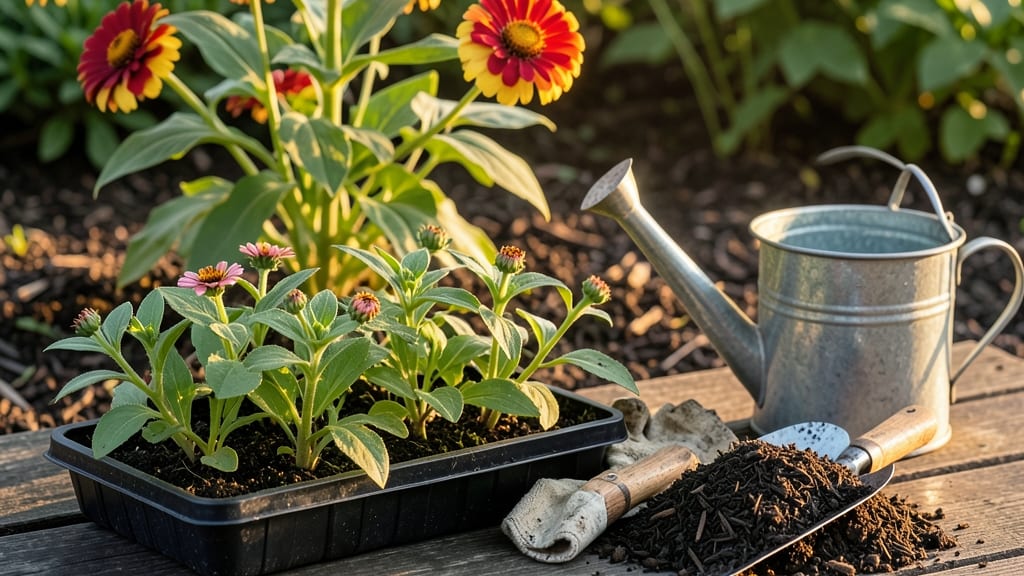
Plant zinnias in Tennessee after your last frost date, typically between mid-April and May, when soil warms to 55°F—this ensures vibrant blooms all summer.
Tennessee’s diverse climate—from the cool Appalachian highlands to the hotter Gulf Coastal Plain—means zinnias thrive year-round if planted at the right time. Get your timing wrong, and you’ll miss vibrant blooms or face frost damage.
Whether you’re in USDA Zone 6a or 7b, the key is aligning your planting with local frost dates. In East Tennessee, wait until late April, while West Tennessee gardeners can start as early as early April.
Below, I break down the exact planting schedule by zone, soil prep tips, and how to extend blooms until October—plus container gardening hacks for urban areas.
Zinnia planting schedule by Tennessee USDA Zone (6, 7 & 8)
Tennessee’s USDA Zones 6, 7, and 8 create unique challenges for zinnias, from late spring frosts in the Appalachians to early fall heat in the Delta. The key to summer-long blooms is planting zinnias 4-6 weeks after your last frost date, but timing varies drastically across the state.
In Zone 6 (eastern highlands), you’ll need to wait until late April, while Zone 8 (western regions) can start as early as mid-March for heat-tolerant varieties.
Zinnias are heat-loving annuals that thrive in Tennessee’s summer, but they hate frost. Even a light freeze can kill young seedlings, so knowing your average last frost date is critical.
For example, Chattanooga’s Zone 7 typically sees its last frost around April 15, while Nashville’s Zone 6b often waits until May 1. Planting too early risks losing your entire crop to a surprise frost.
Here’s how to align your planting with Tennessee’s microclimates. The comparison table below breaks down exact weeks to plant for each zone, including adjustments for early vs. late varieties.
Pro tip: Use heat-tolerant varieties like ‘Benary’s Giant’ or ‘Profusion’ in Zone 8 to extend your blooming season into early fall.
| USDA Zone | Last Spring Frost | First Fall Frost | Best Planting Window | Fall Planting Option |
|---|---|---|---|---|
| Zone 6 (e.g., Knoxville, Bristol) | Mid-April | Mid-October | May 15–June 15 | August 1–15 (heat-tolerant varieties) |
| Zone 7 (e.g., Nashville, Chattanooga) | Early April | Late October | April 15–May 30 | July 15–August 15 |
| Zone 8 (e.g., Memphis, Jackson) | Mid-March | Early November | March 15–April 30 | June 15–July 30 (extend blooms until frost) |
For Zone 6 gardeners, focus on planting zinnias between May 15 and June 15 to avoid late frosts. If you’re in Zone 7, you can start as early as April 15 for early blooms, but always check your local frost date averages.
In Zone 8, you can even plant zinnias in late winter (March) for a jumpstart, but use row covers if nighttime temps dip below 50°F (10°C).
Don’t overlook fall planting—it’s a game-changer for extending your zinnia season. In Zone 7 and 8, you can sow seeds as late as August for blooms that last until the first frost.
Use dwarf varieties like ‘Thumbelina’ in containers for urban gardens, as they’re less vulnerable to wind and can be moved indoors if needed.
Soil temperature matters just as much as air temperature. Zinnias won’t germinate well in cold soil, so wait until the ground reaches 55°F (13°C). Use a soil thermometer to check—this is especially critical in Zone 6, where cool springs delay planting.
If your soil is still chilly, consider starting seeds indoors 4-6 weeks before your last frost and transplanting after the danger has passed.
Protect young seedlings with frost cloth if an unexpected cold snap hits. I’ve seen Zone 7 gardens lose entire rows of zinnias in late April when a 28°F (-2°C) freeze rolled in. A simple row cover can save your plants and give you a head start on blooms.
Pair this with succession planting—sow new seeds every 2-3 weeks—to ensure continuous color from summer through fall.
Heat tolerance varies by variety. ‘Benary’s Giant’ and ‘Profusion’ handle Tennessee’s summer heat better than ‘Crystal’ or ‘Persian Carpet’, which may struggle in Zone 8’s 90°F+ (32°C+) afternoons.
For containers, choose dwarf zinnias like ‘Lilliput’—they thrive in pots and can be moved to shadier spots if your patio gets scorching afternoon sun.
Remember: Deadheading (removing spent blooms) is your secret weapon for prolonged flowering. In Tennessee’s humid climate, this also reduces powdery mildew risk. Water at the base of plants in the morning to keep foliage dry, and mulch with straw or pine needles to retain moisture and regulate soil temperature.
How to extend zinnia blooms: fall planting tips for Tennessee gardens
Fall planting can give your Tennessee garden a second burst of zinnias, extending those cheerful blooms well into October. By choosing the right heat-tolerant varieties and using cold-hardy techniques, you can enjoy vibrant flowers until the first frost.
The key is timing, soil prep, and smart care—especially in USDA Zones 6-8.
Start by selecting late-blooming varieties like 'Benary’s Giant' or 'Persian Carpet', which thrive in Tennessee’s warm fall weather. These varieties handle 60-70°F soil temps better than early-season types. Pair them with mulching and succession planting to maximize your garden’s potential.
🌱 Numbered Fall Planting Highlights for Tennessee Zinnias
- 📅 Planting Window: Late August to early September (6-8 weeks before first frost).
- 🌡️ Soil Temp: Aim for 55-65°F—use a soil thermometer to check.
- 🌱 Heat-Tolerant Varieties: 'Profusion Series' or 'Crystal Series' for extended blooms.
- 💧 Watering: Deep water 2-3x/week—zinnias need moisture to establish roots.
- 🌿 Mulching: Apply 2-3 inches of straw mulch to insulate roots and retain moisture.
- ✂️ Deadheading: Remove spent blooms weekly to encourage new flowers.
- 🏺 Container Hack: Use 5-gallon pots with heat-retaining fabric for urban gardens.
Prep your soil by amending it with compost or aged manure to improve drainage—Tennessee’s clay-heavy soils can suffocate roots. Work in a balanced fertilizer (5-10-10) at planting to give zinnias a nutrient boost for fall growth. Avoid over-fertilizing, though, as it can lead to leggy stems.
For container gardening, choose lightweight potting mix with perlite to prevent compaction. Place containers in south-facing spots to maximize sunlight exposure. If you’re in East Tennessee’s higher elevations, opt for dwarf varieties like 'Thumbelina' to protect them from earlier frosts.
Mulch heavily with straw or shredded leaves to insulate roots and slow soil temperature drops. This simple step can extend blooming by 2-3 weeks in Zone 6 gardens. Pair mulching with succession planting every 2 weeks in September to keep fresh zinnias blooming until frost.
Watch for powdery mildew in Tennessee’s humid fall air—space plants 12-18 inches apart for airflow. If mildew appears, spray with neem oil or a baking soda solution (1 tsp baking soda + 1 quart water + drop of dish soap).
Deadhead regularly to prevent fungal spores from settling on spent blooms.
With these techniques, your zinnias can bloom until mid-October in Zone 7 or even late November in Zone 8. The secret? Right varieties, proper soil prep, and consistent care. Happy gardening—your fall garden will thank you! 🌼