
Planting
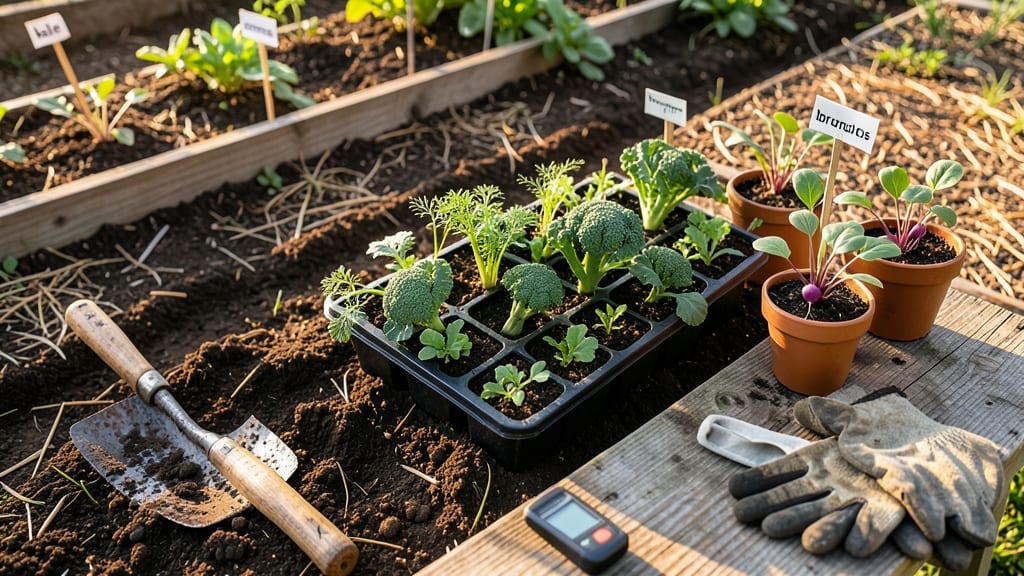
Planting a fall garden in Florida means beating the heat while making the most of your 300 frost-free days—but timing is everything.
If you’ve ever watched your seedlings wilt under August sun or seen frost sneak in by December, you know how tricky Florida’s fall window can be. The right crops and planting dates mean the difference between a bumper harvest and a sad, shriveled mess.
Here’s the exact schedule for Florida’s zones, from North to South, plus the heat-resistant crops that thrive when summer finally backs off.
You’ll learn which months work best for your region, how to avoid common mistakes, and why some crops—like okra and sweet potatoes—are your secret weapons for a productive fall garden.
Best months to plant fall vegetables in Florida’s climate zones
Florida’s fall gardening season offers a second chance for bountiful harvests, but the exact timing depends on your climate zone. Unlike northern states, Florida’s long growing season means no frost for most regions—but heat can still be a challenge.
The key is planting when soil temperatures drop below 85°F and daytime highs stay under 90°F.
North Florida (Zones 8a-9a) faces earlier cooling trends and occasional light frost by December, while South Florida (Zones 10a-11) can grow nearly year-round. Central Florida (Zones 9b-10a) sits in the middle, offering a 6-8 week window for perfect fall planting.
Let’s break it down by zone for heat-resistant crops that thrive in Florida’s late summer/early fall.
| Zone | Best Planting Window | Key Crops | Soil Temp Threshold |
|---|---|---|---|
| North FL (8a-9a) | Late August to mid-September | Okra, Sweet Potatoes, Malabar Spinach, Collards, Peppers | Below 85°F |
| Central FL (9b-10a) | Early August to October | Tomatoes, Eggplant, Kale, Carrots, Green Beans | Below 88°F |
| South FL (10b-11) | July to September | Peppers, Cucumbers, Basil, Lettuce (heat-tolerant varieties), Okra | Below 90°F |
In North Florida, aim to plant by mid-September to avoid early December frosts, which can damage tender greens like lettuce or spinach. Start with heat-tolerant varieties like Malabar spinach or collard greens, which handle the transition from summer heat better than traditional lettuce.
Central Florida gardeners have the most flexibility, with a 2-month window from early August to October. This zone can accommodate both warm-season crops (like tomatoes and peppers) and cool-season crops (like kale and carrots) by staggering plantings.
For example, sow tomato seeds in August for a fall harvest, then transplant broccoli in September for a winter crop.
South Florida’s tropical climate allows for year-round planting, but late summer (July-September) is ideal for fall vegetables because it avoids the peak humidity of June and the cooler temps of November.
Focus on quick-maturing crops like bush beans or zucchini, which can be harvested before hurricane season peaks in October.
Regardless of zone, always check the 7-day forecast before planting. A heatwave above 95°F can stress young seedlings, while unexpected rain may lead to fungal issues. Use shade cloth for newly transplanted seedlings if temperatures spike, and always water deeply in the morning to prevent stress.
Another pro tip: Direct-sow heat-sensitive crops like carrots or radishes in September instead of transplanting. This avoids the shock of moving young plants and ensures faster establishment. For transplants, harden off seedlings for 5-7 days before moving them outdoors to toughen their leaves against Florida’s humid conditions.
Don’t forget to amend your soil before planting. Florida’s sandy soils drain too quickly, so mix in 2-3 inches of compost or well-rotted manure to retain moisture and nutrients. A balanced fertilizer (5-10-10) applied at planting time will give your fall crops the boost they need to thrive.
Finally, keep an eye on pests like squash bugs and aphids, which thrive in Florida’s warm fall weather. Use row covers for young plants or apply neem oil as a preventative measure. With the right timing and care, your fall garden can outperform spring plantings—no frost required!
Top 7 heat-resistant fall crops for Florida gardens (and when to start them)
Florida’s fall season offers a second chance for gardeners to grow bountiful harvests, but only if you choose the right crops. Unlike cool-season vegetables that wilt in summer heat, these heat-resistant varieties thrive when temperatures hover between 75°F and 90°F.
The key is planting them at the perfect moment—too early and they’ll struggle, too late and you’ll miss the window before cooler weather sets in.
These seven crops are my go-to for Florida’s fall garden because they handle humidity, heat, and occasional tropical storms like pros. Each has a specific transplanting window that maximizes yield before winter chills arrive.
For example, okra and sweet potatoes can handle late summer heat, while malabar spinach and collards prefer a slightly cooler transition into fall.
🌱 Your Fall Planting Timeline
- Late July - Early August: Start okra and sweet potatoes from seeds or transplants. These handle Florida’s peak heat.
- Mid-August: Transplant Malabar spinach and yam beans for a fast-growing, heat-loving harvest.
- Early September: Plant collard greens and mustard greens as temperatures begin to drop.
- Mid-September: Sow turnips and radishes for quick fall harvests before cooler weather slows growth.
- Late September - Early October: Avoid planting new crops in North Florida if frost is possible.
Let’s break down each crop’s ideal transplanting dates and care tips. Okra, for instance, should be planted by mid-August in South Florida or early September in North Florida to avoid heat stress.
Sweet potatoes, on the other hand, can handle late summer planting but need warm soil—aim for late July to early August for best results.
Malabar spinach is a game-changer for Florida gardens because it thrives in 90°F+ temperatures and continues producing until frost. Start seeds or transplants in late July to early August, and you’ll enjoy fresh leaves well into October.
For collard greens, wait until early September to transplant, as they prefer cooler fall weather but can tolerate light frost in North Florida.
Turnips and radishes are perfect for a quick fall harvest. Sow seeds directly in the soil by mid-September for a harvest in 4-6 weeks. These crops handle Florida’s mild winters and can even survive light frosts, making them ideal for North Florida gardeners.
Yam beans, another heat-lover, should be planted by early August to ensure vines mature before cooler weather slows growth.
Pro tip: Always check your local frost dates, especially if you’re in North Florida. While most of the state avoids frost, a late-season cold snap can still damage tender crops like Malabar spinach or okra. Use row covers or choose varieties labeled as frost-tolerant for added protection.
With these heat-resistant crops and precise planting dates, your Florida fall garden will be productive, resilient, and ready to handle whatever Mother Nature throws your way. Happy planting! 🌿