
Plants
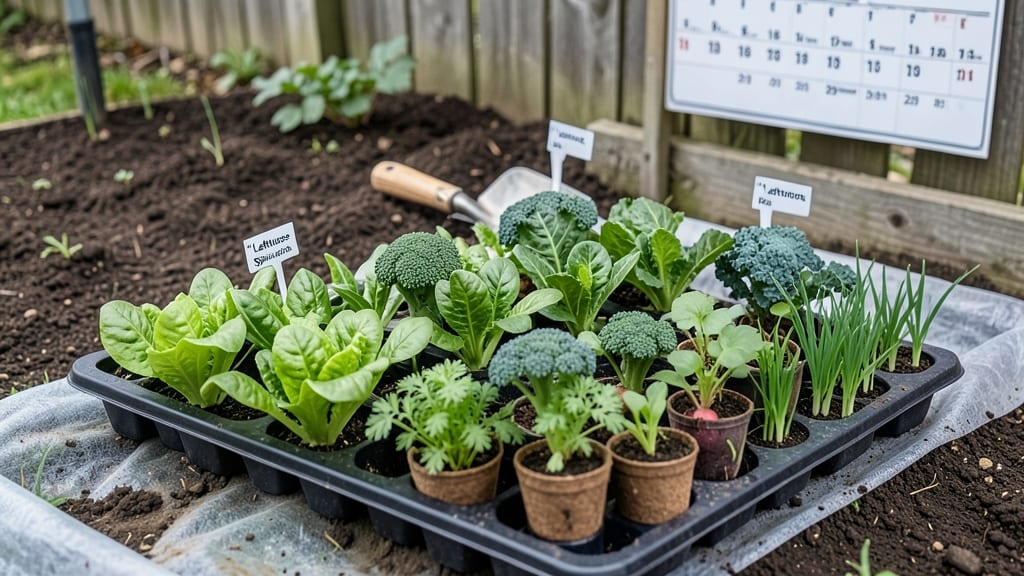
To plant veggies in Michigan, time your sowing with the last frost—typically mid-April in Zone 5 and late March in Zone 6—when soil temperatures hit 45°F for cool crops and 60°F for warm-season favorites.
Michigan’s unpredictable frost dates can make or break your vegetable garden—planting at the wrong time means wasted seeds and missed harvests. One year, my tomatoes sat in cold soil for weeks, stunted and yellowing, while my neighbor’s thrived because she waited until May 1.
This guide breaks down Michigan’s planting zones with exact frost dates, ideal windows for everything from peas to peppers, and cold-hardy crops that survive early starts. Whether you’re in Detroit or Traverse City, you’ll find the zone-specific calendar you need to maximize yields.
You’ll also discover how to extend the season with row covers, avoid common mistakes (like planting tomatoes too soon), and adjust for urban microclimates. Ready to turn your garden into a high-yielding harvest? Let’s get started.
Michigan’s planting zones 5-6: frost dates and best planting windows by month
Michigan’s USDA Zones 5-6 create unique challenges for gardeners, with last frost dates ranging from late April in the south to early June in the north. Understanding these planting windows ensures your cool-season veggies thrive before summer heat arrives—and your warm-season crops get a strong start.
I’ve grown vegetables in both zones for over a decade, and these timelines have helped me avoid frost damage and maximize harvests.
Northern Michigan (Zone 5) typically sees its last spring frost between May 1–15, while southern Michigan (Zone 6) warms up 2–3 weeks earlier. Meanwhile, first fall frosts arrive as early as September 15 in the north and October 1 in the south.
These differences mean your planting schedule should shift based on location—even just a few miles can change your ideal planting dates.
Here’s the key rule: Cool-season crops like lettuce and peas should go in as soon as the soil is workable (usually 4–6 weeks before last frost), while warm-season crops like tomatoes and peppers need to wait until the soil reaches 60°F.
I’ve included a zone-specific planting chart below to simplify decisions—bookmark this for your next gardening season!
For Zone 5 gardeners, I recommend starting cool-season crops like kale and radishes in early March under row covers. These hardy plants can handle light frosts and give you an early harvest.
In my Zone 5b garden, I’ve had success with peas and spinach planted by March 20—just be prepared to protect them if late frosts hit.
Warm-season crops are trickier in Michigan. Tomatoes and peppers won’t tolerate cold soil, so always check with a soil thermometer. In Zone 6, you can plant these as early as April 15, but in Zone 5, wait until May 1.
I’ve lost entire seedlings by planting too early—don’t make that mistake!
Extend your growing season with season extenders like cold frames or low tunnels. These let you plant cool-season crops like broccoli and carrots as late as August for fall harvests. In my garden, a simple hoop house adds 4–6 weeks to the season, giving me fresh veggies well into October.
Remember: Michigan’s weather is unpredictable. Always monitor your local frost forecast and adjust planting dates accordingly. A late frost in May can wipe out young seedlings, while an early warm spell might fool you into planting too soon.
When in doubt, err on the side of caution—your plants will thank you with bigger yields!
Pro tip: Keep a gardening journal to track your local frost dates and adjust future planting schedules. After 3 years of notes, I can predict my frost dates within a week—saving me from costly mistakes. Happy planting!
Cold-hardy vegetables for early Michigan planting: what to sow before April
Michigan’s early spring can be tricky—frost lingers while eager gardeners itch to plant. The key to success? Starting with cold-hardy vegetables that thrive in chilly soil and temperatures. These resilient crops not only survive but often produce better when planted early, giving you a head start on the growing season.
By focusing on frost-resistant varieties, you can extend harvests well into fall, even when summer heat arrives.
For Michigan gardeners, the window between last frost dates (typically late April to early May, depending on your zone) and summer’s arrival is precious. The right early-season vegetables planted before April will reward you with abundant harvests while protecting your investment from late frosts.
Let’s dive into the top 7 cold-hardy vegetables you can confidently sow before April, along with soil prep tips and strategies to stretch your harvest.
Cut seed potatoes in March; plant 4–6 inches deep in loose soil. Harvest ‘new potatoes’ 3–4 weeks after sprouts appear.
Choose early varieties like ‘Green Arrow’ for 60-day harvests. Trellis for vertical space to maximize garden real estate.
Bolt-resistant varieties like ‘Bloomsdale Long Standing’ thrive in cool weather. Mulch to retain moisture and prevent bolting in heat.
Choose cold-hardy varieties like ‘Winterbor’ for sweet harvests after frost. Harvest outer leaves to prolong production.
Ready in 25–30 days! Thin seedlings to 2 inches apart for larger roots. ‘Cherry Belle’ is a reliable early variety.
Plant 1 inch deep in well-drained soil. Harvest when tops yellow and fall over (90–120 days).
Use row covers to protect from late frosts. Harvest leaves as needed or let heads mature (50–60 days).
Preparing your soil before planting these cold-hardy vegetables is just as critical as timing. Start by amending the soil with compost or well-rotted manure to improve drainage and fertility. Michigan’s clay-heavy soils benefit from organic matter additions, especially for root crops like potatoes and radishes.
Test your soil’s pH—most of these vegetables prefer a slightly acidic to neutral range (6.0–7.0)—and adjust with lime or sulfur if needed.
To extend harvests into fall, use season