
Plants
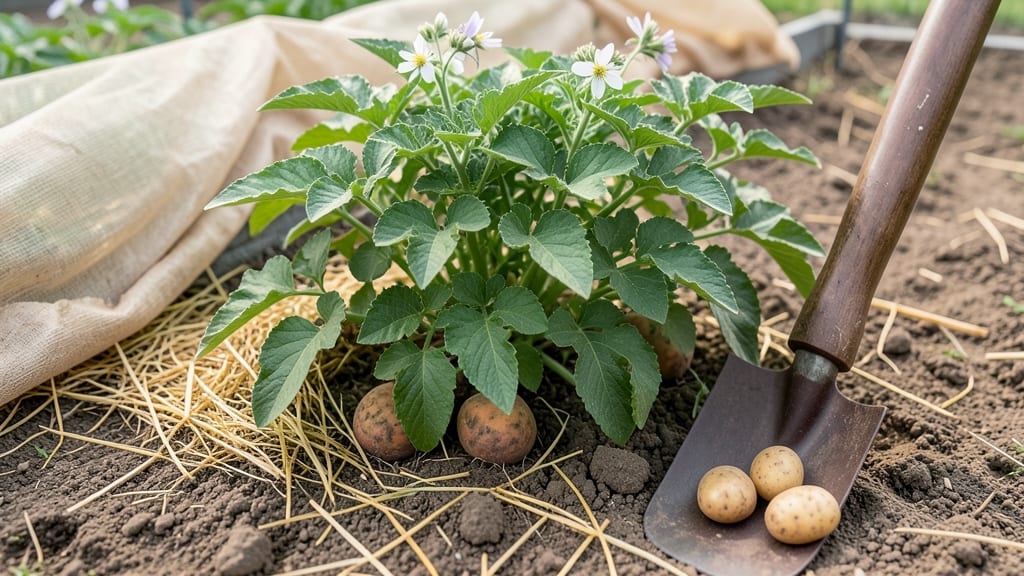
You can plant potatoes in Michigan when the soil reaches 45°F and stays frost-free, typically 2-4 weeks after your last spring frost—but timing varies wildly between the Upper and Lower Peninsulas.
Michigan’s unpredictable spring weather can turn a potato planting season from thriving to tragic—unless you know the exact frost-free window for your specific zone. Get it wrong, and your spuds may rot; get it right, and you’re on track for a bumper harvest.
For most of the state, that means aiming for mid-April to early May in the Lower Peninsula, while gardeners in the Upper Peninsula’s colder zones (like Zone 4) may need to wait until late May. The key isn’t just the calendar—it’s soil temperature and local frost patterns.
Below, I’ll break down the zone-by-zone planting schedule, how to test soil readiness, and 5 pro tips to protect your crop from Michigan’s late frosts and short growing season.
Michigan’s potato planting timeline by hardiness zone (4-6)
Michigan’s potato planting success hinges on frost-free dates and soil warmth. The Upper Peninsula (zones 4a/4b) faces later springs, while the Lower Peninsula (zones 5a-6a) enjoys earlier planting.
Wait too long, and your harvest window shrinks—wait too early, and blackleg disease strikes. Let’s break it down by zone so you can plant with confidence.
Potatoes thrive when soil reaches 45°F+ and stays frost-free for 90-120 days. In Michigan, this means late April to mid-May for most zones, but timing shifts 1-2 weeks depending on your location.
Use a soil thermometer to verify—cold, wet soil is a recipe for rot. I’ve planted Yukon Golds in zone 5b too early, and they barely yielded.
| Zone | Avg. Last Frost | Ideal Planting Window | Soil Temp. Requirement | Best Varieties |
|---|---|---|---|---|
| 4a (Upper Peninsula) | May 10–20 | Mid-May (after soil hits 45°F) | 45–50°F minimum | Kennebec, Red LaSoda |
| 4b (Northern Lower Peninsula) | May 1–10 | Late April–early May | 45–50°F minimum | Yukon Gold, Fingerlings |
| 5a (Southern Lower Peninsula) | April 25–May 5 | Early to mid-April | 45°F+ required | Russet, Purple Viking |
| 5b (Southwest Michigan) | April 20–30 | Late March–early April | 45°F+ required | Sweet Potato, Red Bliss |
| 6a (Thumb Region) | April 15–25 | Late March–early April | 45°F+ required | Adirondack Red, Katahdin |
Zone 4a gardeners (like in Marquette) should wait until mid-May—planting earlier risks frost damage to tender shoots. Meanwhile, zone 6a (near Port Huron) can start as early as late March if soil warms quickly.
I’ve seen Yukon Golds planted in zone 5b by April 1st thrive when followed by row covers for early protection.
For blackleg disease prevention, avoid planting in cold, wet soil. Test your soil’s drainage first: Dig a hole, fill it with water, and time how long it takes to drain.
If it’s slower than 4 hours, amend with compost or sand. I once lost a 50-pound harvest to blackleg because I ignored this step—don’t make my mistake!
Pro tip: Use straw mulch after planting to retain soil warmth. This is especially critical in zone 4b, where late frosts can linger into May.
I’ve also had success with black plastic mulch, which warms soil 5–10°F faster than bare earth. Just remove it before flowering to avoid overheating.
If you’re unsure of your USDA zone, check the Michigan State University Extension map or use the Zip Code Zone Finder. For example, <
5 Critical signs your Michigan soil is ready for potatoes (before you plant)
Planting potatoes in Michigan too early can lead to blackleg disease or stunted growth, while waiting too long shortens your harvest window. The key is checking your soil for these 5 readiness signs—not just relying on the calendar.
Cold, wet soil slows germination and invites rot. Even if your last frost passed, your potatoes need consistent warmth (45°F+) and well-draining conditions to thrive. Let’s walk through how to test your soil before you plant.
- Soil temperature reaches 45°F+ – Use a soil thermometer to confirm. Cold soil delays sprouting and invites disease.
- Drainage test passes in 24 hours – Dig a 6-inch hole, fill with water, and check if it drains within a day. Poor drainage = rotten tubers.
- Earthworms are active – Healthy soil teems with worms. Dig a small patch—if you find 3+ worms, your soil is ready.
- Moisture level is crumbly – Squeeze a handful. It should hold shape but not be sticky. Too wet? Wait a week.
- No frost risk for 2+ weeks – Check your local frost-free date (e.g., May 15 in Zone 5). Planting too early risks frost damage.
Many gardeners in Michigan’s Upper Peninsula (Zone 4) make the mistake of planting too early because they’re eager to beat the short season. But cold soil can delay germination by 3+ weeks, leaving you scrambling to harvest before frost.
If your soil fails any of these tests, don’t rush—wait another week. Amend with compost or sand if drainage is poor, and use a soil warmer if temperatures lag. Patience now means a bigger harvest later.
Pro tip: Plant early varieties like ‘Red Pontiac’ if you’re in Zone 4, as they tolerate cooler soil better than later varieties. For Zones 5-6, ‘Yukon Gold’ thrives in warmer, well-prepared soil.