
Plants
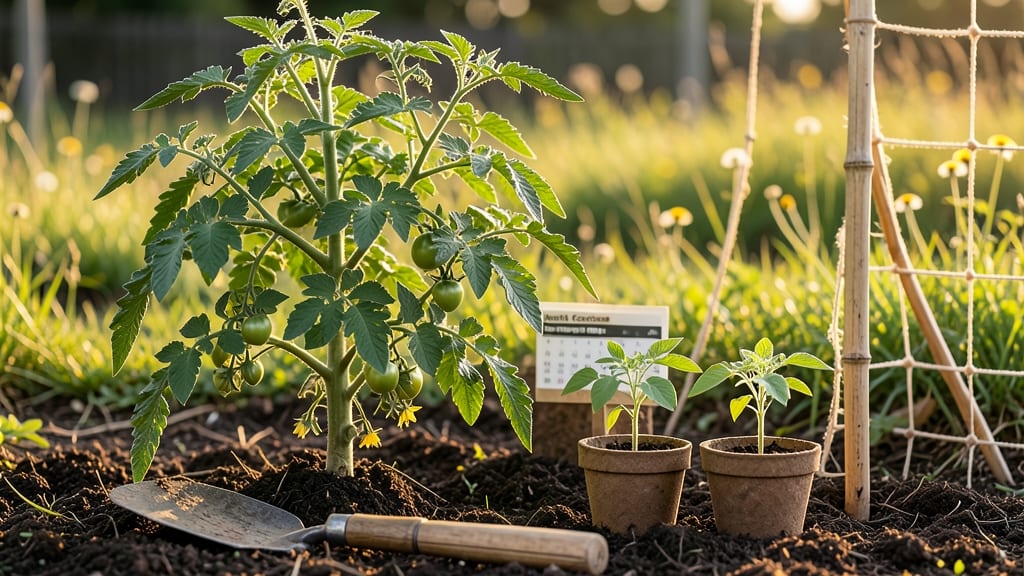
Planting tomatoes in North Carolina at the right time means the difference between a garden full of juicy red 🍅 and a sad, frost-nipped failure.
Timing your tomato planting in North Carolina can mean the difference between a bumper crop and a disappointing harvest—get it wrong, and frost or heat stress can ruin your plants before they even produce.
Here’s the deal: North Carolina’s varied climate—from the cool mountain air of the 6b zone to the balmy coastal stretches of 8a—means your planting window isn’t one-size-fits-all.
Below, I break down the exact months to plant by zone, how to adjust for early vs. late varieties, and the one trick that adds 30 days to your harvest season without risking frost.
North Carolina USDA zones and exact tomato planting months by frost risk
North Carolina’s diverse climate—from the cool mountain regions to the humid coastal plains—means tomato planting windows vary dramatically. The state spans USDA Zones 5b through 8a, and getting your timing right can mean the difference between a thriving harvest and frost-nipped seedlings.
I’ll break down the exact months to plant tomatoes in each zone, including soil temperature thresholds and frost risk factors so you can avoid common mistakes.
For all NC zones, tomatoes thrive when soil temperatures hit at least 60°F (15°C) and nighttime temps stay above 50°F (10°C).
In cooler zones like 5b-6a, you’ll need to start seeds indoors 6-8 weeks before the last frost, while Zone 8a gardeners can often plant seeds directly in late March or early April.
Let’s dive into the specifics for each zone to ensure your tomatoes get the best possible start.
⚠️ IMPORTANT: Always check your local microclimate—valleys, slopes, and urban heat islands can shift frost dates by 1-2 weeks. Use a frost date calculator or consult your county extension office for precision.
In Zone 5b (like the Blue Ridge Mountains), you’ll need to start seeds indoors by March 1
How to adjust planting dates for early vs. late varieties in North Carolina’s climate
North Carolina’s humid subtropical climate creates unique challenges for tomato gardeners. The key to success lies in matching variety types with your planting window—whether you’re aiming for an early harvest or extending the season into fall. Early varieties thrive in cooler temperatures, while late-season heat-tolerant types handle summer’s intensity better.
This balance ensures your plants avoid both spring frosts and summer heat stress.
For early varieties like 'Stupice' or 'Mountain Spring,' I start seeds indoors by March 15 and transplant outdoors after the last frost (typically April 15 in most zones). These cool-season tomatoes produce quickly—often within 50-60 days—so timing them right means you’ll harvest before summer’s peak heat arrives.
In Zone 6b, I even use row covers to push harvests earlier by 2-3 weeks.
| Variety Type | Best Planting Window | Days to Maturity | Heat Tolerance | Season Extension Tip |
|---|---|---|---|---|
| Early Varieties | March 15 - April 15 (seeds indoors) / April 15 - May 1 (transplants) | 50-60 days | Low-Medium | Use row covers or cold frames |
| Mid-Season Varieties | April 1 - May 15 (seeds) / April 15 - June 1 (transplants) | 60-75 days | Medium | Plant in black plastic mulch for warmth |
| Late/Heat-Tolerant Varieties | May 1 - June 1 (seeds or transplants) | 75-90 days | High | Provide afternoon shade cloth (30-50%) |
| Succession Planting | Every 2-3 weeks from April 15 - June 1 | Varies (50-90 days) | Mix of tolerances | Stagger transplants for continuous harvest |
For late-season varieties like 'Celebrity' or 'Heatmaster,' I delay planting until May 1 to avoid early heat stress. These heat-tolerant tomatoes handle NC’s summer better but need 75-90 days to mature.
In Zone 8a, I often plant these in late May or early June to extend harvests into October or November. The trick is to use shade cloth during peak afternoon heat (typically 2 PM - 5 PM) to protect flowers from wilting.
One of my favorite strategies is succession planting. By spacing out transplants every 2-3 weeks from April 15 to June 1, I ensure a steady supply of tomatoes from June through October.
For example, I’ll plant early varieties in April, mid-season in May, and heat-tolerant types in June. This approach maximizes my garden’s potential and reduces waste from overproduction.
Don’t overlook soil temperature when adjusting planting dates. Tomatoes need soil at least 60°F to thrive. In cooler Zone 6b, I use black plastic mulch to warm the soil faster, while in Zone 8a, I might delay planting until soil temps stabilize above 70°F to prevent blossom-end rot.
Always check soil temps with a soil thermometer—it’s a game-changer!
Finally, consider container gardening for late-season extensions. Potted tomatoes in 5-gallon containers warm up faster and can be moved to protected microclimates like near south-facing walls.
I’ve had success keeping heat-tolerant varieties producing until November 1 in Zone 7a by using row covers at night and moving pots to shade during heatwaves. The flexibility of containers lets you adapt to NC’s unpredictable weather patterns.
With these strategies, you can turn North Carolina’s variable climate into an advantage. Whether you’re chasing early harvests or extending the season, the right variety timing and seasonal adjustments will give you tomatoes from June to October—or even later! 🌱🍅