
Plants
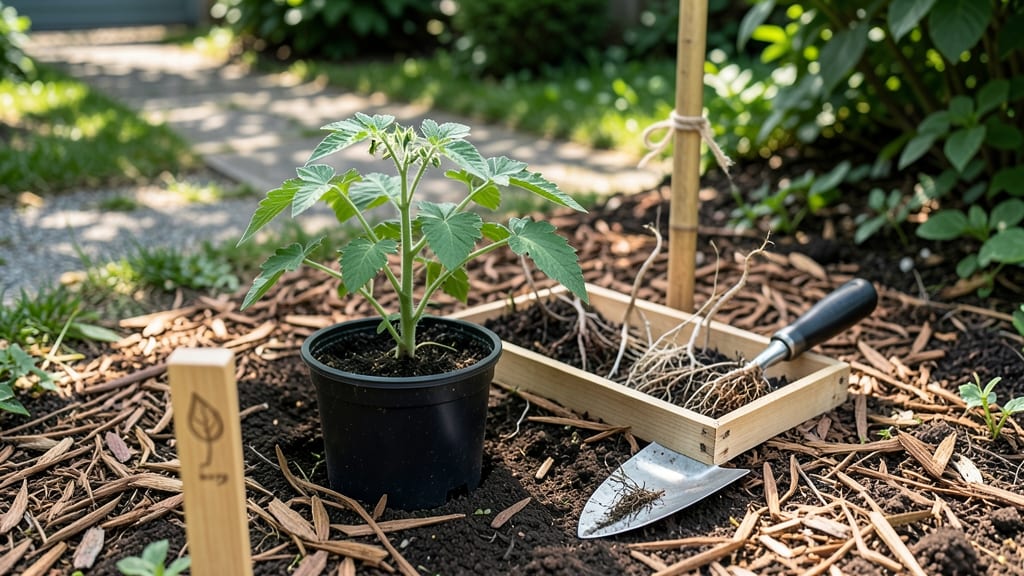
Planting tomatoes in Zone 5 at the right time means the difference between a bountiful harvest and a sad, frost-nipped disappointment.
Zone 5 gardeners know timing is everything—plant too early, and frost will wipe them out; too late, and your harvest shrinks. But with precise week-by-week deadlines, you can maximize yield and outsmart Mother Nature’s unpredictable swings.
Your best window opens around April 15 (after the last frost) for transplants, but soil temperature and variety matter just as much. Cherry tomatoes love a late start, while beefsteaks need to be in the ground by May 15.
Below, I break down the exact weeks to plant, how to adjust for late frosts, and the simple tricks that keep your 🍅 vines thriving all summer long.
Zone 5 tomato planting deadlines: exact weeks for transplants vs. seeds
Getting your tomatoes in the ground at the right time in Zone 5 means the difference between a bumper crop and a sad, frost-nipped failure.
The last frost date typically falls between April 15 and May 15 in this zone, but your exact window depends on your local microclimate and soil conditions.
For most Zone 5 gardeners, this means transplanting seedlings between May 1 and June 1, while direct sowing seeds should happen closer to May 15–June 1.
Timing isn’t just about avoiding frost—it’s also about soil temperature. Tomatoes need soil at least 55°F to thrive, and cooler soil slows growth and invites disease. If you’re starting seeds indoors, you’ll need to begin them 6–8 weeks before your last frost to have sturdy seedlings ready for transplanting.
That means indoor seed-starting between March 15 and April 1 for most Zone 5 gardeners.
Here’s the key: Transplanting too early risks frost damage, while planting too late cuts your harvest short. The sweet spot is 2–3 weeks after your last frost, when soil is warm and nighttime temperatures stay above 50°F.
Use this comparison table to pinpoint your exact deadlines based on whether you’re transplanting seedlings or sowing seeds directly.
If you’re transplanting 6–8 week old seedlings, aim for early May to give your plants time to establish roots before summer heat sets in. For direct sowing seeds, wait until mid-May when soil is consistently warm.
Pro tip: Use a soil thermometer to confirm temperatures—cool soil delays germination and stunts growth.
Zone 5 gardeners in northern areas (5a) should err on the later side of these deadlines, while those in southern zones (5b) can plant a bit earlier. For example, if your last frost is May 1, transplant seedlings by May 15 and direct-sow seeds by May 30.
Always check your local USDA frost map for precise dates.
Another critical factor is nighttime temperatures. Tomatoes struggle when nights dip below 50°F, so if late frosts linger, use row covers or wait until temperatures stabilize.
For early varieties, you can push the envelope slightly—planting by late April if your soil warms quickly—but be ready to protect seedlings with frost cloth if needed.
For succession planting, stagger your tomatoes every 2 weeks after your first planting. This extends your harvest window and ensures a steady supply of fresh tomatoes.
For example, if you transplant your first batch on May 15, follow up with another batch on May 30 and a final one on June 15. This works especially well for cherry tomatoes, which ripen quickly.
Don’t forget to harden off seedlings for 7–10 days before transplanting. This means gradually exposing them to outdoor conditions—start with 2–3 hours of sunlight and increase daily.
Hardening off builds resilience and reduces transplant shock, giving your tomatoes a stronger start. Skip this step, and you risk stunted growth or even plant death.
Finally, monitor your plants for early blight or blossom end rot, which thrive in cool, wet conditions. If your soil stays too cold or wet after planting, consider adding a mulch layer to warm the soil faster and retain moisture. With these deadlines and
Tomato variety planting schedule: early vs. mid vs. late season types
Not all tomatoes thrive on the same schedule in Zone 5. Cherry tomatoes like 'Sweet 100' can handle a June 15 start, while beefsteak varieties like 'Brandywine' need to be in the ground by May 1–15 to avoid frost damage.
The key? Matching your variety to its ideal maturity window and frost-free days.
Early season tomatoes (50–60 days to harvest) like 'Stupice' should go in by May 1. Mid-season varieties (60–75 days) such as 'Celebrity' fit a May 15–June 1 window, while late-season types (75–90 days) like 'Big Beef' can wait until June 15 without sacrificing yield.
| Variety Type | Planting Window | Days to Harvest | Best for Zone 5 |
|---|---|---|---|
| Early Season | May 1–15 | 50–60 | 'Stupice', 'Early Girl' |
| Mid Season | May 15–June 1 | 60–75 | 'Celebrity', 'Better Boy' |
| Late Season | June 15–30 | 75–90 | 'Big Beef', 'Cherokee Purple' |
| Cherry Tomatoes | June 1–15 | 60–70 | 'Sweet 100', 'Sun Gold' |
To extend your harvest, stagger plantings every 2 weeks. Start with early varieties in May, then add mid-season types by May 30, and finish with late-season or cherry tomatoes around June 15. This ensures continuous fruit production until frost.
Pro tip: Use row covers for late plantings to protect from late frosts (common in Zone 5). Remove covers once flowers appear to prevent heat stress. Succession planting is your secret weapon for a longer harvest.
For container growers, prioritize compact varieties like 'Tiny Tim' (plant by May 15) or 'Balcony Red' (plant by June 1). Smaller pots dry out faster, so monitor soil moisture closely during hot spells.
Remember: Soil temperature matters just as much as air temperature. Wait until soil reaches 60°F+ before planting—cold soil stunts root growth. Use a soil thermometer to track progress.