
Plants
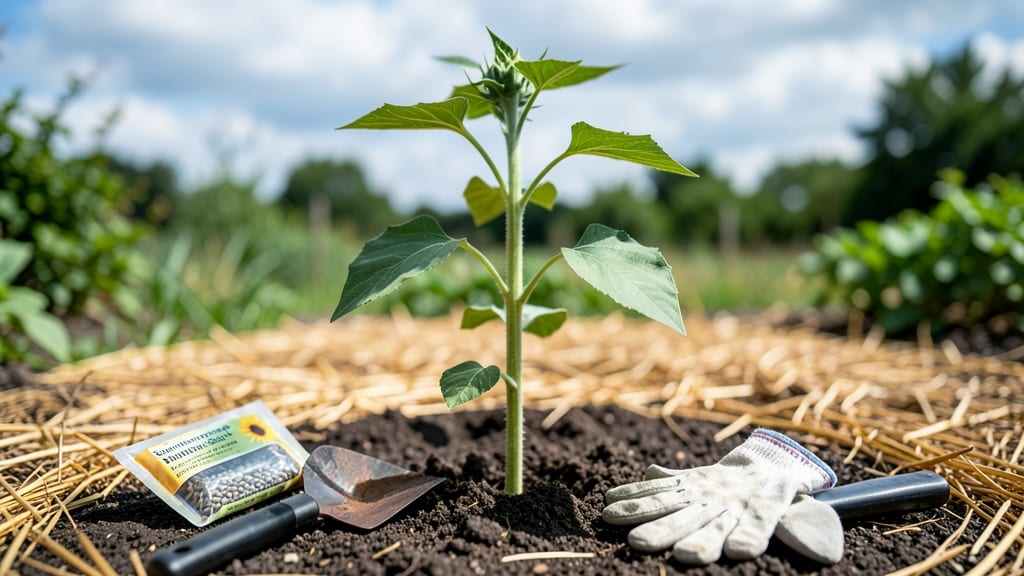
To plant sunflower seeds in California, aim for late March to early May in most regions — but coastal and inland areas have very different sweet spots for those towering 🌻 blooms.
Sunflowers thrive in California’s diverse climates—but planting them at the wrong time can mean wilted dreams instead of towering blooms. Get the perfect timing for coastal chill and inland heat to grow sunflowers that turn heads (and pollinators) all season.
Coastal gardeners in USDA Zones 7–9 should wait until mid-April when soil warms to 60°F, while inland growers in Zones 10–11 can start as early as late February. The difference? Coastal fog delays germination, while inland heat speeds it up.
Below, I’ll break down the exact frost-free dates by region, the best sunflower varieties for California’s microclimates, and how to stretch your blooming season from summer through fall—no matter where you garden.
Best sunflower planting times in California: coastal vs inland climate guide
California’s diverse microclimates create a challenge for sunflower lovers. Coastal areas like San Francisco and Santa Barbara have mild winters and cool summers, while inland zones like the Central Valley and Desert regions experience scorching heat and longer growing seasons.
These differences mean your sunflower planting window could vary by 4–6 weeks depending on where you live.
Sunflowers (Helianthus annuus) need warm soil (at least 60°F) to germinate properly. In coastal areas, this typically happens in late April to early May, while inland gardeners can start as early as mid-March.
High-altitude areas like Mount Shasta or Lake Tahoe may need to wait until late May or June to avoid late frosts.
Understanding your USDA hardiness zone and frost-free dates is key. Most of California falls within zones 7–11, but even within these zones, microclimates create significant differences.
For example, Los Angeles (Zone 10) has a longer growing season than Sacramento (Zone 9), which in turn differs from San Francisco (Zone 9 but with coastal cooling effects).
Here’s a quick comparison to help you determine the best planting window for your location:
| Region | USDA Zone | Best Planting Window | Soil Temp Requirement | Notes |
|---|---|---|---|---|
| Northern Coastal (e.g., San Francisco, Eureka) | 9–10 | Late April–Early May | 60°F+ | Cooler summers; extend season with late summer plantings. |
| Central Coast (e.g., Santa Barbara, Monterey) | 9–10 | Mid-April–Late May | 60°F+ | Warmer than Northern Coast; succession planting works well. |
| Central Valley (e.g., Sacramento, Fresno) | 7–9 | Mid-March–Early April | 55°F+ | Early start avoids summer heat stress; use shade cloth if needed. |
| Southern California (e.g., Los Angeles, San Diego) | 10–11 | February–March | 58°F+ | Long growing season; fall plantings possible for winter blooms. |
| Desert (e.g., Palm Springs, Death Valley) | 9–11 | Late February–Early March | 65°F+ | Plant early to avoid extreme heat; use mulch to retain moisture. |
| High Altitude (e.g., Lake Tahoe, Mount Shasta) | 5–7 | Late May–June | 60°F+ | Short season; choose fast-maturing varieties (60–75 days). |
If you’re unsure about your local frost dates, check the USDA Plant Hardiness Zone Map or use local agricultural extension services for tailored advice. For example, the University of California Agriculture & Natural Resources (UC ANR) provides free frost-free date guides for every county in California.
For inland areas, aim to plant sunflower seeds 4–6 weeks before your last frost date. This gives seedlings time to establish roots before the heat of summer arrives.
In coastal regions, where summers are cooler, you can extend planting into late May or early June for a second flush of blooms in fall.
Pro tip: Use a soil thermometer to confirm your soil is warm enough. Sunflower seeds won’t germinate in cold soil, even if the air temperature feels warm. If your soil is still below 60°F, wait another week or two before planting.
High-altitude gardeners should focus on <
How to choose sunflower varieties for California’s growing seasons
California’s diverse microclimates mean your sunflower choices should match your local growing season length. Coastal areas like San Francisco have shorter, cooler seasons, while inland zones like the Central Valley enjoy longer, hotter summers.
Picking the right variety ensures bigger blooms and longer harvests—whether you want giant pollinator magnets or compact cut flowers.
For coastal gardens, prioritize early-maturing varieties (60–75 days) that avoid fall frost. Inland growers can opt for heat-tolerant giants (90+ days) that thrive in 100°F+ temperatures.
Below, I’ve matched the best sunflower types to California’s three key growing zones—plus tips for succession planting to extend your blooms all season.
If you’re in USDA Zone 7–9 (coastal), stick to early-blooming dwarf varieties like 'Teddy Bear' or 'Autumn Beauty'. These mature in 60–75 days, giving you blooms before fall frost hits.
Plant your first batch in mid-April and follow with succession plantings every 2 weeks to keep flowers appearing through September.
For Zones 10–11 (inland), heat-tolerant giants like 'Russian Giant' or 'Mammoth' shine. Their 90–120 day maturity lets them handle summer’s intense heat while still producing massive blooms. Start seeds indoors in February or direct-sow in late March for a June–October flowering window.
Pro tip: Oilseed varieties like 'NuSun' are drought-resistant and perfect for California’s water-conscious gardens. Their 80–90 day maturity makes them ideal for late summer plantings—just sow seeds in July for fall harvests before winter rains arrive.
For succession planting, stagger varieties with different maturity times. For example, plant dwarf sunflowers in April, semi-dwarfs in May, and giants in June. This ensures continuous blooms from summer through early fall—just what California’s pollinators crave! 🌻