
Plants
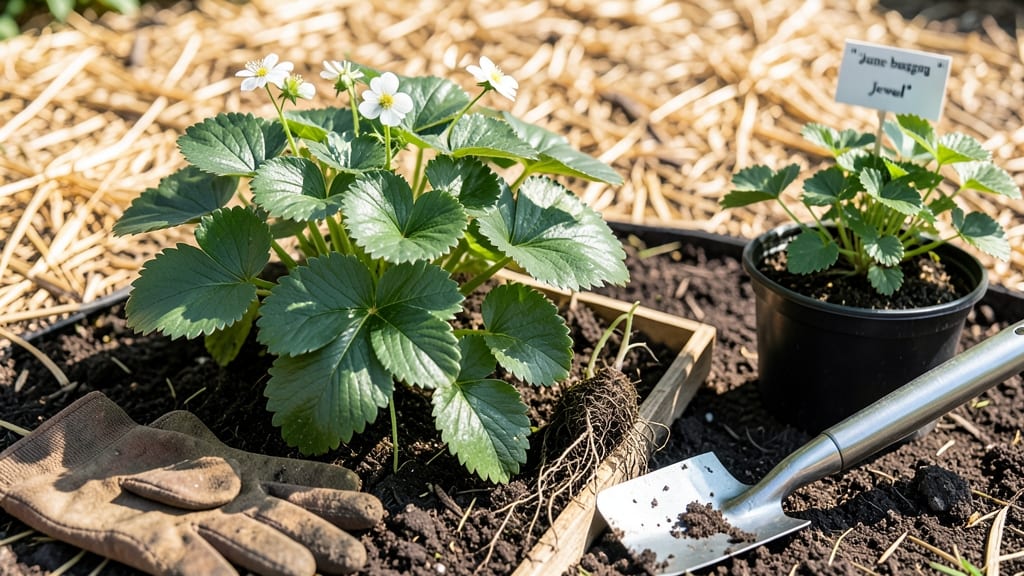
Planting strawberries in Washington State at the right time means the difference between a bountiful harvest and wasted effort — and the best months depend on whether you're in the rainy Pacific Northwest or the drier east.
Washington’s climate varies wildly: coastal areas like the Puget Sound get cool, wet springs, while the Yakima Valley bakes early. Plant too soon, and frost will nip your young 🍓 plants.
Too late, and summer heat arrives before fruit sets. Get it right, though, and you’ll enjoy berries from June through fall.
For most of the state, late March to early May is ideal for bare-root plants, while potted varieties can go in as early as February in warmer microclimates. Everbearing and day-neutral types have more flexibility, but June-bearing varieties demand precision.
Below, I break down the exact planting windows by region, soil prep tricks to avoid soggy roots, and how to protect your crop from late frosts — so you can start harvesting sooner and enjoy those sweet berries all season long.
Best planting months for strawberries in Washington’s microclimates
Washington State’s diverse microclimates create unique challenges—and opportunities—for strawberry growers. The Pacific Northwest’s rainy west (Zones 7–9) and the dry east’s desert-like conditions (Zones 3–6) demand different planting strategies.
In wet western regions, soggy winter soil can rot roots, while eastern WA’s hot summers require early planting to avoid heat stress. Timing isn’t one-size-fits-all, but these regional guidelines will help you maximize your harvest.
Most gardeners in Washington plant strawberries in spring or fall, but the best window depends on your USDA zone and local frost patterns. June-bearing varieties (like ‘Chandler’) thrive when planted in early spring (March–April in western WA, February–March in eastern WA), while everbearing and day-neutral types (like ‘Seascape’) can handle fall planting (August–September) for a second harvest.
Understanding these nuances ensures your plants establish strong roots before extreme weather hits.
Here’s how Washington’s microclimates break down for optimal planting:
| Region & Zone | Best Spring Planting Window | Best Fall Planting Window | Key Considerations |
|---|---|---|---|
| Western WA (Zones 7–9) | March–April (after last frost) | August–September (6+ weeks before frost) | Avoid waterlogged soil; use raised beds or containers if drainage is poor. |
| Eastern WA (Zones 3–6) | February–March (soil thaws) | July–August (before heat peaks) | Mulch heavily to retain moisture; protect from late frosts with row covers. |
| Puget Sound (Zone 8) | Late March–early April | Late August–early September | Watch for fungal diseases in wet winters; space plants for airflow. |
| Yakima Valley (Zone 6) | Early March (bare-root) or April (potted) | Mid-July (avoid summer heat) | Irrigate consistently; drip systems work best in dry climates. |
For June-bearing varieties, timing is critical—plant too early, and roots may rot in cold soil; too late, and plants won’t fruit before summer’s end.
In western WA’s Zone 8, aim for March 15–April 15 to align with soil warming. Eastern WA’s Zone 6 gardeners should plant February 1–March 15, using black plastic mulch to warm the soil faster.
Fall planting works best for everbearing types, which produce two harvests: one in spring and another in fall.
Bare-root strawberries are hardier and cheaper but must be planted immediately after purchase. In western WA, soak roots for 1–2 hours before planting in March–April. For eastern WA, plant bare-root varieties in February while soil is still workable.
Potted plants offer flexibility—plant them anytime soil isn’t frozen, but spring and fall still yield the best results. Always choose day-neutral varieties (like ‘Tristar’) for container growing, as they produce fruit continuously.
Washington’s frost patterns add another layer of complexity. In Zone 7’s Puget Sound, late frosts can linger until April 15, so delay planting until after this date. Meanwhile, Zone 6’s Yakima Valley may see frosts until May 1, but the risk drops significantly by March 15.
Use frost cloth if planting early in high-risk areas. For fall plantings, ensure at least 6–8 weeks before the first frost—typically October 15 in western WA and November 1 in eastern WA.
Soil temperature matters just as much as air temperature. Strawberries need soil at 45–55°F to root well. Use a soil thermometer to check—if it’s below 40°F, wait a week or two.
In western WA’s cooler microclimates, soil may stay cold longer, so opt for potted plants or raised beds to control temperature. Amend your soil with compost and sand (for eastern WA) to improve drainage, as strawberries hate soggy roots.
Don’t overlook container growing, especially in urban areas or high-rainfall zones. Containers warm up faster in spring and dry out quicker in summer. Plant in 5–7 gallon pots with drainage holes, using a mix of potting soil and perlite.
In western WA, you can plant container strawberries as late as May 1 and still get a harvest. Just ensure pots get 6+ hours of sun daily. For ground planting, choose a south-facing spot to maximize warmth and sunlight.
Pro tip: Mulch heavily after planting to retain moisture and regulate soil temperature. In eastern WA, use straw mulch (3–4 inches thick) to prevent soil from drying out.
In western WA, opt for cedar mulch to reduce fungal diseases. Avoid wood chips, which can rob nitrogen from the soil. Water deeply 1–2 times per week
How to adjust planting timing for Washington’s rainfall and frost patterns
Washington’s variable rainfall and late spring frosts can turn your strawberry planting into a gamble if you don’t adjust timing. The Puget Sound’s cool, wet springs often mean soggy soil, while the Yakima Valley’s early heat waves can stress young plants.
Understanding these patterns helps you extend your planting window safely.
In high-rainfall zones like western Washington, avoid planting in late fall or winter—saturated soil suffocates roots. Instead, opt for early spring planting (March-April) when soil drains better. Eastern Washington’s drier climate allows for slightly earlier plantings, but always wait until soil temperatures reach 45°F+ to prevent frost damage.
⚠️ WARNING: Late Frost Risks ⚠️
⚠️ Puget Sound’s average last frost date is April 15, but late frosts can linger until May 10. Planting too early risks frost damage to emerging foliage.
✅ Solution: Use frost cloth for 2-3 weeks post-planting. For high-risk areas, delay until May 1 or use row covers.
Source: WA State University Extension
Mulching is your best defense against both excess moisture and temperature swings.
Apply 3-4 inches of straw mulch immediately after planting to: - Insulate roots from late frosts - Reduce soil evaporation in dry spells - Suppress weeds competing for nutrients For organic matter, mix in compost before planting to improve drainage in clay-heavy soils common in western WA.
In eastern Washington, where summer heat arrives early, prioritize shade cloth (30-50%) during June-July to prevent fruit sunburn. Drip irrigation set to early morning ensures roots stay hydrated without fungal risks from evening watering.
For urban gardeners in microclimates (e.g., Seattle’s rain shadow zones), containers offer flexibility. Use well-draining pots with 10+ inches of depth and plant in April-May when nighttime temps stay above 35°F. Move pots to protected spots if frost warnings appear.
Timing adjustments mean the difference between thriving plants and wasted effort. By combining soil prep, protective covers, and regional awareness, you’ll extend your strawberry season—even in Washington’s trickiest zones. Start with soil tests and local frost data to fine-tune your schedule.