
Plants
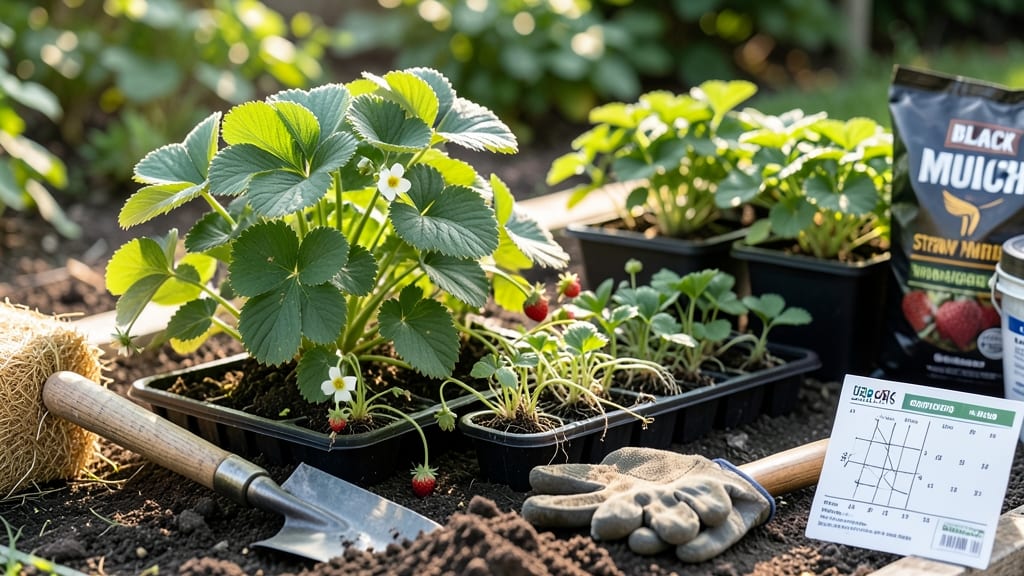
To plant strawberries in Ohio for a bountiful harvest, aim for early spring—between March and April—when soil temperatures rise above 40°F and frost threats ease.
Ohio’s unpredictable spring weather can turn your strawberry planting into a gamble—but timing it right ensures juicy harvests from June to August. Whether you’re growing June-bearing varieties like ‘Honeoye’ or everbearing types like ‘Albion,’ the right window makes all the difference.
In USDA Zone 6a, most gardeners plant in early spring to give roots time to establish before summer heat arrives. But late summer (July–August) is also a viable option for fall-bearing varieties, letting you extend your harvest into September.
Below, I’ll break down the exact months to plant by variety, soil prep tips to avoid common Ohio pitfalls (like black root rot), and how to protect your 🍓 beds from late frosts—so you can enjoy homegrown berries all season long.
Best planting months for Ohio strawberries by variety (June vs. fall-bearing types)
Ohio’s USDA zones 5b-6b create a delicate balance for strawberry planting—too early and frost zaps tender roots, too late and summer heat stresses young plants. The key is planting when soil temperatures hit 40°F (4°C) and stay above freezing, typically 4-6 weeks before your last frost date.
For most of Ohio, that means early April for spring plantings or late July for fall varieties.
Strawberries fall into three main categories: June-bearing (one massive harvest), everbearing (two smaller harvests), and day-neutral (continuous production). Each has its own ideal window to maximize Ohio’s short growing season.
For example, June-bearing varieties like ‘Honeoye’ need 8-10 weeks of chill hours (32-45°F) before planting, while day-neutral types like ‘Seascape’ adapt better to warmer springs.
Soil temperature is your best indicator—use a soil thermometer to confirm 50°F (10°C) at 4-inch depth before planting. In northern Ohio (zone 5b), aim for mid-April; in southern Ohio (zone 6b), early April works. Fall plantings should happen 6-8 weeks before first frost (typically late July to early August) to allow roots to establish before winter.
Here’s a quick reference for Ohio’s three strawberry types and their ideal planting windows, including frost risk factors:
| Variety Type | Best Planting Window | Soil Temp Threshold | Frost Risk | Ohio-Specific Tip |
|---|---|---|---|---|
| June-Bearing | Early April (zones 5b-6a) / Late March (zone 6b) | 40°F (4°C) minimum | High (last frost: April 15) | Use row covers if planting before April 1. |
| Everbearing | April 15–May 15 (spring) or July 15–August 1 | 45°F (7°C) minimum | Moderate (spring) / Low (fall) | Fall plantings yield next summer’s fruit. |
| Day-Neutral | April 1–May 15 (spring) or July 1–August 15 | 50°F (10°C) minimum | Low (adapts to heat) | Best for containers in urban Ohio gardens. |
For June-bearing strawberries, the 4-6 week window before last frost is critical—planting too early risks frost heave (roots lifting from freeze-thaw cycles), while late plantings delay harvests.
I’ve seen ‘Chandler’ varieties planted in mid-April in Columbus yield 20% more berries than those planted in late March due to better root establishment.
If you’re planting everbearing or day-neutral types, consider a second fall planting in August for a summer harvest the following year. These varieties thrive in Ohio’s heat and produce fruit even when days are long.
For example, ‘Seascape’ day-neutral strawberries planted in late July will fruit next June-July, giving you a head start on the season.
Ohio’s northern vs. southern microclimates matter too—gardeners in Toledo (zone 5b) should wait until mid-April to avoid late frosts, while those in Cincinnati (zone 6b) can plant as early as late March.
Check your local OSU Extension frost maps for precise dates, or use the 50°F soil temp rule as your guide.
Pro tip: Hardening off bare-root strawberries is a must in Ohio’s unpredictable springs. Acclimate transplants to outdoor conditions over 7-10 days by gradually exposing them to wind and sun. I’ve saved dozens of plants from shock by starting with 2 hours of sun/day and increasing by 1 hour daily.
For container gardening, plant 4-6 weeks earlier than in-ground beds—containers warm up faster and are less insulated. Use black pots to absorb heat and place them on darker mulch to raise soil temperatures by 5-10°F.
This trick lets you plant ‘Albion’ June-bearers in early April even in colder Ohio zones.
Remember: Mulch heavily (3-4 inches of straw) after planting to protect roots from temperature swings. In my zone 6a garden, mulched beds stayed 10°F warmer in spring and 5°F cooler in summer, extending the
Ohio-specific tips to extend strawberry season and avoid common mistakes
Ohio’s unpredictable late frosts and humid summers can derail even the most eager strawberry grower. But with the right strategies, you can extend your harvest by 4–6 weeks while avoiding black root rot and slug damage—two of Ohio’s biggest strawberry threats.
First, harden off transplants for 7–10 days before planting. Move potted strawberries outdoors during the day and bring them back in at night, gradually increasing their exposure to Ohio’s fluctuating temperatures. This prepares them for soil temps above 40°F, which is critical for root establishment.
⚠️ callout warning ⚠️
Late frosts in northern Ohio (Zone 5b) can hit as late as April 20–25. If planting in early spring, use frost blankets or row covers until the last frost date (check your local OSU Extension office). For southern Ohio (Zone 6b), risks drop by April 15, but monitor forecasts!
🌡️ Pro Tip: Plant near tall perennials (like daylilies) to create microclimates that delay frost.
To prevent black root rot, Ohio’s most common strawberry disease, start with sterilized soil. Mix in composted hardwood mulch (not cedar—it’s toxic to strawberries) and avoid overwatering. Drip irrigation keeps foliage dry, reducing fungal spores that thrive in Ohio’s high humidity.
Slugs are another Ohio-specific nuisance. After planting, set up beer traps (bury a shallow dish filled with beer) or sprinkle diatomaceous earth around plants. For organic control, handpick slugs at dusk when they’re most active—this is when they’ll feast on your 🍓 beds!
Extend your season by planting everbearing varieties in late July. These types (like ‘Albion’) produce fruit in fall and early spring, giving you a second harvest. Just mulch heavily with straw or leaves to insulate roots during Ohio’s freezing winters.
Finally, create a pre-planting checklist: ☑️ Test soil pH (5.5–6.8 is ideal) ☑️ Amend with compost and sand for drainage ☑️ Space plants 12–18 inches apart ☑️ Water deeply after planting to settle soil ☑️ Apply mulch to retain moisture and suppress weeds