
Plants
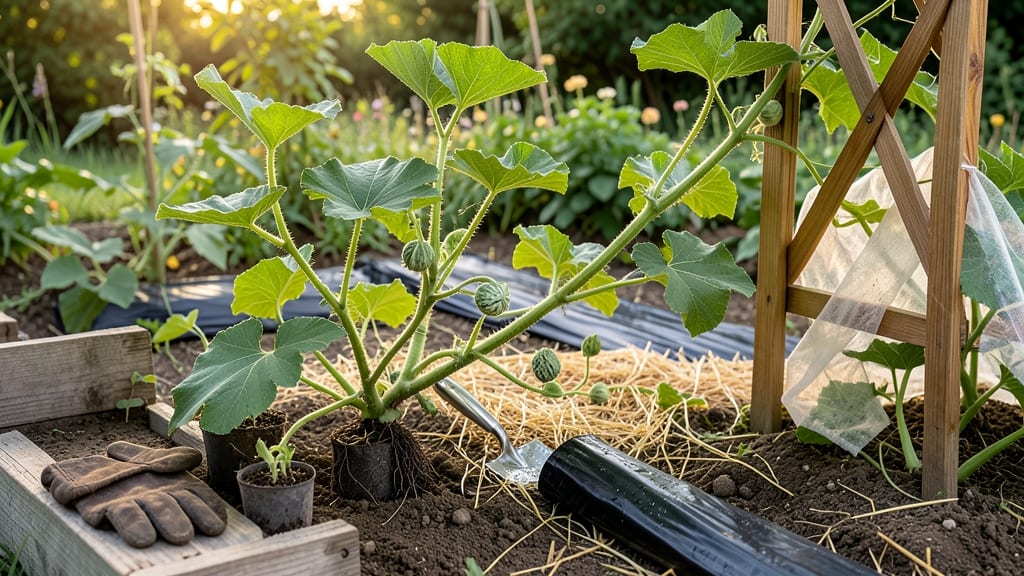
Planting squash in Michigan after your last frost date — typically around May 10-20 — is the key to avoiding frost damage and maximizing your harvest.
Michigan gardeners know timing is everything — plant too early, and frost will ruin your crop; too late, and summer’s heat arrives before harvest. Here’s your precise guide to planting squash in USDA Zone 5 for bumper yields.
Squash thrives when soil temperatures hit 55°F or warmer, which usually aligns with late May in most of the state. Waiting until then ensures strong root development and faster growth, especially for varieties like butternut or acorn squash.
In this guide, you’ll learn the exact window for direct seeding, how to prep soil for optimal drainage, and companion plants that boost squash growth while keeping pests away.
Optimal Michigan squash planting dates by variety (zone 5 guide)
Michigan's USDA Zone 5 climate demands precise timing for squash success. The average last frost date falls between May 10-20, but soil must reach 55°F+ before planting.
Summer squash (zucchini, yellow squash) thrives with early starts, while winter varieties (acorn, butternut) need extended growing seasons. Let's break down the perfect planting windows for each type.
For direct seeding, wait until after the last frost when soil temperatures consistently stay above 60°F. This typically means planting between May 25-June 10 in most of Michigan. Transplants can go in 2-3 weeks earlier if started indoors, but they'll need protection from late frosts.
Understanding these windows prevents wasted effort and ensures a bountiful harvest before first frost (Sept 15-Oct 15).
🌱
| Variety Type | Direct Seeding Window | Transplant Window | Soil Temp Requirement | Days to Harvest |
|---|---|---|---|---|
| Summer Squash (Zucchini, Yellow Squash) | May 25 - June 10 | May 10 - May 25 | 55°F+ | 45-60 days |
| Winter Squash (Acorn, Butternut) | June 1 - June 15 | May 20 - June 1 | 60°F+ | 80-100 days |
| Bush Varieties (Compact Types) | May 30 - June 5 | May 15 - May 30 | 55°F+ | 50-70 days |
| Pumpkins (Large Varieties) | June 1 - June 15 | May 25 - June 1 | 60°F+ | 90-120 days |
Summer squash varieties like zucchini and yellow squash grow fastest, so they can handle earlier planting dates. These 45-60 day varieties benefit from direct seeding after soil warms.
For transplants, start seeds indoors 3-4 weeks before your target outdoor date to give them a head start against Michigan's unpredictable springs.
Winter squash varieties require longer growing seasons, so planting them June 1-15 ensures they mature before frost. Butternut squash and acorn squash need 80-100 days to reach harvest, making late starts risky.
If you're eager for an early harvest, consider bush varieties which mature in 50-70 days and can be planted slightly earlier.
For pumpkins, wait until June 1-15 when soil is consistently warm. These 90-120 day plants need plenty of space and time to develop. If you're growing miniature pumpkins, you can plant them 2 weeks earlier for harvests in 70-80 days.
Always check your specific variety's days-to-maturity when planning.
Michigan's northern climate means some years will be cooler than others. Use a soil thermometer to verify temperatures before planting. If soil stays below 55°F for more than a week, delay planting until conditions improve.
This simple tool prevents wasted effort and ensures your squash gets off to the right start.
🌿
If you're unsure about your exact last frost date, check local weather records or use the Michigan State University Extension frost date calculator. Planting too early risks frost damage to young plants, while waiting too long may mean your squash struggles in mid-summer heat.
For maximum success, aim to have your squash established and growing before July 1.
For gardeners in northern Michigan (Zone 4), extend your season by using row covers or planting in black plastic mulch to warm the soil faster. These techniques can push your planting window 1-2 weeks earlier and protect young plants from late frosts.
Always monitor weather forecasts and be ready to cover plants if frost is predicted.
🪴
5 Critical factors that determine your planting success in Michigan
Michigan’s variable climate demands precision when planting squash. The last average frost date of May 10-20 marks your starting point, but success hinges on five key factors beyond timing. First, soil temperature must reach 55°F or warmer—cold soil stunts growth, even after frost risk passes.
Next, soil pH between 6.0-6.8 ensures nutrient uptake, while companion planting with marigolds or nasturtiums deters pests like squash bugs. Don’t overlook season extension tools—row covers can push harvests into fall, and black plastic mulch warms soil faster in spring.
- 🌡️ Soil Temperature: Wait until soil hits 55°F+ (late May in Michigan). Use a soil thermometer to confirm.
- 🌱 pH Balance: Test and amend soil to 6.0-6.8. Add lime to raise pH or sulfur to lower it.
- 🌿 Companion Plants: Interplant marigolds or nasturtiums to repel pests like squash vine borers.
- ❄️ Frost Protection: Use row covers for early starts or late-season harvests to extend growing windows.
- 💧 Drainage: Squash hates soggy roots—amend heavy clay soil with compost or sand for aeration.
Your planting method also matters: Direct-seeding after frost avoids transplant shock, but starting seeds indoors 2-3 weeks earlier lets you beat heat waves. For bush varieties, space plants 3-4 feet apart, while vining types need 5-6 feet to sprawl.
Finally, monitor weather forecasts for late frosts in May or early heatwaves. If nights stay above 75°F, provide afternoon shade to prevent blossom drop. These factors—soil warmth, pH, companions, protection, and spacing—will turn your Michigan squash patch into a productive powerhouse.
Pro tip: Keep a planting journal to track soil temps, frost dates, and harvest success year over year. Adjust your timing based on what works best for your microclimate—whether you’re in Detroit’s urban gardens or Traverse City’s cooler shores.